During a hatch, few things frustrate fly anglers more than watching trout rise repeatedly without fully committing to dry flies. Fish swirl beneath the surface, noses barely break the film, and perfectly presented dries drift untouched through feeding lanes that should produce strikes.
This is where understanding fishing soft hackles and emergers changes everything.
Trout often feed below the surface during major hatches because emerging insects are easier to capture than fully developed adults. Emergers struggle in the film, drift helplessly in transition, and become trapped between stages. Soft hackles and emerger patterns imitate this exact vulnerability, making them some of the most effective flies for selective trout.
When fish refuse standard dry flies, it rarely means they are not feeding. More often, it means they are targeting insects just below the surface instead of adults floating cleanly on top.
Learning how to recognize that behavior—and respond with the correct presentation—turns frustrating hatch situations into some of the most productive fishing of the season.

Why Trout Key on Emergers and Soft Hackles
Emerging insects are vulnerable in ways fully formed adults are not. Before a mayfly or caddis escapes the surface film, it struggles through multiple transitional stages. Wings remain trapped, movement is limited, and the insect drifts helplessly in the current.
For trout, this creates an easy target.
This is why fishing soft hackles and emergers is often more effective than traditional dry fly fishing during selective feeding windows. Fish conserve energy by targeting insects that cannot escape quickly.
You can usually identify this behavior by watching rise forms carefully. Trout feeding on adults tend to break the surface cleanly and confidently. Fish eating emergers behave differently. Instead of explosive rises, you’ll see subtle sips, boils, flashes beneath the film, or gentle bulges in the water.
These are classic signs of trout sipping emergers.
Many anglers misread this activity and continue fishing high-floating dries that sit too prominently on the surface. Meanwhile, trout continue feeding inches below the fly.
Understanding when trout eat just under the surface is one of the most important skills in technical hatch fishing. Once you recognize these feeding cues, your fly selection becomes far more precise.

Soft hackles excel because they imitate movement and transition rather than exact appearance. Their mobile fibers pulse naturally in the current, suggesting life without needing perfect realism. Emergers accomplish the same goal by representing insects trapped in the film during transformation.
Together, these flies bridge the gap between nymphs and dry flies—exactly where trout often focus during difficult hatches.
To better understand why trout focus so heavily on vulnerable stages, it helps to study the mayfly life cycle and how each stage influences fly selection during a hatch.
Core Soft Hackle and Emerger Patterns
You do not need dozens of patterns to become effective at fishing soft hackles and emergers. A focused selection covering major hatch types and stages is usually enough.
The Partridge & Orange remains one of the most versatile soft hackle flies ever created. Its sparse design and natural movement imitate a wide range of emerging insects, particularly caddis and small mayflies. It performs especially well in riffles, broken seams, and moderate current, where movement enhances its lifelike appearance.

The RS2 is another essential emerger pattern. Originally designed to imitate Blue Winged Olive emergers, it now serves as one of the most dependable transitional flies for PMDs, BWOs, and other mayflies. Its slim profile and subtle presentation make it highly effective in flats, tailouts, and slow seams where trout feed selectively.
Soft hackle PMD patterns shine during pale mayfly hatches, particularly when fish refuse traditional dries. These flies imitate ascending insects and cripples trapped in the surface film. They are especially productive during prolonged afternoon PMD activity in softer water.

For caddis hatches, sparse soft hackle caddis patterns excel during both emergence and egg-laying periods. Their movement creates the illusion of active insects swimming toward the surface.
The key is choosing flies based on behavior rather than appearance alone. During many hatches, trout are not focused on exact imitation—they are focused on vulnerable movement.
That is why soft hackles remain so effective across multiple insect types and water conditions.

Three Primary Presentation Styles
Success with fishing soft hackles and emergers depends as much on presentation as fly selection. These flies are designed to imitate transitional movement, which means how they move through the water matters enormously.
The three most effective approaches are dead-drifting, swinging, and lifting.
Dead-Drifted Emergers in the Film
Dead-drifting emergers is one of the most effective techniques for selective trout feeding just below the surface.
In this approach, the goal is realism. The fly should drift naturally within or just beneath the film, exactly like a struggling insect unable to break free.
A common setup involves fishing an emerger behind a small dry fly or subtle indicator. The dry acts as both flotation and strike detection while allowing the emerger to suspend naturally below the surface.

This method works especially well during PMD and BWO hatches when trout feed calmly in soft seams or tailouts.
Leader length and tippet diameter become critical here. Long leaders and fine tippet allow the emerger to drift naturally without micro-drag. Any unnatural movement immediately reduces effectiveness during technical feeding situations.
Watching trout behavior helps determine depth. If fish are bulging beneath the surface but not fully rising, positioning the emerger slightly deeper often solves the problem.
Dead-drift presentations require patience and observation, but they consistently fool fish that refuse standard dry flies.

Swinging Soft Hackles Through the Column
Swinging soft hackles is one of the oldest and most effective methods in fly fishing.
Unlike dead-drifting, this presentation intentionally introduces movement. After the cast, the fly drifts downstream and across current until tension gradually causes it to swing through the water column.
This motion imitates emerging insects rising naturally toward the surface. The downstream-and-across presentation works especially well during caddis hatches and active emergence periods when insects swim aggressively upward.
As the swing tightens, soft hackle fibers pulse and breathe in the current, creating lifelike motion trout find difficult to resist.
One of the most effective additions is the lift at the end of the swing. As the fly finishes drifting below you, slowly raising the rod tip causes the fly to rise upward through the column like an emerging insect attempting to escape.
This subtle movement often triggers violent takes from trout following the fly. Many anglers overlook this stage and strip the fly in too quickly. In reality, some of the best strikes happen during the final lift.
Swinging soft hackles during hatch periods allows you to cover water efficiently while presenting movement trout instinctively recognize.

Lifted Emerger Presentation
The lifted emerger presentation combines elements of both dead-drift and swing techniques. The drift begins naturally, allowing the emerger to move downstream with minimal tension. Near the end of the drift, instead of immediately recasting, the angler gradually raises the rod tip.
This lifts the fly slowly toward the surface. The movement perfectly imitates an insect ascending during emergence, particularly mayflies transitioning through the film.
This presentation excels when trout refuse static flies but still hesitate to commit fully to dries. The lift should remain subtle. Aggressive motion creates unnatural speed and destroys realism. A slow, controlled rise appears far more convincing.
This technique works particularly well in moderate seams, tailouts, and soft transitional water where trout have time to inspect insects carefully.
Many difficult fish that ignore dead-drifted dries react immediately to a properly lifted emerger.

When to Choose Soft Hackle vs Dry vs Nymph
One of the biggest challenges during hatch fishing is choosing the correct stage to imitate. The answer usually depends on trout behavior rather than insect visibility.
When trout fully break the surface with confident rises, dry flies become the obvious choice. Fish are clearly targeting adults, and presentation becomes the primary concern. Having the right early season dry fly patterns gives you a better chance of matching what fish are actually eating.

When trout create subtle boils, flashes, or bulges beneath the surface, emergers and soft hackles are usually the better option. These fish are feeding below the film rather than on top of it.
When there is little visible activity but insects are present, nymphs often remain the most productive choice. Trout frequently feed subsurface long before obvious rises begin. A simple rule helps simplify the decision process:
If trout are splashing aggressively, fish dries. If trout are sipping softly or flashing below the surface, fish emergers or soft hackles. If no rises appear but insects are active, fish nymphs.
Understanding these transitions is one of the foundations of effective fishing soft hackles and emergers. Instead of stubbornly committing to one style, successful anglers adapt continuously as trout behavior changes.

Reading Water for Emerger Fishing
Water type matters just as much as fly selection. Soft seams, tailouts, and transition lanes are prime locations for emerger fishing because insects naturally collect there during emergence.
PMD and BWO emergers perform especially well in slower water where trout have time to inspect insects carefully.
Caddis soft hackles excel in riffles and broken seams where movement and turbulence create more aggressive feeding behavior. Watching the current carefully helps identify ideal lanes. Foam lines, subtle current edges, and soft transitions often concentrate drifting insects.
Trout feeding on emergers rarely hold randomly. They position themselves where vulnerable insects naturally collect. Understanding these feeding lanes dramatically improves presentation accuracy.

Adjusting Tactics During Difficult Hatches
Some hatch situations become extremely technical, particularly on pressured rivers. During these conditions, downsizing flies, lengthening leaders, and reducing drag become increasingly important.
Micro-drag ruins more emerger presentations than incorrect fly selection. Even slight unnatural movement alerts selective trout. This is why subtle mends, careful rod positioning, and controlled slack management matter so much during emerger fishing.
Sometimes the smallest adjustment makes the biggest difference. Changing from a high-floating dry to a low-riding emerger often transforms refusals into confident eats almost immediately.
Building Confidence Below the Surface
Many anglers become overly focused on visible rises during hatch periods. But trout often feed most confidently below the surface film. Learning to trust soft hackles and emergers expands your ability to respond to difficult feeding behavior instead of fighting against it.
Once you begin recognizing subtle rise forms and understanding transitional feeding stages, your success rate during technical hatches improves dramatically.
This is especially true during overlapping hatches, selective PMD feeding, and pressured water conditions where trout become cautious.
If you have already refined your approach through Peak Hatch Game Plan: PMDs, Caddis, Stones, this next step helps bridge the gap between surface and subsurface feeding behavior.
If you’re still dialing in your timing during major hatch windows, this guide on matching the hatch during PMD, caddis, and stonefly activity will help you understand when trout shift from general feeding to more selective behavior.
It also connects naturally into systems explored in From Nymph to Dry: When to Switch on the Water, where timing and transition become even more important.

Gear That Keeps You Ready During Difficult Hatches
Selective trout demand flexibility. Having patterns that cover transitional stages allows you to respond immediately instead of constantly rebuilding your rig.
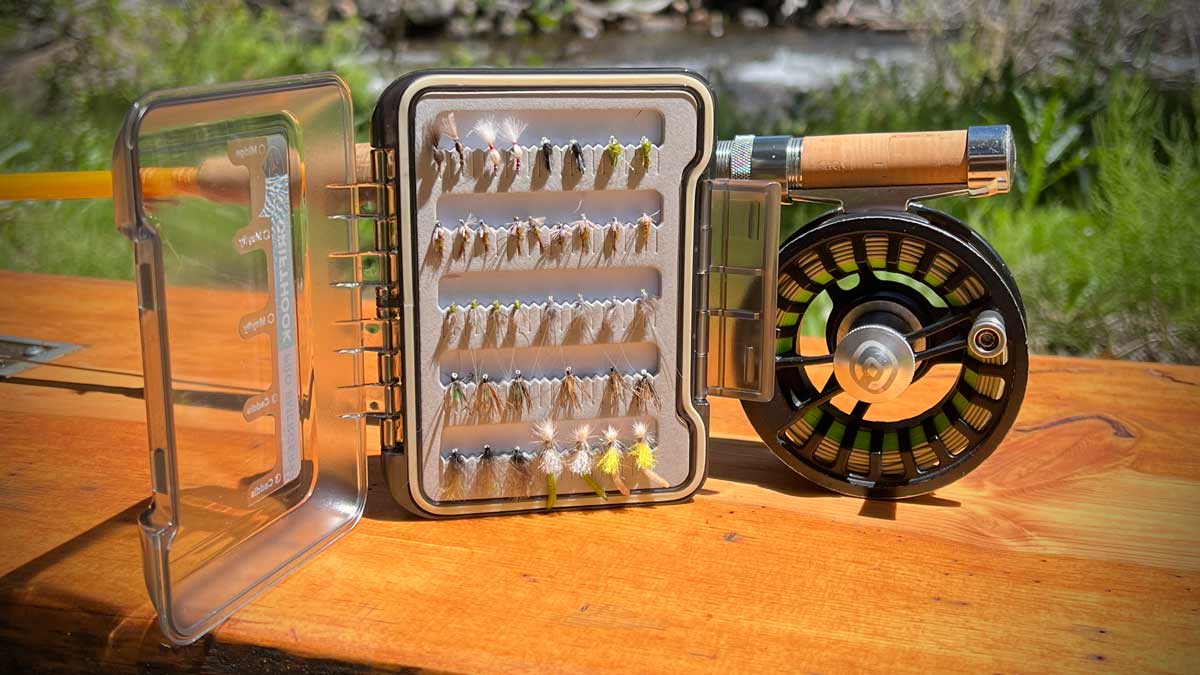
When trout won’t fully commit to dries, Drifthook’s Emerger and Mayfly Kits keep you in the game just below the surface.
A focused emerger system helps simplify difficult decisions and keeps you prepared for changing hatch behavior throughout the day.
Fish the Transition, Not Just the Surface
The most challenging trout are rarely feeding fully on top. They feed in transition—between nymph and adult, between subsurface and surface, between confidence and hesitation.
That is exactly where soft hackles and emergers excel.
Mastering fishing soft hackles and emergers means learning to recognize subtle feeding behavior, match vulnerable insect stages, and present flies naturally through the water column.
When you do, difficult risers stop feeling impossible.
And some of the most frustrating hatch situations of the season become your greatest advantage.

About the Author
This guide was written by Matthew Bernhardt, a Colorado-based angler with over 35 years of experience fishing Western rivers, including the Colorado, Arkansas, and Blue River. He is the founder and owner of Drifthook Fly Fishing, which he has operated since 2015.
Matthew specializes in trout rigging systems, leader construction, and technical nymphing presentations. Over decades of fishing high-altitude tailwaters and freestone rivers, he has field-tested dozens of leader and tippet configurations across varying water clarity, flow rates, and seasonal conditions.
His focus is helping anglers build efficient, reliable fly fishing systems so they spend less time adjusting gear and more time fishing effectively.