

September is one of the best months to fly fish for trout. Cooler nights begin dropping water temperatures, summer crowds start thinning out, and trout become more active as fall approaches.
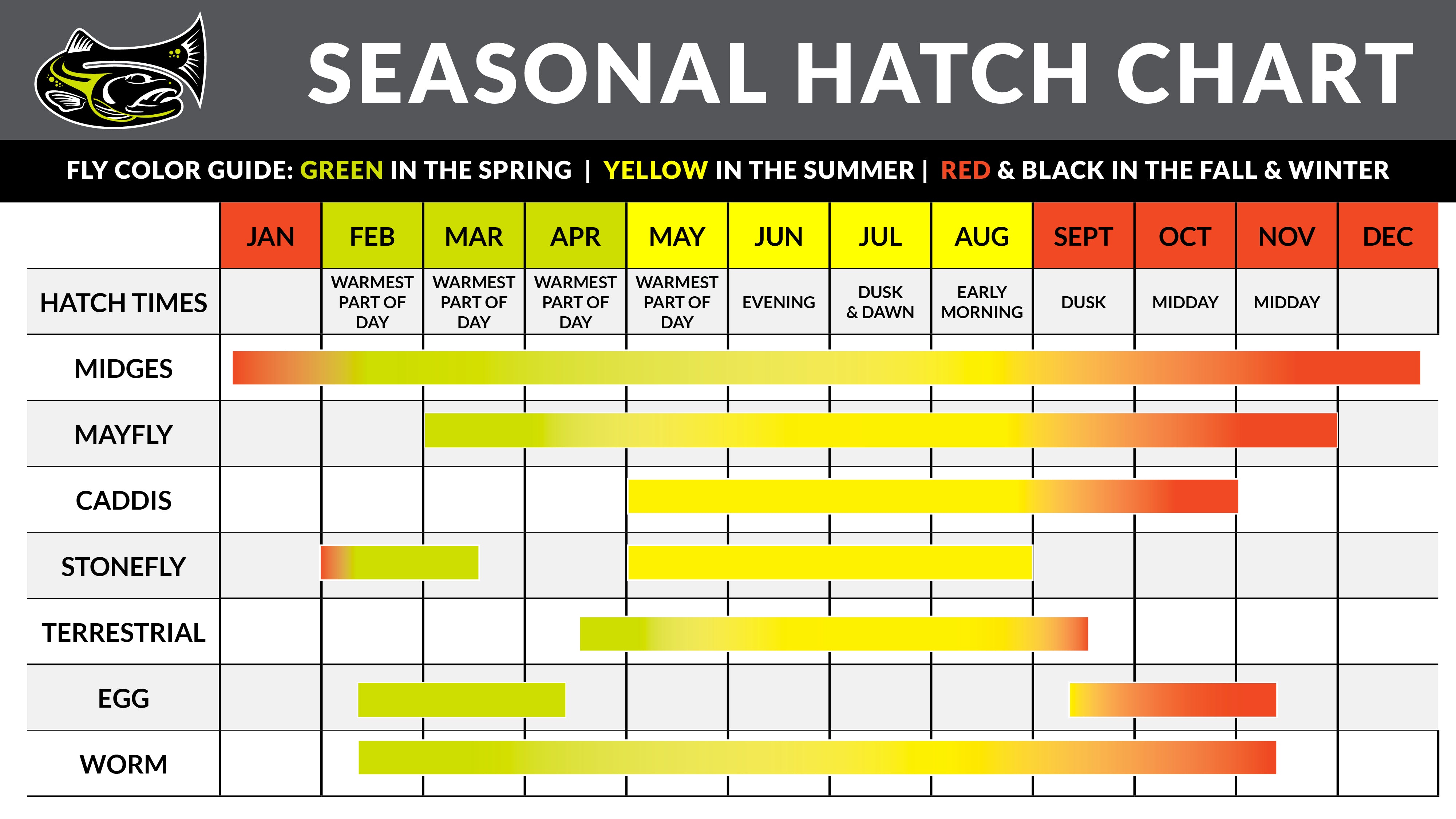
The best trout flies for September cover both sides of this seasonal transition. Hoppers, caddis, and other terrestrials can still produce during warmer afternoons, while Blue Winged Olives, midges, nymphs, and emergers become increasingly important as temperatures cool.
Below are 15 of the best trout flies for September 2026, along with when and how to fish them.
If you are fishing the first part of the month, many of the same patterns from our best trout flies for August will still produce, especially hoppers, caddis, and other terrestrials. As September progresses, cooler nights begin shifting the focus toward smaller mayflies, midges, and nymphs.

We'll look at these flies in more detail in a moment, but for your reference, the 15 best trout flies for September:
- Fat Albert - Purple
- Chubby Chernobyl
- Dave’s Hopper
- Adams
- Parachute Mahogany Dun
- Royal Wulff
- Hot Wing Caddis
- Parachute Adams
- Comparadun PMD
- CDC Midge Pupa - Red
- Crystal Midge
- CDC Caddis Emerger
- Sparkle Worm
- Glo Bug Red Dot - Orange
- Formally Known as Prince
The right fly can change throughout the day depending on water temperature, weather, hatch activity, and where trout are feeding in the water column. If you want a deeper breakdown of how different patterns imitate trout food, check out our Ultimate Guide to Fly Fishing Flies. Otherwise, let's look at each of these September patterns and when to fish them.
What Flies Should You Use for Trout in September?
September is a transition month, so your fly selection should change with the conditions.
Early in the month, continue fishing hoppers, caddis, and attractor dries along grassy banks and during warmer afternoons. As nights cool and fall weather moves in, start paying more attention to Blue Winged Olives, midges, emergers, and smaller nymphs.
On cloudy or cooler days, mayfly activity can increase considerably. If trout are not looking up, try a small nymph or emerger below the surface before changing patterns completely. The key is not treating September like either summer or fall. Carry flies that cover both.
HOPPERS
First up, we have three hoppers to choose between. These flies are known as essential flies for late summer evenings, which is why they continue to be useful throughout September.

Fat Albert - Purple
Long regarded as one of the best hoppers around, Fat Albert Purple flies are still a must-consider if you are looking for new flies for trout this September. The purple color helps make these flies all the more visible and attractive to the trout, and it's meant to imitate full-bodied bugs very effectively, so it's excellent all-round. They are also relatively easy to tie up, so they are suitable for beginners and more advanced anglers.

Chubby Chernobyl
This popular attractor pattern is one of the favorite options throughout summer, into late summer in September, and it should be considered as highly as the purple Fat Albert. It is designed to imitate golden flies and other hoppers, and it comes in a variety of sizes and colors to use in various settings. It is also incredibly robust, wind-resistant, and quite a bit heavier than many others, keeping it on the line much more readily.

Dave’s Hopper
If you are after a fly that will fool pretty much any trout at any time, then Dave's Hopper is an absolute must-have in your box. Many people swear by Dave's Hopper, and with good reason, so it's something that you are going to want to consider for this time of the year. It is made from very tightly bound deer hair, which means that it is also one of the most buoyant flies you can buy. It also tends to have a perfect searching pattern, making it just an excellent all-around option for September, even too late in the month.

LARGE DRY FLIES
Large dry flies can still be extremely effective in September, particularly during warmer afternoons when terrestrials and larger insects remain active. They are also useful as searching patterns when trout are willing to look up. If you are newer to fishing dries, our guide to dry fly fishing for trout covers presentation, rigging, and how to recognize a good dry fly opportunity.

Adams
This option has been in existence for almost 90 years, and it is regarded as a classic fly for trout fishing - one that you at least need to try out once in your life, if not more often. Because of its grey body and brown hackles simultaneously resemble a few different American and large European flies. It is versatile, suitable all year round, more or less, and beneficial for the beginner. It's a must this late summer and early Autumn, as at many other times of the year.
Parachute Mahogany Dun
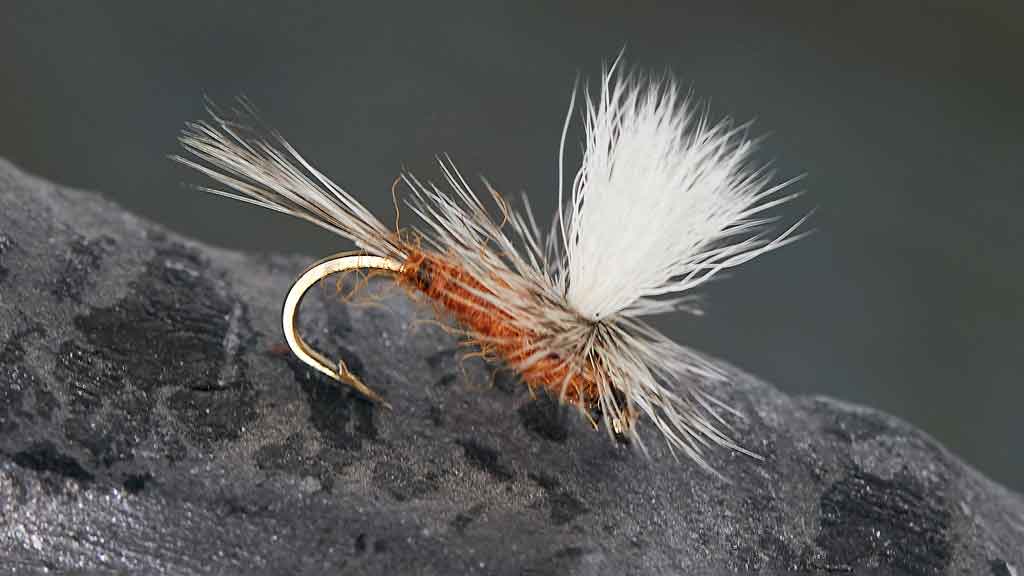
When you want to reach out to some rising trout this September, you will want to have some parachute mahogany duns in your arsenal. It is incredible how realistic these look, and they also tend to be one of the more visible options for the angler himself, which makes life a lot easier as the sun starts to fade on those long September evenings. If you stock up on these now, they will take you through to the end of September and perhaps even into October, if you are lucky.

Royal Wulff
As September moves on and you start trying to get more and more trout in, you will find that you are working with decreasing light levels. Because of this, it, therefore, becomes imperative that you have flies that are going to be easy to see in low light. The Royal Wulff fits in with that goal, with its bright red silk body and peacock-like colors. This gets the trout interested, as well, so it's a great choice in overfished areas where the trout have gotten wise to the fishermen.
SMALL DRY FLIES
If you want the benefits of the bigger dry flies, but you also want to have a little extra control, then the small dry flies could be for you. In truth, they will serve a different purpose, so you should make sure that you have some available as you get into and through this next month.

Hot Wing Caddis
This is an ever-popular option that you are going to want to consider. Traditionally made from elk hair, the caddis now often also comes with an extra bit of high-vis yarn to make it that little easier to see. For this reason and many others, it is a very useful one to have for those shortening September evenings. It is often extremely well tied, too, so you don't have to worry about losing it, even if you are at it for hours and hours.

Parachute Adams
As you have seen already, the theme when it comes to September flies is very much for easy visibility and trackability. For that reason, another fly to consider is the well-loved and adored Parachute Adams, which is easy to track in a wide range of conditions and is ideal for fishing in low light in the evenings, and it's perfect for when things get cooler, too.

Comparadun PMD
This perfectly combines a very lifelike and believable silhouette, high visibility, and some fantastic buoyancy. Many anglers like to go straight for the Camparadum at any time of year, and it is just as good in September as any other time, and it's one to consider, anyway.
EMERGERS
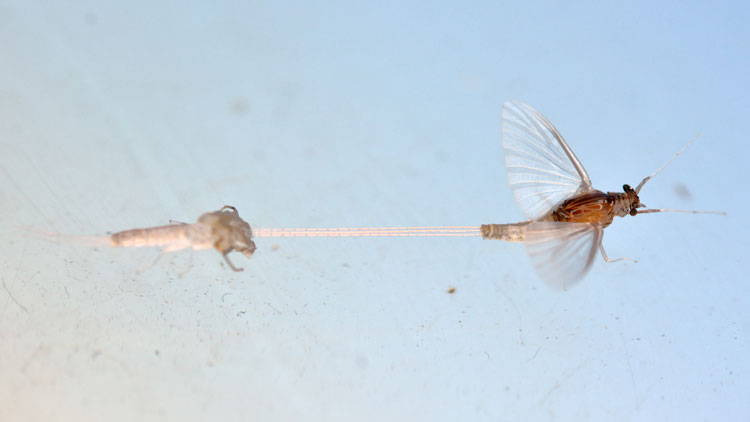
Emerger flies differ from other types in that they are designed to look as though they are genuinely hatching out of the water. They come in a wide range of guises, including the following three favorites.

CDC Midge Pupa - Red
This has proven itself to be a very useful option under a range of different conditions, and it is often relied upon when no other option seems to be working all that well. You should make sure that you have some CDC Midge Pupa in your arsenal, especially the vibrant and visible red variety, at this time of year in particular.

Crystal Midge
The Crystal Midge, as the Midge Pupa above, is a reliable fly and one that you are going to find very useful to have on you, even if you only use it occasionally when nothing else is working. It's terrific if you are fly fishing on water that gets a lot of pressure, whether in a river or still waters.

CDC Caddis Emerger
Our last emerger on the list is this all-around wonder: an excellent pattern for tough trout who won't be easily fooled. Emerging Caddis can be detected by trout hitting the surface with extra effort as the emergent stage for caddis happens very fast.
Don't Forget Blue Winged Olives
Blue Winged Olives become increasingly important as September progresses and water temperatures begin to fall. Cloudy, cooler days can produce some of the best BWO activity of the early fall season.
Carry BWO dries, emergers, and small mayfly nymphs in roughly sizes 18–22. If you see consistent rises but larger dry flies are being ignored, downsizing to a small BWO pattern can make a big difference.

NYMPHS
Finally, we have the nymphs. These three will round off your fly box nicely for the month.
Sparkle Worm
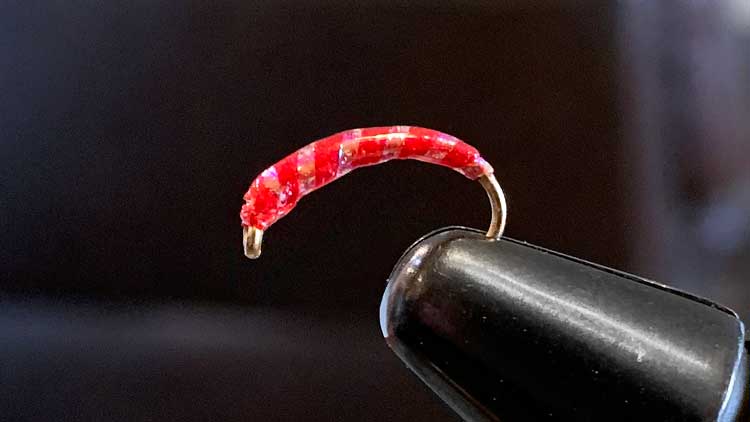
Worm patterns become especially useful when September rain bumps flows or adds some color to the water. Fish the Sparkle Worm below an indicator or as the heavier fly in a multi-fly nymph rig. Red, pink, and natural worm colors can all be effective depending on water clarity.

Glo Bug Red Dot - Orange
Arguably one of the strangest looking of all the flies, it is still one of the best and proves extremely attractive to all kinds of trout in many different settings. So wherever you are planning to fish, have one of these handy with you at all times.

Formally Known As Prince
The Fly Formerly Known As Prince has a truly distinctive look and an exceptionally modern pattern. The original Prince Nymph will seem outdated and ordinary once you have started using this one. All in all, you'll be glad to have tried this one out.

About the Author
This guide was written by Matthew Bernhardt, a Colorado-based angler with more than 35 years of experience fly fishing Western rivers. He is the founder and owner of Drifthook Fly Fishing, which he has operated since 2015.
Matthew focuses on helping anglers better understand trout behavior, seasonal hatches, and fly selection so they can make more confident decisions on the water.
1 comment
Frederick Thurber
How about ant and beetle patterns for September? Soft-hackle wets?
How about ant and beetle patterns for September? Soft-hackle wets?