

Winter strips the river down to its essentials. The crowds thin out, the banks crunch beneath frozen boots, and every breath lingers a little longer in the cold air. This is the season when fly fishing slows to a deliberate pace—and when winter nymphing trout becomes less about numbers and more about understanding. Understanding the fish. Understanding the water. Understanding yourself.
Winter trout fishing offers a unique blend of challenges and rewards, as cold weather and icy conditions test both your skills and your resolve. The presence of snow along the riverbanks and freezing temperatures creates a stark, beautiful environment that shapes both trout behavior and the angler’s experience.

At Drifthook, we believe fly fishing isn’t just a sport; it’s a connection to nature. Nowhere is that connection more honest than in winter. Trout are still there, holding tight to the riverbed, conserving energy, waiting for short feeding windows that reward patience and precision. If you’re willing to meet the river on its terms, winter delivers some of the most technical—and quietly satisfying—fly fishing of the year.
This guide walks through how trout behave in cold water, where they hold, and how to present flies effectively when every drift matters. Whether you’re new to fly fishing in winter or refining a cold-season approach, we’ll simplify the complex and help you step into frozen flows with confidence.
How Cold Water Affects Trout Behavior
As water temperatures drop into the high 30s and low 40s—roughly 38°–45°F—everything slows down for trout. Cold water dramatically reduces their metabolism. They burn fewer calories, digest food more slowly, and move only when the reward outweighs the effort. During winter, trout have little energy to spare, so they are less likely to move unless necessary. Winter trout behavior is built on efficiency.

Think of trout like woodstoves in January. The fire is still burning, but the damper is closed. Every movement costs energy, so trout position themselves where food drifts by naturally, without forcing them to chase. Oxygen levels remain high in cold water, which means trout no longer need fast riffles for respiration. Instead, they settle into softer currents, deeper water, and stable holding zones.
Unlike many other fish that become inactive in winter, trout remain active due to these other conditions—such as cold, oxygen-rich water, water depth, and food availability—which influence their behavior and location.
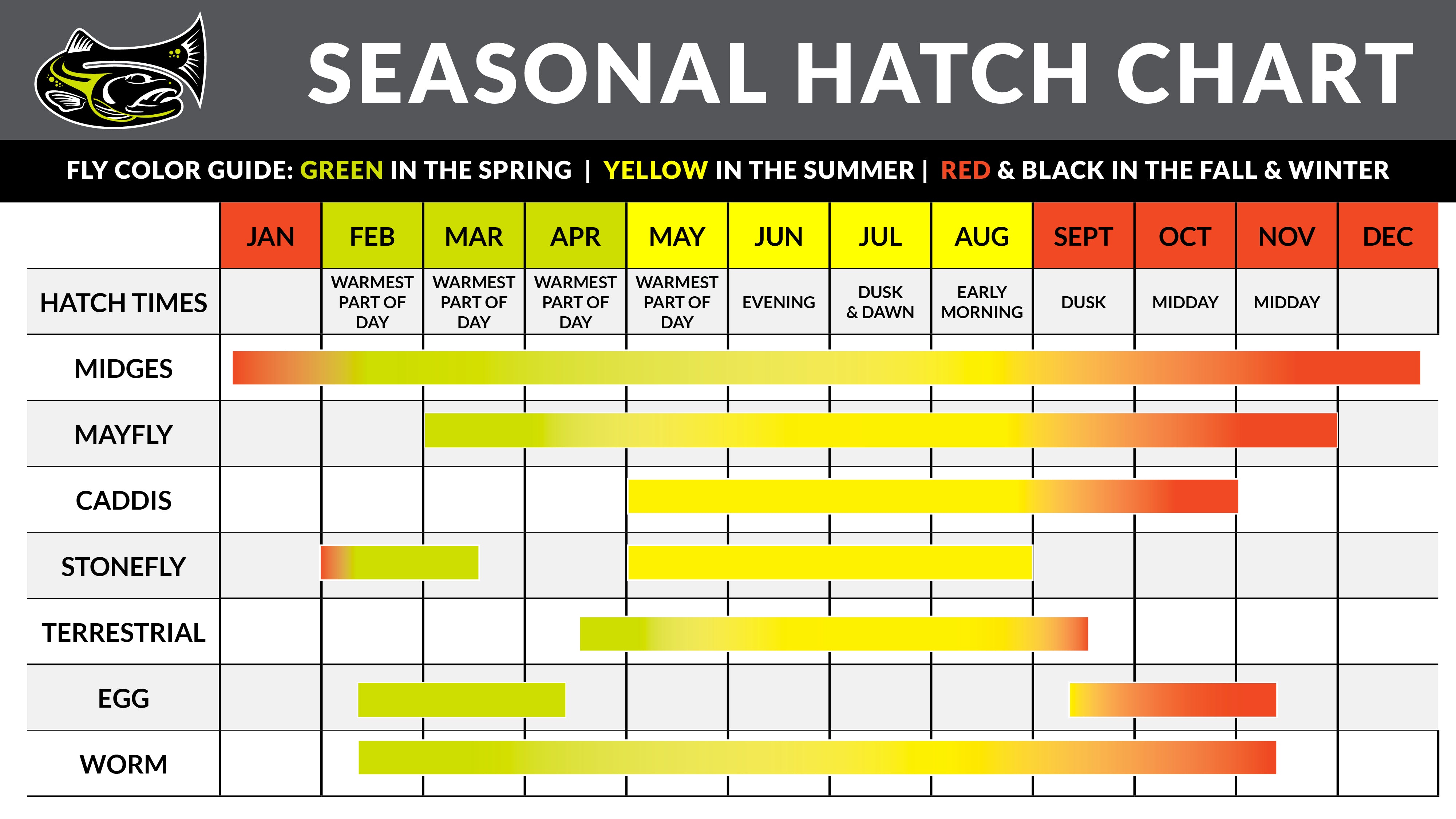
Feeding windows grow shorter, but they never fully disappear. Midges hatch year-round. Eggs drift well after spawning seasons. Nymphs dislodge during subtle changes in flow. Trout may only feed aggressively for minutes at a time, but when they do, they eat with quiet intention.
That’s why winter nymphing trout isn’t about covering miles of water. It’s about fishing the right water thoroughly. You’re not searching for active fish everywhere—you’re pinpointing where trout already live and delivering your fly directly into their lane.
Key takeaway: In winter, trout don’t chase. Your fly has to come to them, at their speed, in their space.
Finding Winter Holding Water
Finding trout in cold rivers begins with letting go of summer habits. Fast riffles, shallow runs, and aggressive seams that shine in warm months often go silent once temperatures drop. Winter trout retreat to water that offers three essentials: depth, shelter, and slow current. Trout often seek shelter near rocks and other structures in the stream during winter, using these features for protection and to conserve energy.
Anglers should also pay attention to the shore and stream edges, where trout may hold in winter.
Prime Winter Holding Zones

Deep Pools
Deep pools become winter real estate. They insulate trout from cold air temperatures and protect them from surface ice. Deep water in these pools provides stable temperatures and sufficient oxygen, making them ideal winter habitat for trout. Focus on the lower half of pools where the current slows and the depth increases. This is where trout often stack, resting just inches off the bottom.

Tailouts
The downstream end of a pool—the tailout—can be a winter goldmine. It provides a gentle transition from deep to shallow water, with soft seams that deliver food without demanding movement. During brief feeding windows, trout slide into these lanes with purpose. Don’t overlook the head of the pool or river, as trout may also hold in these upstream sections, especially during periods of increased flow.
Inside Bends
On river bends, the inside curve typically features slower water and deeper shelves. These soft seams are classic cold water trout holding spots, especially when paired with structure like boulders, ledges, or submerged wood.
Careful wading is essential to safely access these prime winter holding zones and to reach the best positions for effective winter nymphing trout.
Resting Lies vs. Feeding Lies
In winter, trout often separate their resting lies from their feeding lies—sometimes by only a foot or two. A resting lie is where a trout spends most of the day conserving energy in the slowest water available. A feeding lie is a nearby seam or current edge where food occasionally drifts past.

Your job is to identify both.
If you’re drifting flies through water that looks perfect but never produces, you may be passing over resting fish that simply aren’t willing to move. Slow your drift, add depth, and tighten your presentation. Often, that subtle adjustment is enough to unlock the take. Using a light leader can make your presentation more subtle and less detectable, increasing your chances of a successful catch in cold, clear winter water.
Quick actionable tip: If you’re not occasionally ticking bottom, you’re probably fishing too shallow for winter trout.
Find trout even in frozen flows—Drifthook’s Euro Nymph Assortment keeps your line tight all winter long.
Depth & Drift: Presentation in Cold Flows
In winter nymphing trout, presentation matters more than pattern choice. The way you present your bait and the size of your hook can make a significant difference in enticing sluggish winter trout. Fly selection helps—but depth and drift decide everything. In cold water, trout rarely move more than a few inches to eat. Your fly must drift at their level and at their pace, without drag. A well-timed throw or cast is essential for getting your fly into the right zone. This is the season to slow down and truly learn cold-water presentations that emphasize control, contact, and patience over distance or speed.

Slow, Bottom-Hugging Drifts
Winter nymphing is about getting down quickly and staying down consistently. Use enough weight to reach the riverbed early in the drift, then maintain steady contact as your flies move through the zone. Using the right fly rod helps you maintain control and sensitivity during these slow, bottom-hugging drifts. Picture a leaf tumbling naturally along the bottom—not bouncing wildly, not hovering unnaturally.
False casting should be minimal. Cold fingers, iced guides, and numb hands demand efficiency. One clean cast, a controlled drift, and a deliberate reset become the rhythm of fly fishing in winter, so always be ready for a subtle hit or take during the drift.
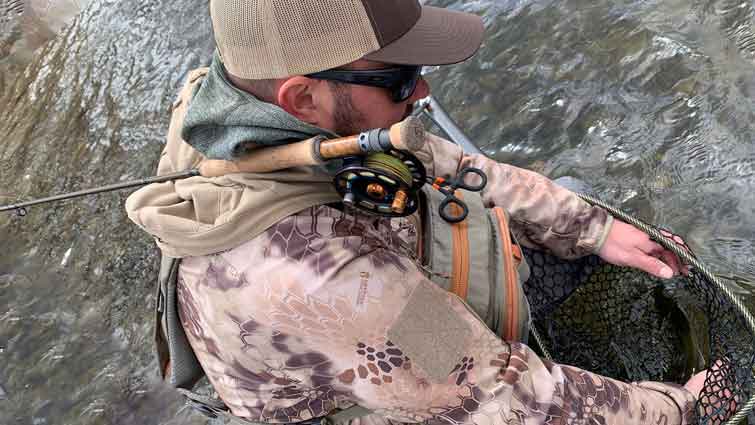
Euro-Style Control for Precision
Euro-style nymphing excels in winter because it offers unmatched sensitivity and depth control. Many anglers prefer Euro-style nymphing during the colder months to increase their chances of catching trout, as this method allows for precise presentations in challenging winter conditions. Tight-line techniques remove slack, allowing you to feel subtle takes that would never move an indicator.
Keep your rod high, lead the flies downstream, and adjust your angle to maintain light tension without pulling. The goal isn’t to drag flies—it’s to stay connected while they drift naturally through the strike zone.
Indicators still work, especially in deeper pools, but downsizing your indicator and slowing your drift often makes a noticeable difference. Watch closely for hesitation rather than movement. Winter strikes are whispers, not shouts.
Slow current trout fishing tip: Mend less and lead more. Excessive mending can lift flies out of the zone.
Fly Patterns for Frozen Conditions
Winter fly boxes don’t need to be large—but they do need to be intentional. In icy water, trout focus on small, calorie-efficient food sources they recognize and trust.
Some anglers also opt for big streamers to offer trout a big meal during winter, targeting larger fish that may be enticed by a substantial food source. On rare occasions, a well-presented dry fly can also tempt winter trout, especially when midges or BWOs are hatching.
Proven Winter Patterns

Midges: Midges are the backbone of winter nymphing trout. Sizes 18–24 are common. Zebra midges, thread midges, and simple larva patterns in black, red, or olive produce consistently throughout the coldest months. When you notice trout rising, especially during midge or Blue-Winged Olive hatches, try winter dry flies like small BWOs or midge patterns to target those surface-feeding fish.

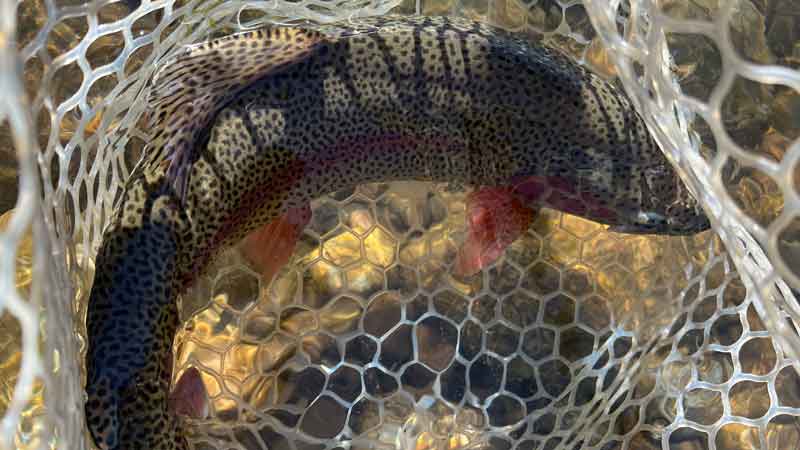
Egg Patterns: Eggs remain effective long after spawning seasons end. Fished alone or paired with a midge, they’re especially deadly in tailouts and deeper pools where trout feed opportunistically. Rainbow trout, in particular, respond well to egg patterns during winter, making them a reliable choice when targeting this species.

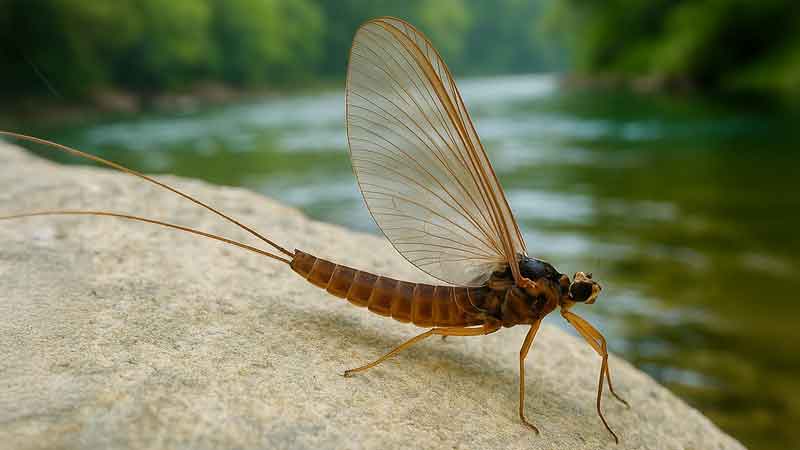
Micro Mayfly Nymphs: Small pheasant tails, perdigons, and other micro mayfly imitations in muted tones match the nymphs trout see drifting year-round.
Color & Visibility
Cold, clear water demands subtlety—but visibility still matters. Dark patterns create strong silhouettes, while metallic beads in copper, gold, or black nickel add just enough flash to draw attention without spooking fish. On cloudy days, when light penetration is reduced, switching to a fly with more contrast or a brighter bead can help trigger a bite by making your presentation stand out and enticing trout to feed.
Quick actionable tip: If trout are present but refusing, change bead color before switching patterns entirely.
When winter exposes flaws in your setup—missed takes, poor depth control, or flies that don’t track right—it’s often a sign to upgrade your winter rig.
Find trout even in frozen flows—Drifthook’s Euro Nymph Assortment keeps your line tight all winter long.
Adjusting Tactics as Water Warms Midday
Winter mornings often begin locked in ice, with trout glued to deep, slow water where energy loss is minimal. But as sunlight reaches the river and water temperatures climb—even by a single degree—everything starts to shift. This is one of the most important moments in winter nymphing trout, when fish briefly trade security for opportunity. As conditions change, trout may move into open water or areas where stocked trout are present, especially in rivers, streams, and lakes that receive winter stockings.
As the sun warms the river, trout often move out of deep resting lies and slide into shallower seams, especially those that receive direct sunlight. These areas warm faster and carry a slightly increased flow of drifting food, making them worth the effort during short feeding windows. You’re not looking for fast water—just faster than before.
Focus on transitional zones where depth decreases gradually, and current speed remains manageable. Soft riffle edges below pools, shallow tailouts with sun exposure, and gentle runs over darker substrate all become prime targets. These spots may only produce for a short period, but when they do, the action can feel sudden and decisive.
This is the window to adjust your approach. Shorten your drifts, reduce weight if needed, and probe water you may have ignored earlier in the day. Don’t abandon deeper holding water entirely—but expand your search as conditions change. The best winter fly fishing water types often evolve hour by hour, and targeting stocked trout in open water near shoreline banks or structure can be especially productive as they move into these areas.
Finding trout in cold rivers Tip: Fishing improves as shadows shorten. Plan your day around midday warmth whenever possible—midday activity can sometimes resemble summer fishing, with trout becoming more active and willing to feed as water temperatures peak.
Winter Teaches Us to Slow Down
Winter nymphing trout isn’t about overpowering the river. It’s about listening. About matching your pace to the season and trusting small, intentional adjustments. The river teaches patience—every drift tells a story, even the ones that come up empty. Fishermen who embrace the challenges of the winter months gain valuable experience that benefits their fishing throughout the year.
At Drifthook, we believe winter fly fishing—and winter fishing in general—builds more than technical skill. It builds confidence. When you learn how to locate trout in winter, read cold water, and present with intention, those lessons carry forward into every season that follows.
Standing alone in frozen flows, fingers numb and breath steady, you realize something simple and true: fly fishing was never meant to be rushed. And in winter, the river gives that truth back—one quiet take at a time.

Additional Tips for Winter Nymphing Success
- Layer for warmth and mobility: Dressing in thin, moisture-wicking layers allows you to stay nimble for precise casts. Cold fingers ruin even the most perfect drift.
- Scout your water before fishing: Observing ice lines, mid-channel pools, and subtle seams before setting up improves slow current trout fishing tips.
- Rotate flies often: Trout have selective feeding windows, and small changes in fly size, color, or bead material can trigger strikes.
- Keep a log: Track water temperature, weather, and fish activity. Over time, you’ll know where trout hide in cold water even before stepping on the bank.
- Patience is a strategy: Sometimes doing less yields more. One precise drift in the right spot is better than ten blind casts elsewhere.
- Enjoy the fresh air: Winter trout fishing is a great way to get outside and enjoy the fresh air, which can boost your mood and provide a refreshing mental break during the colder months.
Find trout even in frozen flows—Drifthook’s Guide Nymph Assortment keeps your line tight all winter long. Upgrade your winter rig today and step onto the river with confidence!

About the Author
Matthew Bernhardt is a third-generation Coloradan and two-time Master Angler Award winner who grew up immersed in Colorado’s fly-fishing culture, learning on the water alongside experienced guides and lifelong anglers.
Blending real-world fishing experience with insights from seasoned anglers—and a fine arts degree from Colorado State University—Matthew spent five years developing the Drifthook Fly Fishing System, a proven approach designed to help anglers catch more trout with confidence.
When he’s not with his family, you’ll find him on the water chasing MONSTER trout and counting down the days until his kids are old enough to join him riverside.
1 comment
Shannon Helton
I can not begin to tell you how invaluable these news letters are to an avid fly fishing rookie like me. Thank you so much for this information that skews me to see the river and fish habits through out the seasons! I seriously can’t thank you enough!! It’s not easy breaking into already existing fishing buddy circles as a female wanting to learn. I fish a lot by myself so this info is so vital for my understanding while learning on my own ~ thank you again!!
I can not begin to tell you how invaluable these news letters are to an avid fly fishing rookie like me. Thank you so much for this information that skews me to see the river and fish habits through out the seasons! I seriously can’t thank you enough!! It’s not easy breaking into already existing fishing buddy circles as a female wanting to learn. I fish a lot by myself so this info is so vital for my understanding while learning on my own ~ thank you again!!