
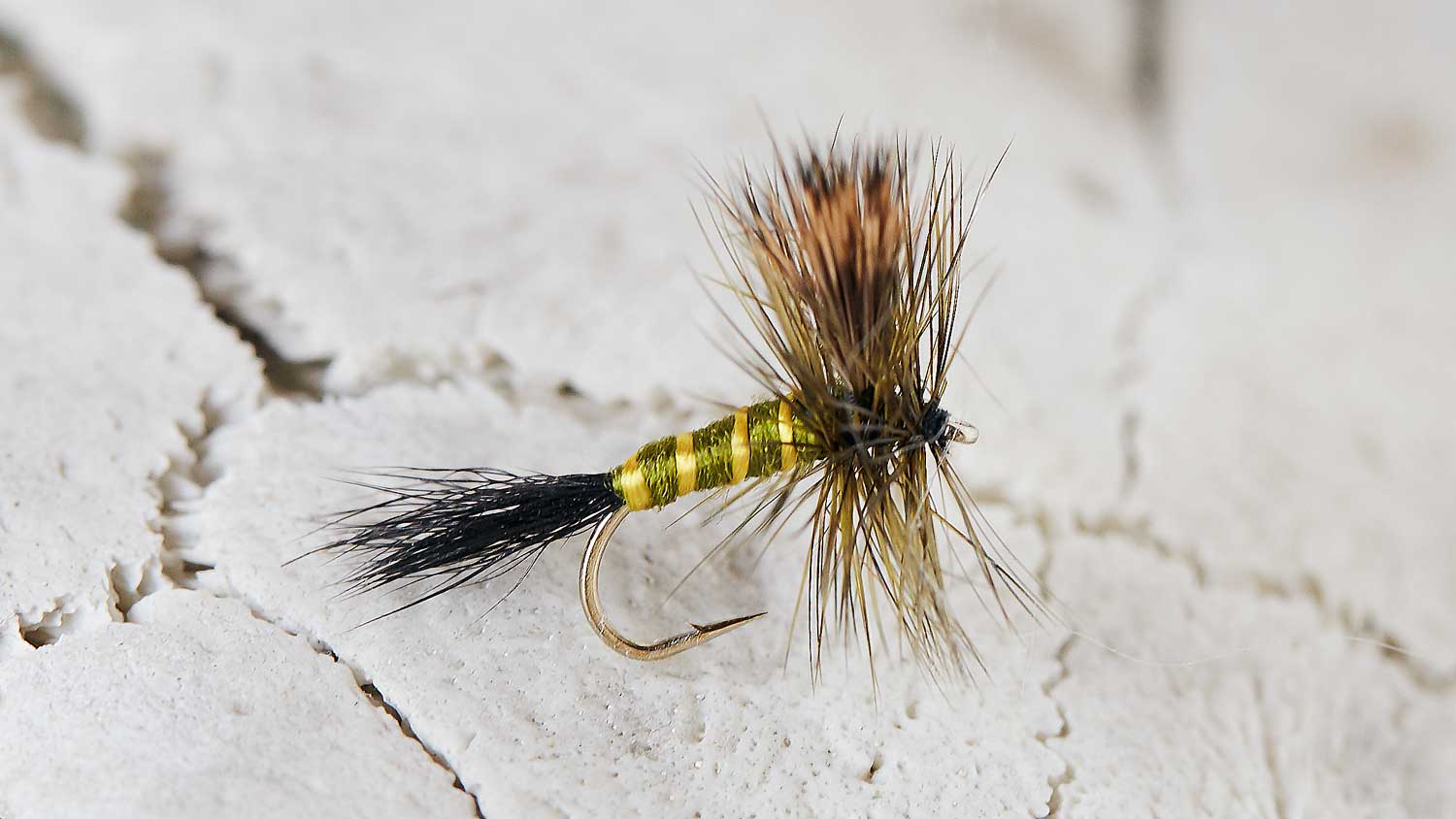
A perfect dry fly drift is fragile. One careless mend can turn a natural presentation into something trout instantly reject. Many anglers focus so heavily on getting a drag-free drift that they forget an important detail: the mend itself can create the drag.
To mend without moving the fly, begin with a small amount of slack, raise the rod tip to lift only the belly of the fly line, and reposition that line with a short upstream or downstream motion. Make the mend before the line tightens, and stop the movement before it reaches the leader.
That is why mastering advanced mending fly fishing is less about moving large sections of line and more about controlling the drift with subtle adjustments. The best anglers rarely throw dramatic upstream mends after the fly lands. Instead, they make tiny corrections that protect the fly from unnatural movement while extending the drift through complicated current seams.

This becomes especially important in technical water where trout inspect flies carefully. During selective feeding windows, even a slight twitch caused by a poorly timed mend can ruin the presentation. Trout feeding on calm flats, tailouts, and slow seams notice movement immediately. If the fly skates sideways or accelerates unnaturally, the fish usually refuse before the angler realizes anything went wrong.
Learning how to mend without dragging the fly changes the way you approach dry fly fishing altogether. Instead of reacting after drag appears, you begin anticipating current conflicts before they happen. You stop treating mending like a rescue move and start using it as a form of drift management.
The result is longer drifts, more natural presentations, and significantly more consistent hookups.
How to Mend Without Moving the Fly: 6 Steps
To mend without moving the fly, you need to reposition only the section of fly line affected by the current while keeping slack between the line and leader. Use a small, controlled rod-tip movement and make the correction early, before tension travels down the line and disturbs the fly
- Start with a small amount of slack between the rod tip and fly.
- Keep the rod tip elevated.
- Lift only the belly of the fly line off the water.
- Lift the rod tip first, then make a short upstream or downstream motion.
- Lay the line down softly before the movement reaches the leader.
- Make the mend early, before the line becomes tight.

Why Traditional Mends Often Ruin the Drift
Most anglers learn the basic upstream mend early in their fly fishing journey. The concept is simple: reposition the line upstream to buy extra drift time and reduce tension from faster currents. The problem is that traditional mends are often too large and too late.
When a big mend moves too much line, the energy travels directly into the leader and eventually into the fly itself. Instead of floating naturally, the fly suddenly jerks across the current or stalls unnaturally. To a trout, this looks nothing like a drifting insect.
Imagine a fly drifting naturally through a seam. The current between the angler and the fly begins pulling the line downstream. In response, the angler throws a large mend several feet upstream. The line jumps, the leader shifts, and the fly moves sideways. The trout tracking the fly disappears.
This happens constantly during dry fly fishing, especially in mixed currents where several water speeds interact at once.

One of the biggest misconceptions about advanced fly line mending tips is that more movement equals better correction. In reality, the opposite is true. Smaller, earlier adjustments almost always produce cleaner drifts than aggressive corrections made after drag has already started.
For a deeper look at controlling line tension throughout the presentation, review these dry fly techniques for creating a drag-free drift.
Timing matters just as much as size. Once drag fully develops, fixing it without moving the fly becomes difficult. That is why experienced anglers mend almost immediately after the cast lands. They recognize that current tension builds quickly, particularly in riffles and complicated seams.
Another common issue is overcorrecting. Some anglers repeatedly mend every few seconds, constantly disturbing the line system. While the intention is good, excessive movement often creates more drag rather than eliminating it.
The best drifts feel quiet and controlled. The fly should move naturally while the line adjusts subtly around it.
Micro-Mend Fundamentals
The foundation of advanced mending fly fishing is the micro-mend. Unlike large sweeping corrections, micro-mends involve small, precise movements designed to reposition line without affecting the fly.
The purpose is simple: adjust the line while leaving the fly untouched.
This requires a completely different approach from traditional mending. Instead of aggressively throwing slack upstream, you make tiny corrections that absorb current tension gradually.
Most effective micro-mends rely on short rod-tip movements rather than large arm motions. Think of it as a gentle flick instead of a sweeping swing. A flick changes only a small section of line, while a swing often moves everything connected to the fly. This difference becomes critical in technical water.

Small corrections also allow the angler to stay connected to the drift without introducing excessive slack. Too much slack reduces control and makes strike detection difficult. Too little slack creates immediate drag. The goal is balanced tension—enough freedom for a natural float, enough connection to guide the drift.
One of the keys to successful micro mend techniques is learning when to apply them. Early corrections work best because they prevent tension from building in the first place. Once the current fully grabs the line, the mend becomes more aggressive by necessity.
Rod position matters as well. Keeping the rod tip slightly elevated reduces the amount of line sitting on the water, which minimizes the current’s influence on the drift. Less line contact means fewer major corrections later.
These subtle adjustments are what separate average presentations from true dry fly line control. Anglers who need to strengthen the basics first can revisit this guide to fly fishing mending and extending a drag-free drift.
Mending in Different Planes
Many anglers think every mend needs to move sideways across the current. In reality, effective Fly-line control involves adjusting the line in several different ways depending on the situation.
Sometimes the best correction is vertical. Other times it comes from introducing curves into the line or positioning the cast correctly before the fly even touches the water.
Understanding these options creates far more natural drifts in complicated current systems.

Vertical Tip Lifts
Vertical tip lifts are one of the cleanest ways to remove tension without disturbing the fly. Instead of sweeping the rod sideways, you gently raise the rod tip upward to lift a small section of line off the water.
This reduces tension from conflicting currents while allowing the fly to continue drifting naturally.
The movement should stay smooth and controlled. Aggressive lifting still transfers energy into the leader system and can pull the fly unnaturally.
Vertical lifts work especially well in soft seams beside faster water where current pressure builds unevenly. They are also highly effective for extending drifts in tailouts where traditional mends would move the fly too dramatically.
One of the biggest advantages of vertical lifts is how subtle they appear on the water. Trout rarely notice them because the fly itself remains stable.

S-Curve Micro Mends
Another effective tactic in subtle mending is creating S-curves in the line upstream of the fly. These curves act like built-in slack reservoirs that absorb tension gradually as the current pulls against the line.
Instead of relying on one large mend, the drift naturally straightens over time while the fly continues moving naturally downstream.
The important detail is placement. The curves should exist upstream of the fly, not directly on top of it. If the slack sits too close to the leader, the fly itself may drift unnaturally.
S-curve mends work extremely well in long seams, spring creeks, and moderate riffles where multiple current speeds interact across the drift.
They are one of the most effective solutions for anglers learning how to mend without dragging the fly in technical trout water.

Reach Casts as Pre-Mends
One of the smartest ways to improve drag free drift control is by reducing the need for major mends in the first place. This is where reach casts become invaluable.
A reach cast positions the line before it lands on the water. By moving the rod upstream or downstream during the forward cast, the angler introduces slack or directional angle into the presentation immediately.
This creates what many anglers call a “pre-mend.” Instead of waiting for the current to create drag, the cast itself prepares the line for the drift ahead.
For example, an upstream reach cast adds extra slack that buys additional drift time in faster current. A downstream reach can help maintain tension in softer seams. Side reaches improve presentation angles across conflicting currents.
When combined with small follow-up corrections, reach casts dramatically reduce the need for aggressive mending later in the drift. Good casting and good mending always work together.

Practicing Mend Control
Improving drag-free drift control requires intentional practice. Fortunately, you do not need difficult trout water to build these skills.
One of the best exercises is simply practicing short drifts close to shore, where you can clearly watch both the line and the fly.
Pick a visible dry fly and cast into moderate current. Instead of focusing on catching fish, focus entirely on how the fly reacts during each mend. If the fly twitches, skates, or changes speed noticeably, the correction was too aggressive.
The goal is to learn how little movement is actually necessary.
Another excellent drill involves fishing across a visible seam where two current speeds meet. Cast so the line crosses both currents, then practice extending the drift using only tiny flick mends and vertical lifts.
These controlled situations teach timing far more effectively than random adjustments made during active fishing.
Watching floating leaves and foam lines also helps develop current awareness. Understanding how water pulls at different speeds improves your ability to predict where drag will form before it happens. The best anglers are often excellent observers long before they become great casters.

Reading Water Before You Mend
Strong advanced fly line mending tips always begin with reading the water before the cast. Most drag problems are predictable if you study the current carefully enough.
Watch how foam lines move through seams. Notice where fast water meets slow water. Look for converging currents around rocks, bends, and shelves. Learning how to fly fish a stream and identify productive current lanes will also help you recognize where drag is likely to develop before you make the cast.
Ask yourself:
- Where will tension build first?
- Which section of the line will the current pull hardest?
- Where should slack exist during the drift?
Answering these questions before the cast makes every correction smaller and more effective. Instead of reacting after the fly begins dragging, you prepare for the problem in advance.
This proactive mindset transforms mending from emergency correction into controlled drift management.
The Relationship Between Casting and Mending
Casting and mending are deeply connected. Poor casting forces constant correction. Good casting reduces the need for mending altogether.
That is why anglers focused on dry fly line control spend just as much time improving line layout as they do practicing mends themselves.
A clean cast positions the line strategically from the beginning. It minimizes unnecessary current exposure and creates better drift angles immediately.
When the cast is correct, the mend becomes lighter and more subtle. This matters tremendously during technical dry fly fishing where trout inspect every detail. The cleaner the cast, the easier the drift becomes.

Subtle Control Creates Better Drifts
The real goal of advanced mending fly fishing is not simply repositioning the line upstream. It is preserving the natural behavior of the fly while managing conflicting currents around it. That requires subtlety, timing, and awareness.
When you learn to apply micro-mends early, use vertical corrections instead of aggressive sweeps, build controlled slack into the drift, and read seams before drag develops, your presentations become dramatically more believable. And believable drifts catch more trout.
The best anglers rarely make dramatic movements. More often, they make tiny adjustments that most people never notice. Those subtle corrections are what allow the fly to drift naturally through difficult water without tension ruining the presentation.
Your drift deserves perfect control. Pair Drifthook’s Dry Fly Kit with precision tools for the cleanest mends possible.

About the Author
This guide was written by Matthew Bernhardt, a Colorado-based angler with over 35 years of experience fly fishing Western rivers, including the Colorado, Arkansas, and Blue River. He is the founder and owner of Drifthook Fly Fishing, which he has operated since 2015.
Matthew specializes in trout rigging systems, leader construction, and technical dry fly presentations. Over decades of fishing high-altitude tailwaters and freestone rivers.
His focus is helping anglers build efficient, reliable fly fishing systems so they spend less time adjusting gear and more time fishing effectively.

1 comment
jim helring
describe technical water please. Water is water is water H2O fast slow swirling dirty gin clear or still it is water there is no place in fly fishing for the word technical. Where it is valid is describing the extrusion process for making flouro tapered leaders or discussing the ratio of glue to scrim in rod making etc. If you mean the water can be DIFFICULT to read or cast upon then use the word difficult ,hard ,complicated but not technical. There is nothing technical about fishing only in the manufacturing processes of making fishing equipment. Fish can be caught with bare hands or a cane pole with a piece of line a hook sinker or bobber or not. Lets clean technical out of the fishing dialog.
describe technical water please. Water is water is water H2O fast slow swirling dirty gin clear or still it is water there is no place in fly fishing for the word technical. Where it is valid is describing the extrusion process for making flouro tapered leaders or discussing the ratio of glue to scrim in rod making etc. If you mean the water can be DIFFICULT to read or cast upon then use the word difficult ,hard ,complicated but not technical. There is nothing technical about fishing only in the manufacturing processes of making fishing equipment. Fish can be caught with bare hands or a cane pole with a piece of line a hook sinker or bobber or not. Lets clean technical out of the fishing dialog.