Few things in fly fishing compare to watching a trout come up and take a dry fly off the surface. You see the drift, rise, and take, all in the space of a second or two. It's the part that gets people hooked on the sport, and it's the part that keeps them planning the next trip before they've finished the current one.
This guide covers what you need to fish dries effectively: the fundamentals, the patterns that consistently produce, how to rig up, how to match the hatch, and how to put it all together when you're standing in the water with fish working in front of you.
But first, let’s cover a few of the absolute basics.
What Is Dry Fly Fishing?
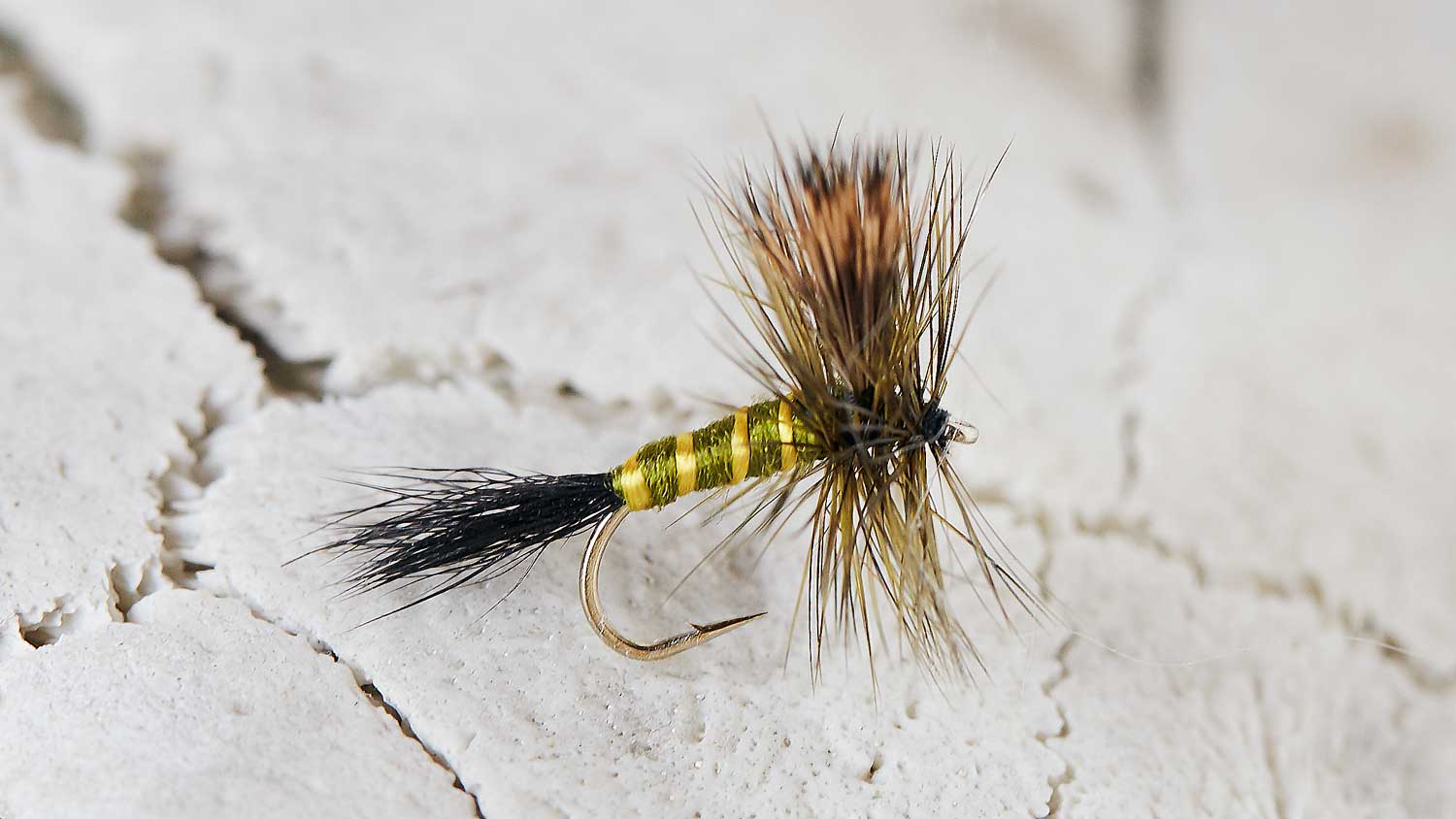
Dry flies imitate the adult stage of aquatic insects (mayflies, caddis, midges, or stoneflies) once they've hatched and are floating on the surface. The fly sits on top of the film rather than below it, and the takes are visual. You'll know exactly what just happened.
Trout don't always feed on the surface, and that's worth getting straight from the start. Most of a trout's diet comes from subsurface food: nymphs, emergers, and the occasional baitfish. But during a hatch, when adult insects are stacked up on the water and easy pickings, trout will switch to the surface until the activity fades. Those are the windows dry fly anglers live for.
Reading the water is a big part of it. You're watching for rising fish, the soft sip of a nose breaking the film, or the splashy gulp of a fish chasing caddis. Each rise form tells you something about what the fish is eating, and once you start reading those clues, fly selection gets a lot easier.
The Top Dry Flies Every Trout Angler Should Carry
There are thousands of dry fly patterns floating around, but a short list covers most situations you'll encounter on American trout water. These are the ones that consistently produce.

Parachute Adams
The one fly nobody argues about. It imitates a wide range of mayfly duns, rides upright on the water, and the white parachute post makes it easy to track even in tricky light. Carry it in sizes 12 through 22, and you've covered most mayfly hatches you'll ever encounter.

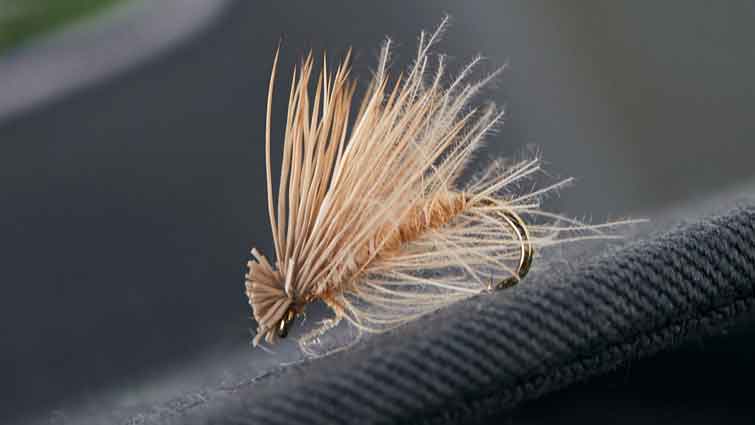
Elk Hair Caddis
Floats high, handles rough water better than almost any other dry fly, and triggers the kind of splashy takes that caddis hatches are known for. Tan and olive in sizes 14 through 18 will handle most caddis activity from late spring through early fall.
Comparadun PMD
A low-riding dun pattern that sits flush in the surface film, which matters a lot when trout are being selective. Pale Morning Duns are one of the most reliable hatches across western rivers, and the Comparadun is the pattern that consistently fools fish during them. Sizes 16 to 20.

Griffith's Gnat
A cluster of adult midges in a single fly. The Griffith's Gnat is what you reach for on flat water when trout are sipping quietly, and you can barely see what they're eating. Sizes 18 through 22. Pair it with 6X tippet and a careful presentation.

Royal Wulff
An attractor pattern that doesn't imitate anything specific but looks like enough things to draw aggressive strikes. The Royal Wulff is at its best in fast pocket water and freestone streams where trout don't have time to inspect a fly closely. Sizes 12 through 16.

Stimulator
Bushy and buoyant, the Stimulator imitates stoneflies, large caddis, or just about anything substantial that lands on the water. It floats well enough to double as the dry in a dry-dropper rig, which makes it doubly useful. Yellow, orange, and olive in sizes 8 through 14. For more on choosing the right size for any of these patterns, our guide to fly fishing hook sizes breaks down what works for which species.

Gear Setup for Dry Fly Fishing
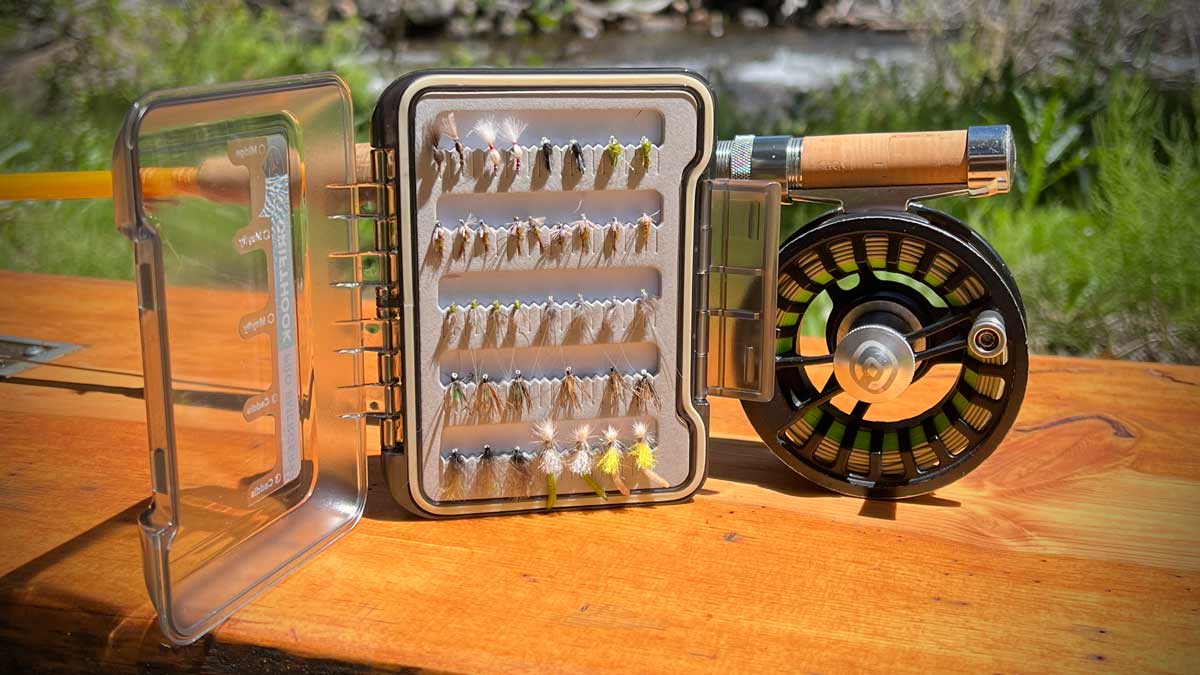
Dry fly fishing rewards a setup that lands softly. A heavy line that crashes onto the water will spook the fish you're trying to catch before your fly has any chance to drift over them. The good news is the gear list is short, and once you've got it dialed in, you won't need to change much from one trip to the next.
Tippet selection is where a lot of anglers leave fish on the table. Lighter tippet drifts more naturally and is harder for fish to spot, but it also limits how hard you can lean on a fish once you've hooked one. Match it to the fly size and conditions, and don't be afraid to go lighter than you feel comfortable with if the fish are spooky.
Techniques That Catch Fish
The pattern matters, but the presentation matters more. Even the right fly will get refused if it drags across the current, while a slightly off pattern fished cleanly will draw confident takes. That's the deal, and it's worth getting comfortable with early.
The Drag-Free Drift
This is the entire game. Your fly needs to move at exactly the speed of the current it's sitting in, with no tension pulling it sideways or downstream faster than it should be going. Drag is what most anglers fail to see and what trout almost always do. Mending your line upstream after the cast, keeping your rod tip high, and using a reach cast to put slack in the right place are all ways to extend a drag-free drift.
Sight Fishing to Risers
When you can see a fish actively rising, you've got an enormous advantage. Watch the rise form for a minute before you cast. Note exactly where the fish is holding (typically just upstream of where the ring appears, since current carries the rise downstream). Then cast a few feet above that holding spot so your fly drifts naturally into the fish's window.
Dry-Dropper Rigs
A buoyant dry fly with a small nymph or emerger trailing 12 to 24 inches below it. The dry doubles as both attractor and indicator, while the dropper picks off fish feeding just beneath the surface. It's one of the most productive ways to fish a river when activity is mixed between the surface and just below. The Drifthook Dropper Rigs Kit covers the buoyant top-fly patterns built for this exact purpose.

Matching the Hatch
Matching the hatch is the art of choosing a fly that looks like whatever the trout are actually eating. It sounds intimidating, but it comes down to three variables: size, shape, and color, roughly in that order of importance.
Size is what trout are pickiest about. If a size 16 PMD is hatching and you tie on a size 12 Adams, you'll get refused. Get the size right first. Shape comes next; mayfly duns, caddis, midges, and stoneflies each sit on the water differently, and matching the silhouette beats matching the color. Color is the third consideration, and most of the time, a generic dun, olive, or tan will get you close enough.
The fastest way to know what's hatching is to look. If you see adults on the surface, scoop one up and compare it to the patterns in your box. If you can't see anything obvious, flip a rock in the riffles. Whatever nymphs are clinging to the underside will likely be the next hatch up.
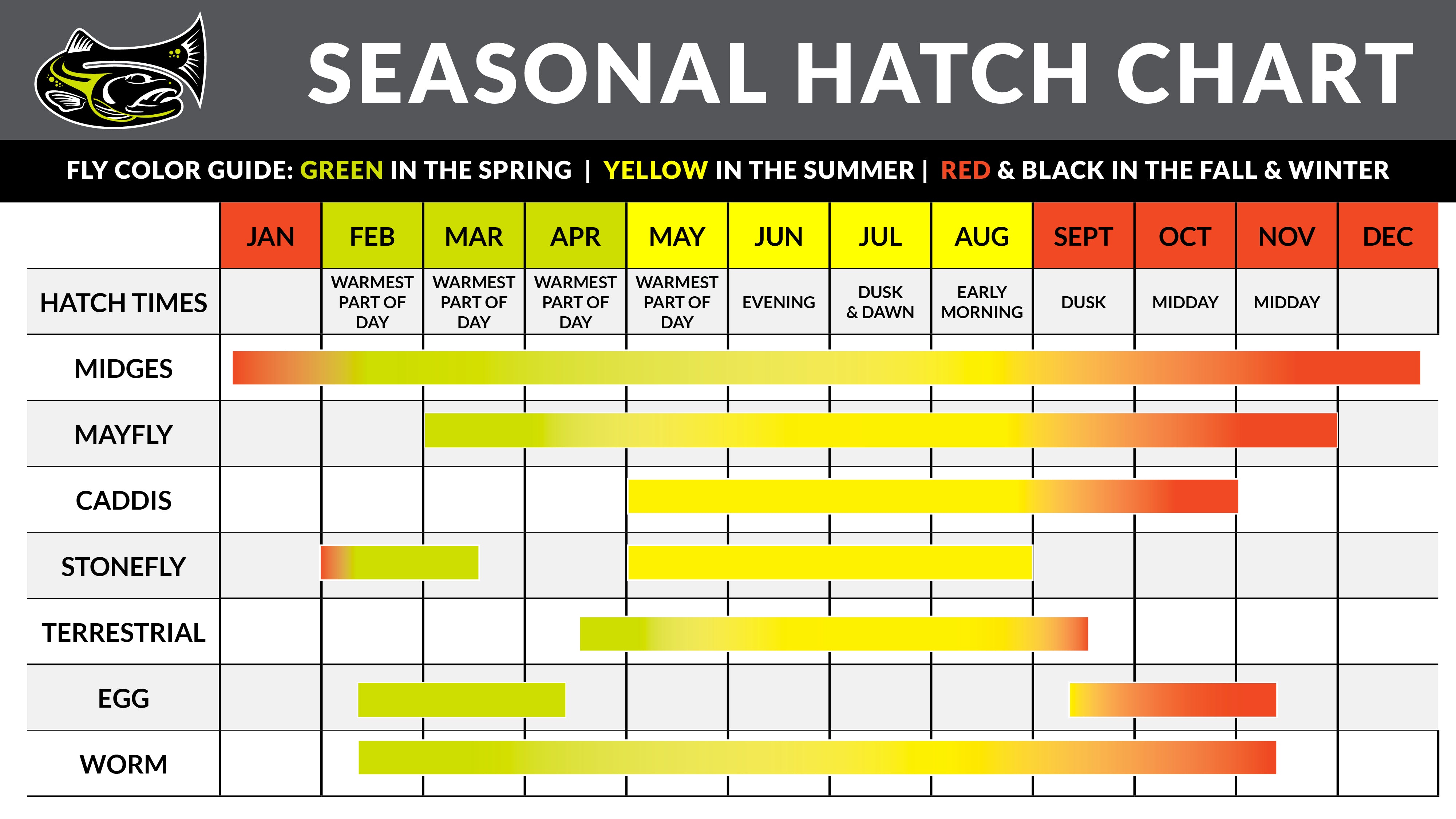
Some general timing for the most common American hatches:
- Blue Winged Olives (BWOs): Spring and fall, often on overcast days. Sizes 18 through 22.
- Pale Morning Duns (PMDs): Late spring through midsummer, late morning through early afternoon. Sizes 16 through 20.
- Caddis: Late spring through early fall, often most active at dusk. Sizes 14 through 18.
- Tricos: Mid-summer through early fall, morning spinner falls. Sizes 20 through 24.
- Midges: Year-round, especially valuable in winter and on tailwaters. Sizes 18 through 26.
Reading the Water for Dry Fly Opportunities
Even during a hatch, trout don't feed everywhere. They position themselves in spots where the current concentrates food and where they can hold without burning energy. Soft seams next to faster current, the slack water behind boulders, tailouts at the bottom of pools, and the foam lines along bank edges are all worth a careful drift.
Foam is one of the best indicators on the water. It forms in slow seams where the current collects whatever is floating, including dead and dying insects. Fish key on these lines during and after hatches, and a clean drift down a foam line will usually find feeding trout. Be patient, too. A riser that goes quiet for a few minutes is often just waiting for the next round of insects to come overhead.
Ready to Fish?
Dry fly fishing rewards patience and close attention. You need a willingness to keep showing up even on days when nothing rises, because the hatches are coming and the fish are watching.
There's no better moment in the sport than the one right before a trout breaks the surface to take a fly you tied on five minutes earlier.
Build the core patterns into your box, pay attention to the water, and start with the basics: a clean drift over a feeding fish with a fly that's roughly the right size. The rest is just a simple case of time on the river.

About the Author
This guide was written by Matthew Bernhardt, a Colorado-based angler with over 35 years of experience fishing Western rivers, including the Colorado, Arkansas, and Blue River. He is the founder and owner of Drifthook Fly Fishing, which he has operated since 2015.
Matthew specializes in trout rigging systems, leader construction, and technical nymphing presentations. Over decades of fishing high-altitude tailwaters and freestone rivers, he has field-tested dozens of leader and tippet configurations across varying water clarity, flow rates, and seasonal conditions.
His focus is helping anglers build efficient, reliable fly fishing systems so they spend less time adjusting gear and more time fishing effectively.