Early spring sits at the crossroads of two very different fishing styles. Winter demands patience, finesse, and extremely subtle presentations. But as daylight lengthens and flows begin to rise, trout behavior changes. Fish become more mobile, food sources increase, and currents grow stronger. This seasonal transition means anglers must adjust their gear and presentation.

If you continue fishing delicate winter setups, you may struggle to reach the strike zone or maintain proper drift control in faster water. On the other hand, switching too aggressively too soon can reduce natural presentation when trout are still cautious.
Understanding early spring fly fishing rigs is about finding the balance between winter precision and spring power. Your rig should maintain natural drift while gaining enough weight, coverage, and versatility to handle changing flows and feeding patterns.
In this guide, you’ll learn how to:
-
Transition from winter finesse rigs to spring nymph setups
-
Build effective two-fly combinations
-
Adjust leader length and indicator placement
-
Choose the best tippet for spring water
-
Avoid common rigging mistakes that cost fish
By the end, you’ll have a flexible system that adapts easily to early-season river conditions. If you want to take this further, this early spring trout fishing playbook breaks down positioning, timing, and fish behavior.

Understanding the Seasonal Rigging Shift
Winter rigs are built for slow water and inactive fish. Early spring rigs must handle more current, more food, and more movement from trout.
In winter, most anglers rely on:
-
Extremely light flies
-
Long leaders
-
Minimal indicator movement
-
Tight-line or subtle nymph systems
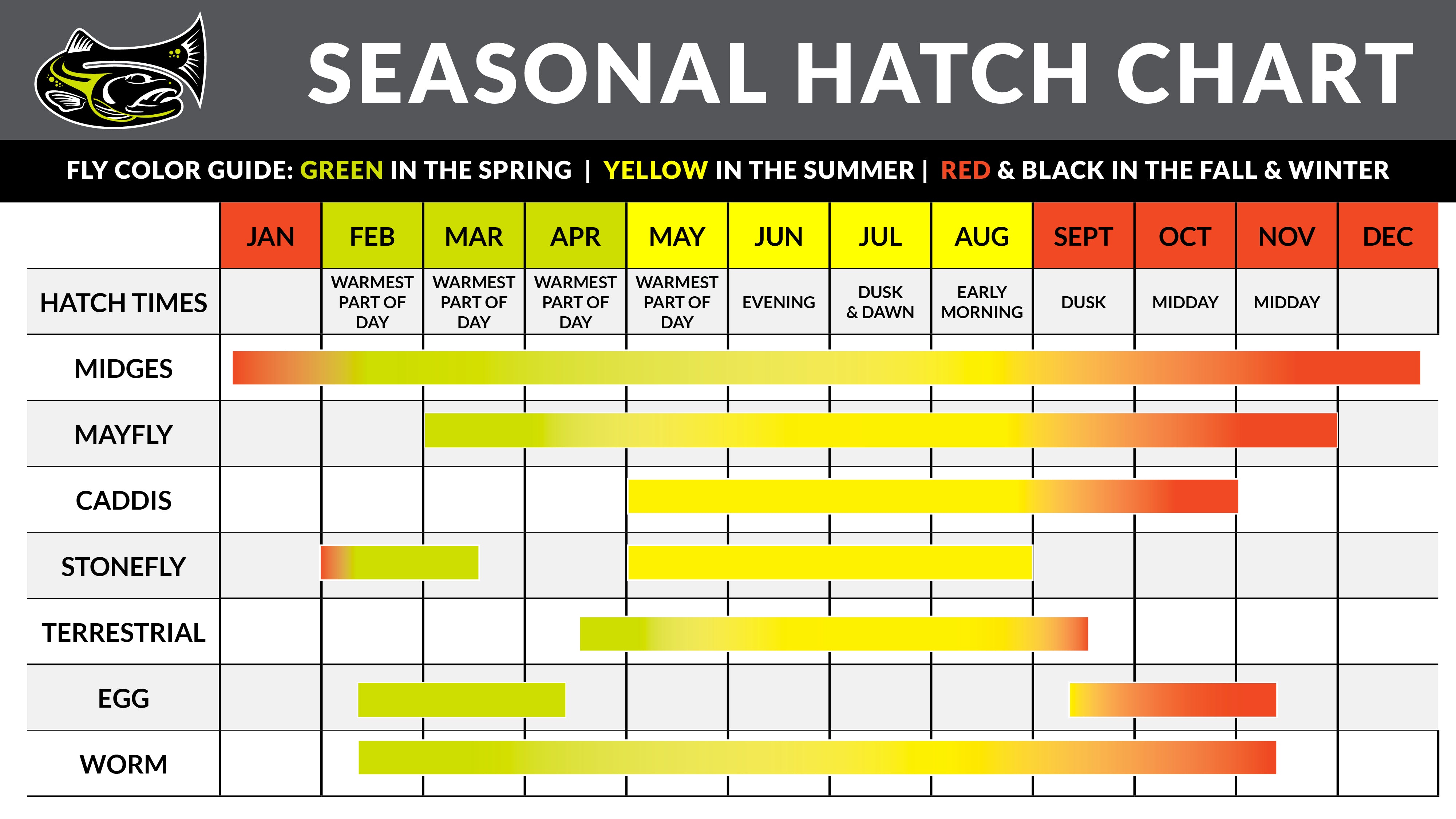
But when snowmelt begins, and water temperatures slowly rise, several things change. Trout metabolism increases. Fish begin feeding more consistently throughout the day. Insects become more active. Stoneflies, Blue Winged Olives, and midges begin appearing more frequently. Current strength increases. Rivers carry more water, which requires better depth control.
Seasonal shifts in water temperature play a major role in fish activity, and resources like NOAA water data and climate monitoring help explain these transitions.
As flows rise, many of these same adjustments apply—especially when learning how to fish high water runoff effectively.
Because of these changes, spring nymph rigs need to be slightly heavier, slightly shorter, and more adaptable than winter systems.
Your goal is not simply to add weight—it is to maintain precise drift while covering multiple feeding zones.

Building Two-Fly Combinations
One of the most effective transition fly setups for early spring is the two-fly nymph rig.
Two flies allow you to:
-
Cover different insect stages
-
Reach multiple depths in the water column
-
Present both natural and attractor patterns
This versatility is especially important during early season fishing when trout may shift feeding behavior quickly. For deeper technical insights into rigging and presentation, organizations like Fly Fishers International provide extensive educational resources.

Classic early spring combination: stonefly + BWO
A reliable starting setup includes:
- Top fly (anchor fly) - Large stonefly nymph
- Bottom fly (trailer) - Smaller mayfly or BWO pattern
This pairing works well because stoneflies remain active along the river bottom during early spring, while mayflies begin emerging in the mid-water column.
The stonefly acts as both:
-
A food source
-
A weight anchor that pulls the rig deeper
Meanwhile, the trailing fly imitates the insects that trout may actually be keying on.

Emerger-focused combinations
During hatch activity, you may want to shift toward emerger-based rigs.
For example:
-
BWO emerger + RS2
-
Midge pupa + small mayfly emerger
These combinations drift naturally through feeding lanes where trout intercept insects just below the surface.
When flows are changing, and trout shift feeding depth quickly, carrying stage-specific patterns becomes extremely helpful.
The Pro Emerger Kit from Drifthook is designed to mirror multiple insect stages—from ascending nymphs to film-trapped emergers—so you can quickly adjust your rig without rebuilding your fly box.
Rig bold for spring—Drifthook’s Pro Emerger Kit helps you cover changing currents.

Adjusting Leader Length and Indicator Distance
Leader configuration is one of the most overlooked components of fly fishing indicator rigs.
Early spring rivers often require deeper presentations due to:
-
Increased flows
-
Slightly stained water
-
Fish holding near structure
Leader length adjustments
In winter, many anglers fish leaders between 9 to 12 feet. During early spring, you may benefit from slightly shorter leaders when fishing heavier rigs.
A typical spring leader may range from 7.5 to 10 feet.
Shorter leaders allow:
-
Better turnover with heavier flies
-
Improved strike detection
-
Less drag during faster drifts
However, clear tailwaters may still require longer leaders to prevent spooking fish.

Indicator placement
Indicator distance determines your effective depth. A general rule for spring indicator rigs is to set at 1.5 to 2 times the water depth.
For example:
If the water is 3 feet deep, set the indicator roughly 4.5 to 6 feet above the fly. This spacing allows the flies to sink naturally while maintaining good strike detection.
As flows increase, you may need to adjust frequently. This is where many anglers struggle with how to adjust rig for spring flows—they fail to move the indicator often enough.
Make small adjustments until you occasionally feel the flies touch bottom. That contact confirms you are drifting in the correct zone.

Choosing the Best Tippet for Spring Water
Tippet selection plays a crucial role in both presentation and strength.During winter, anglers often rely on extremely light tippet sizes such as 6x and 7x. These sizes allow subtle drift when trout are cautious. However, early spring flows demand slightly stronger material.
Best tippet for spring water
Most early-season nymph rigs perform best with 4X and 5X. This size provides enough strength to handle:
-
Heavier flies
-
Faster current
-
Larger trout that become active during spring
Material considerations
Fluorocarbon tippet is often preferred for spring nymph fishing because it:
-
Sinks faster
-
Resists abrasion
-
Remains nearly invisible underwater
This combination makes it ideal for double nymph rig setups. However, if trout are feeding near the surface during hatches, switching to nylon tippet may improve drift and buoyancy.

Weight Control and Depth Management
Weight management is one of the most important aspects of early spring rigging. As rivers swell and currents strengthen, flies must reach the strike zone quickly. Many anglers respond by adding excessive split shot.
Unfortunately, this often creates:
-
Snagging problems
-
Unnatural drifts
-
Poor strike detection
Instead of relying entirely on split shot, consider using weighted flies as the primary anchor.

The Guide Nymph Assortment from Drifthook provides balanced nymph profiles designed to sink efficiently without excessive external weight.
These patterns help maintain controlled drift while keeping the rig compact and manageable in faster currents.
When paired with an anchor fly and lighter trailer, this setup allows you to explore deeper seams without sacrificing natural presentation.
Common Mistakes When Rigging for Early Spring
Even experienced anglers make rigging errors during seasonal transitions. Avoiding these mistakes can dramatically improve your success.
Fishing too light
The most common mistake is carrying over winter rigs unchanged. If your flies never reach bottom or your indicator moves too quickly, your rig is likely too light.
Early spring often requires heavier anchor flies or additional weight.

Poor depth control
Many anglers set their indicator once and never adjust it again. But river depth changes constantly along each run. Small adjustments can dramatically increase strikes.
Fishing with too many flies
Some anglers attempt complex three-fly rigs.
While effective in certain situations, they can create:
-
Tangles
-
Poor turnover
-
Reduced strike detection
For most early spring scenarios, a two-fly system remains the most efficient.
Ignoring current speed
Spring water moves faster than winter water. If your drift appears unnatural or rushed, reposition your cast angle or increase the weight slightly.

Dialing Your Rig for Changing Conditions
One of the biggest challenges in early spring fishing is rapid environmental change. A productive morning setup may stop working by midday as flows, light, or insect activity shift.
Successful anglers adapt by adjusting:
-
Fly size
-
Weight distribution
-
Indicator depth
-
Drift angle
If you’re struggling with depth, revisit depth and weight control for winter nymphing to refine strike detection and drift.
As insect activity increases later in the season, additional patterns, such as stoneflies, become more prominent. Preparing for that transition early can help you stay ahead of feeding patterns.

Reading Water to Match Your Rig
Rigging decisions should always match the type of water you are fishing. Early spring rivers typically present three common holding areas:
Deep seams
These areas require heavier anchor flies and deeper indicator placement.
Soft edges
Fish often hold along inside banks where the current slows. Lighter rigs may drift more naturally here.
Mid-column feeding lanes
During hatch activity, trout may suspend in the water column. Emerger-style rigs work best in these zones. Matching your early spring fly fishing rigs to each of these environments dramatically improves effectiveness.

Preparing Your Fly Box for Spring
A well-organized early-season fly box should include:
Anchor flies
-
Stonefly nymphs
-
Larger mayfly nymphs
Trailer flies
-
BWO nymphs
-
Midge pupae
-
Small emergers
Versatile attractors
-
Hot spot nymphs
-
Flashback patterns
Combining these categories allows you to build flexible spring nymph rigs that adapt to changing conditions throughout the day. If you want to better understand why these patterns matter, learning about aquatic insect life cycles can help you match each stage more effectively.

Rigging for Confidence in Early Spring
Early spring fishing requires a mindset shift.
The delicate presentations that work during winter must evolve into more versatile and slightly more aggressive systems. By learning how to build balanced early spring fly fishing rigs, anglers can maintain natural drift while reaching deeper holding water and covering multiple feeding stages.
Successful spring rigging focuses on:
-
Effective two-fly combinations
-
Adjusting leader length and indicator placement
-
Choosing a stronger tippet for higher flows
-
Maintaining precise depth control
When these elements come together, your rig becomes more than just a setup—it becomes a tool for reading water, adapting to conditions, and staying connected to trout throughout the unpredictable early season.
Master these transitions, and you’ll move confidently from winter subtlety to spring aggression—exactly when trout begin feeding with renewed energy.

About the Author
This guide was written by Matthew Bernhardt, a Colorado-based angler with over 35 years of experience fishing Western rivers, including the Colorado, Arkansas, and Blue River. He is the founder and owner of Drifthook Fly Fishing, which he has operated since 2015.
Matthew specializes in trout rigging systems, leader construction, and technical nymphing presentations. Over decades of fishing high-altitude tailwaters and freestone rivers, he has field-tested dozens of leader and tippet configurations across varying water clarity, flow rates, and seasonal conditions.
His focus is helping anglers build efficient, reliable fly fishing systems so they spend less time adjusting gear and more time fishing effectively.