When winter arrives, most anglers adjust layers, leaders, and expectations—but far fewer take the time to adjust their fly boxes. That’s a mistake. Cold water compresses trout behavior, narrows feeding windows, and exposes clutter fast. A fly box that worked beautifully in October can be inefficient, distracting, and even counterproductive once water temperatures drop.
Some anglers organize their fly boxes based on different factors, such as season, water type, or hatch patterns, to improve efficiency and adapt to changing conditions. In winter, trout rarely move far to eat and hold in very specific seams and soft water understanding where trout hold in frozen flows is critical before worrying about flies or rigs.

A winter fly box audit isn’t about carrying fewer flies just for the sake of it. It’s about carrying the right flies, in the right sizes and weights, organized so you can fish efficiently when conditions—and fingers—are unforgiving. It's a great idea to organize your fly boxes based on calendar seasons and fishing needs to ensure you have the most effective patterns ready for each situation.
This winter fly box checklist walks through what to keep, what to remove, and how to set up a streamlined winter trout box that works when every drift counts.
When you organize the entire box for winter, consider how this approach can benefit you for the entire season, not just the colder months. Systematically arranging your flies for each season ensures you're prepared for any hatch or condition throughout the year.
Why Winter Fly Selection Matters
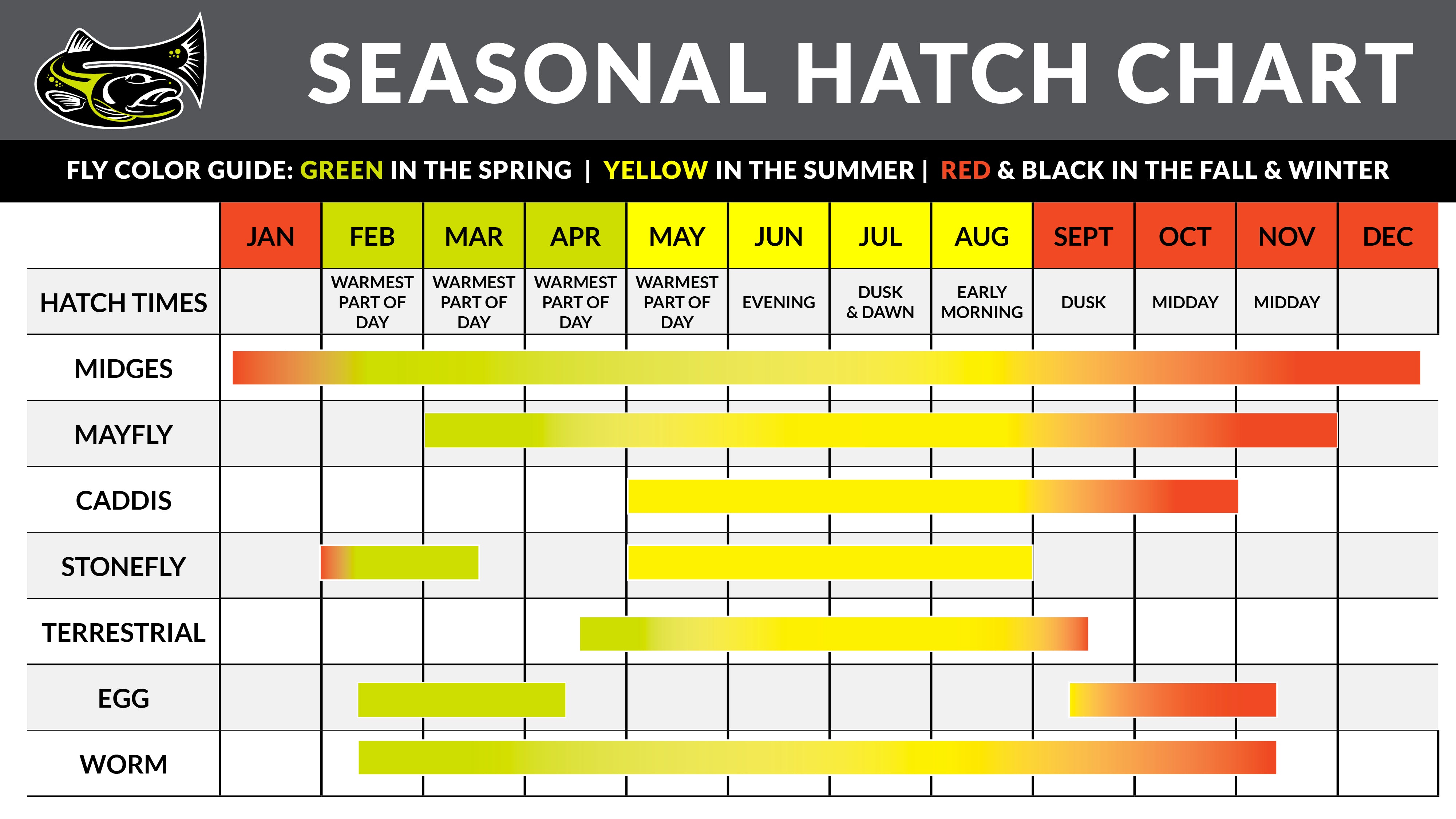
Winter fishing strips fly selection down to essentials. Hatches are limited, insect activity is predictable, and trout rarely move far to eat. Matching your flies to the available hatch is crucial to maximizing your catch during winter. That means fly choice matters less than depth and presentation—but only if you’re fishing the right category of flies to begin with.
In cold water, trout feed primarily on:
-
Midges
-
Small mayflies (especially baetis)
-
Aquatic worms
-
Eggs (seasonally and system-dependent)

That’s it. There are fewer variables than in spring or summer, which is exactly why confidence patterns matter more than experimentation. A winter fly box checklist helps eliminate decision fatigue and keeps your focus on execution rather than rummaging.
Winter fly selection should prioritize:
-
Smaller hook sizes (#16–24)
-
Slim profiles
-
Heavily weighted or tungsten-beaded patterns
-
Durable flies that hold up in cold conditions
The fewer flies trout see—and the longer they inspect them—the more important clean presentation and correct sizing become. Carrying 200 patterns doesn’t help if only 15 of them actually get eaten.
Clean out the clutter—restock your essentials for the winter grind.
Assessing Fly Capacity
When it comes to fly box organization, assessing your fly capacity is just as important as choosing the right patterns. The number of fly boxes you carry—and how you fill them—can make or break your efficiency on the water. Many anglers fall into the trap of packing too many boxes, which leads to decision fatigue and wasted time. On the other hand, carrying too few boxes can leave you without the right flies when conditions change.
Most fly boxes are designed to hold a set number of flies, but how you use that space depends on your fishing style and the season. For example, in early spring, you’ll want to load your box with more nymphs that imitate stonefly nymphs, especially patterns with rubber legs that get the trout’s attention in cold, high water. As the season shifts to late summer, your fly selection should pivot to include more dry flies and streamers—think wooly buggers and other patterns that cover a range of water and feeding behaviors.

Some anglers prefer the simplicity of one box that holds all their essential flies, organized by fly type or size. This “one box” approach is great for quick trips or when you want to travel light. Others opt for multiple boxes based on fly type, season, or even specific fishing locations. For instance, you might have a dedicated streamer box for fall and late summer, a nymph box for spring creeks, and a dry fly box for those rare winter hatches.
The key is to strike a balance: enough flies to cover the most likely scenarios, but not so many that your fly box organization becomes a burden. Assess your fly capacity at the start of each season, and adjust your boxes based on the patterns and fly types you actually use. This way, you’ll always have the right flies on hand—without carrying unnecessary weight or clutter.
Fly selection matters far less than depth in cold water, and most anglers fish too shallow—knowing how deep to fish nymphs in winter is often the difference between blank days and steady eats.
Core Flies That Stay Year-Round
Some flies earn permanent real estate in every fly box, regardless of season. These patterns mimic the food trout eat 365 days a year, making them non-negotiable for a winter trout box setup. It's important to carry these patterns in different sizes and different colors to effectively match the insects trout are feeding on and adapt to changing conditions.
Once depth and presentation are dialed, fly choice becomes simple—these best winter nymphs for trout consistently produce when food sources are limited and fish are selective.

Pheasant Tails
A foundational mayfly nymph that imitates baetis, PMDs, and generic mayfly larvae. In winter, slim pheasant tail variants shine.
Recommended sizes: #16–20
Best features:
-
Natural profile
-
Works in clear and lightly stained water
-
Pairs well as a dropper behind heavier flies
-
Brown variants are especially effective in winter or stained water

Zebra Midges
If winter had an MVP, this would be it. Midges dominate cold water systems, and Zebra Midges are simple, durable, and deadly.
Recommended sizes: #18–24
Core colors: black/red, black/silver, olive, green
Why they stay:
-
Year-round food source
-
Extremely effective below 45°F
-
Perfect for both indicator and euro rigs

Egg Patterns
Eggs are not just fall flies. Depending on system and species, trout will eat eggs opportunistically throughout winter.
Recommended sizes: #14–18
Best colors: pale peach, cream, soft pink
When to use:
-
Below the spawning areas
-
During low, clear winter flows
Worm Patterns
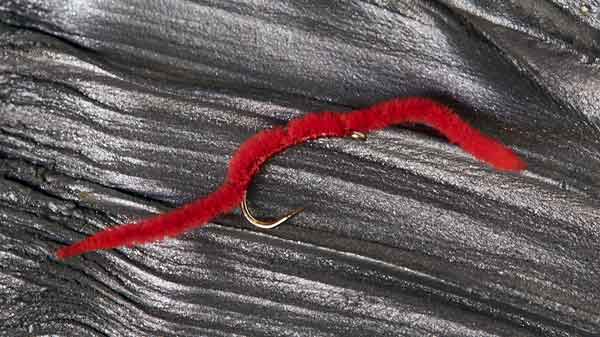
Aquatic worms dislodge during fluctuating winter flows and are easy calories for cold trout.
Recommended sizes: #12–16
Notes:
-
Subtle colors outperform bright red in clear winter water
-
Use sparingly, but don’t remove them
These patterns form the backbone of any effective winter fly selection. If you want to see top winter flies that consistently earn confidence status, these are the patterns that never leave the box.
Flies to Retire Until Spring
A winter fly box audit isn’t complete without removing flies that simply don’t belong in cold water. Store these flies until late spring, when they become relevant again. Keeping them wastes space, slows decision-making, and encourages poor pattern choices.

Terrestrials
Ants, beetles, and hoppers—none of these play a meaningful role once temperatures drop.
Remove:
-
Foam hoppers
-
Flying ants
-
Beetles

Large Attractors
Big stonefly nymphs and flashy attractors can spook winter trout unless flows are high and stained.
Set aside:
-
Size #6–10 stoneflies
-
Heavily rubber-legged patterns
-
Oversized jig nymphs

High-Floating Dries
Winter dry fly opportunities exist—but they’re rare and specific.
Remove:
-
Big Caddis
-
Attractors like Stimulators
-
Foam dries
A minimalist fly box guide for winter isn’t about limitation—it’s about relevance. If you didn’t fish a pattern successfully in the last two winter seasons, it probably doesn’t belong.

Organizing for Speed and Comfort
Cold-weather fly prep isn’t just about patterns—it’s about usability. Frozen fingers, numb hands, and short feeding windows demand efficiency. Leaving enough room in your fly box to avoid crowding makes it much easier to access each fly quickly. A well-organized pack also ensures you can grab the right box or gear without fumbling, especially when time is limited.
Group similar flies in a bunch to keep your box organized and make selection faster. Organize your flies by how they are tied, such as by profile or weight, to improve your efficiency when choosing the right fly for the conditions.
Tight Size Ranges
Group flies by narrow size bands:
-
#16–18
-
#18–20
-
#20–24
This makes selection faster and reduces unnecessary handling.

Separate Bead Types
Keep tungsten and brass beads in separate rows or boxes. Tungsten is essential for winter depth control, and mixing bead weights slows rig adjustments.
Label Your Boxes
A simple Sharpie label like “WINTER MIDGES” or “HEAVY NYMPHS” saves time and frustration.
Limit Fly Counts
Carry fewer duplicates. Six of one proven fly beats twenty experimental patterns you never fish.
Good fly box organization keeps you fishing longer and thinking less—two major advantages in winter conditions.

Gear Maintenance During the Audit
A winter fly box checklist should include maintenance, not just organization. Cold water exposes weak hooks and corroded materials fast.
Inspect Hooks
Check for:
-
Rust
-
Dull points
-
Bent gaps
Discard flies that won’t penetrate on a soft winter take.
Dry and Clean Boxes
Moisture trapped in fly boxes accelerates corrosion. Dry boxes thoroughly after each trip and consider silica packs for long-term storage.
Replace High-Use Patterns
Zebra Midges, Pheasant Tails, and worms get fished hard in winter. Restock before you’re down to your last good one.
Clean out the clutter—Drifthook’s Life Cycle Kits restock your essentials for the winter grind.

Seasonal Fly Rotation: A Smarter Habit
Winter is the perfect time to adopt a seasonal fly rotation mindset. Rather than carrying everything all year, rotate flies based on conditions and insect availability. This also makes it easier to plan your spring restock once winter fades and hatches expand again.
Benefits include:
-
Faster decisions on the water
-
Better pattern confidence
-
Reduced clutter
-
More efficient rigging
A dedicated winter trout box setup doesn’t replace your main collection—it complements it. Some anglers use two boxes to separate winter and spring patterns, making seasonal rotation and organization much easier.
Putting It All Together
A successful winter fly box isn’t flashy. It’s practical, focused, and built around trout behavior—not angler optimism.
Your winter fly box checklist should answer three questions:
-
Does this fly represent the food trout eat in winter?
-
Is it sized appropriately for cold water?
-
Can I access it quickly with cold hands?
For example, organizing your box with a dedicated mayfly section—subdivided into spinner and dun patterns—can help you quickly find the right fly during winter hatches.
If the answer isn’t yes across the board, it probably doesn’t belong.
Clean Out the Clutter and Rebuild Smart
Winter rewards preparation. When feeding windows are short, and mistakes are magnified, having the right flies—organized correctly—makes every drift more effective.
Clean out the clutter—Drifthook’s Life Cycle Kits restock your essentials for the winter grind. The Midge Life Cycle Kit and Stonefly Life Cycle Kit are built around the insects trout actually eat in cold water, helping you rebuild a streamlined box with confidence patterns that produce when conditions are toughest. As you rebuild your winter fly box, consider including wet flies for added versatility, allowing you to cover more fishing techniques and insect species.
Winter fly fishing doesn’t demand more flies. It demands better ones—and knowing exactly where they are when it matters most.

About the Author
Matthew Bernhardt is a third-generation Coloradan and two-time Master Angler Award winner who grew up immersed in Colorado’s fly-fishing culture, learning on the water alongside experienced guides and lifelong anglers.
Blending real-world fishing experience with insights from seasoned anglers—and a fine arts degree from Colorado State University—Matthew spent five years developing the Drifthook Fly Fishing System, a proven approach designed to help anglers catch more trout with confidence.
When he’s not with his family, you’ll find him on the water chasing MONSTER trout and counting down the days until his kids are old enough to join him riverside.