One of the biggest differences between river and lake fishing is that depth becomes far more important in stillwater. In rivers, current naturally carries flies through feeding lanes and helps anglers maintain contact with fish. In lakes and reservoirs, there is no current doing the work for you. Every foot of depth must be controlled intentionally.
That is why so many anglers struggle when transitioning to stillwater fly fishing. They focus heavily on fly selection while overlooking the factor that matters most: depth control.

In lakes, trout often feed within very specific zones. You may cast over active fish repeatedly without getting a strike simply because your fly is moving two or three feet above or below them. Learning the stillwater countdown method changes this completely.
By understanding sink rates, retrieve cadence, and depth management, anglers can systematically cover the water column and identify exactly where trout are feeding. Combined with the right retrieve style, this approach transforms random casting into a repeatable fishing system.
This guide explains how to control depth effectively, how to count down sinking lines properly, and how to match retrieve speed to trout behavior throughout the season.
Why Depth Is Everything in Stillwater
Stillwater trout rarely position randomly. Their location is heavily influenced by three primary factors:
- Water temperature
- Oxygen concentration
- Available food
Unlike rivers, lakes develop distinct depth layers that change seasonally. Trout constantly move between these layers depending on comfort and feeding opportunities.
During spring, water temperatures are relatively stable from top to bottom. Trout often cruise shallow shelves, weed lines, and shoreline structure where insect activity increases first.

In summer, surface temperatures rise and oxygen levels shift deeper. Trout typically move toward cooler water near thermoclines or deeper structure during midday hours.
Fall brings cooling temperatures again, allowing trout to return toward shallower feeding zones. Understanding these seasonal changes is critical for effective fly fishing depth control.
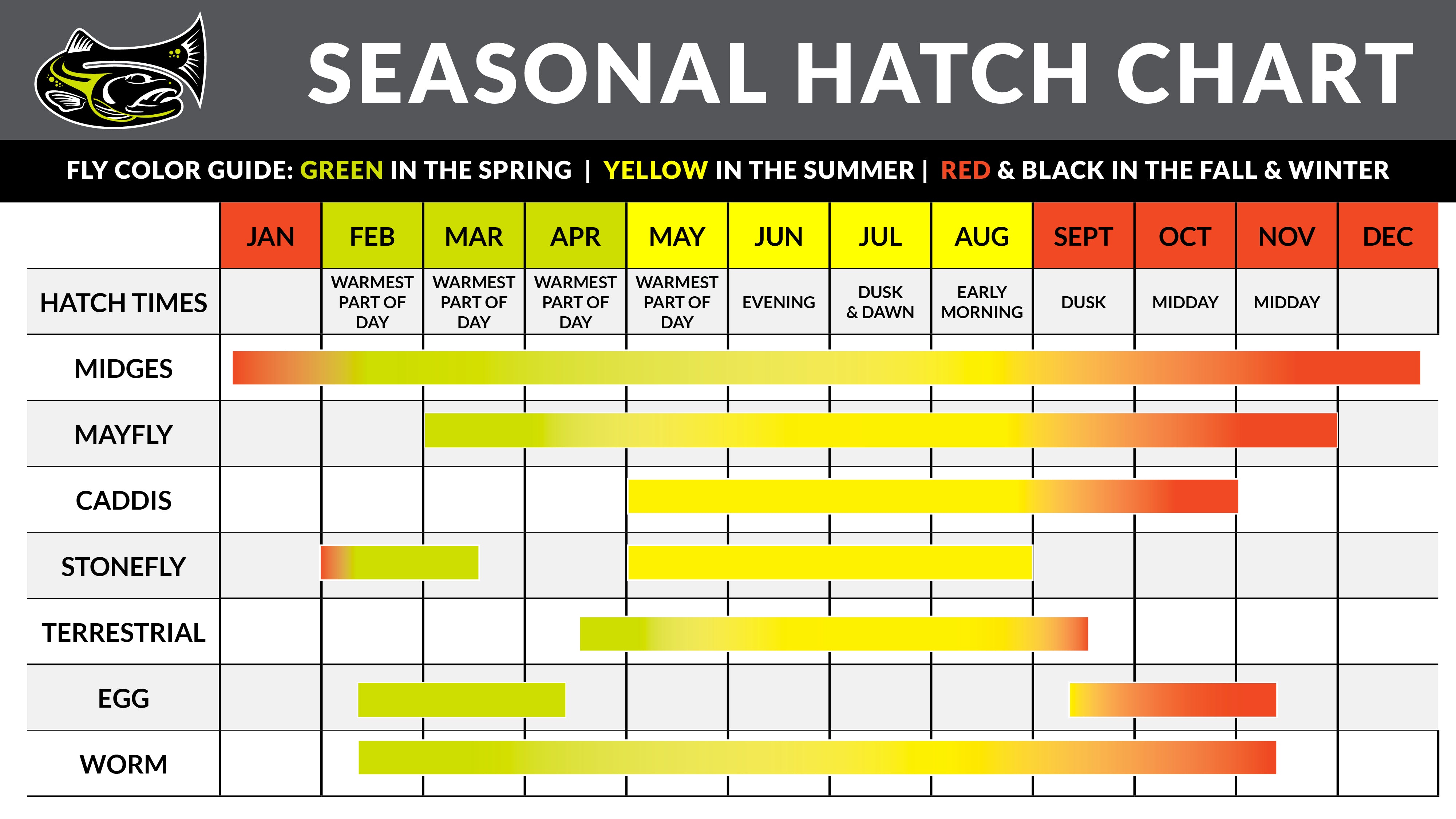
Here is a simple overview of common stillwater depth ranges throughout the year:
These are not rigid rules, but they provide a strong starting point when approaching unfamiliar water.
The key takeaway is simple: if your fly is not traveling through the correct depth zone, retrieve style and fly pattern become far less important.
Countdown Technique Fundamentals
The foundation of effective stillwater fishing is the stillwater countdown method. This system allows anglers to estimate how deep their flies are traveling before beginning the retrieve. The process starts with understanding sink rate.
Most sinking fly lines are rated in inches per second (IPS). For example:
- Type III line = roughly 3 IPS
- Type V line = roughly 5 IPS
- Intermediate line = roughly 1–2 IPS
This measurement tells you approximately how quickly the line sinks under normal conditions. Once you know your sink rate, you can estimate depth using a simple formula:
Seconds counted × sink rate = approximate depth
For example:
10 seconds × 2 IPS = roughly 20 inches of sink
Or:
20 seconds × 5 IPS = roughly 100 inches, or about 8 feet

While this is not perfectly precise, it provides a highly effective system for repeatable presentations. The most important part of the countdown process is consistency. If you retrieve after a 15-second countdown and catch fish, you can immediately repeat that exact depth on the next cast.
This removes guesswork and creates a repeatable pattern. Many experienced stillwater anglers mentally divide the water column into zones. They may begin with short countdowns near the surface, then progressively fish deeper until they contact fish.
This systematic approach dramatically improves efficiency compared to randomly changing flies or retrieve speeds.
Learning how to count down sinking lines properly is one of the fastest ways to improve stillwater catch rates.
For more ways to systematically work through a lake, check out our guide to 20 tips for fly fishing in lakes, including how to adjust depth, retrieve speed, and sinking lines.
Matching Line Choice to Water Depth
Different sinking lines allow anglers to target different portions of the water column efficiently. Intermediate lines are ideal for shallow water, weed beds, and slow retrieves. Because they sink gradually, they maintain a more level presentation during the retrieve.
Type III and Type V lines are better suited for deeper water and faster sink requirements. In very deep lakes, full sinking lines help anglers maintain consistent depth throughout the retrieve rather than allowing flies to rise unnaturally toward the surface.
Floating lines can still be effective when fishing indicators, chironomids, or shallow structure, but active retrieves often benefit from sinking systems. Matching line type to target depth is one of the core principles of effective sinking line tactics.

Retrieve Styles and When to Use Each
Once your flies reach the desired depth, retrieve style determines how naturally they move through the water. Different retrieves imitate different prey items and trigger different feeding responses.
The most successful stillwater anglers vary retrieve cadence constantly until trout reveal a preference.
Hand-Twist Retrieve
The hand-twist retrieve is one of the most effective and versatile stillwater techniques. This retrieve involves slowly twisting the line with your fingers while maintaining continuous tension.
The movement is subtle, smooth, and highly controlled. Hand-twist retrieves work exceptionally well for:
- Chironomids
- Leeches
- Small nymphs
- Balanced flies
Because the fly moves slowly and steadily, it remains in the strike zone longer. This retrieve is particularly productive during cold-water conditions when trout feed less aggressively. Many anglers underestimate just how slow a productive retrieve can be. Often, barely moving the fly is enough.
If you need to round out your subsurface patterns, the Guide Nymphs Fly Fishing Kit gives you a broad selection of nymphs for working different depths and feeding conditions.

Slow Strip Retrieve
The slow strip retrieve creates slightly more movement and is useful when trout are actively searching for food. This method involves short, steady pulls separated by brief pauses.
It excels with:
- Damsel nymphs
- Leeches
- Baitfish patterns
- Swimming nymphs
The pause is often the trigger point.
Many strikes occur immediately after the fly stops moving because the sudden hesitation mimics vulnerable prey. In warmer water or during aggressive feeding periods, slow strips often outperform extremely subtle retrieves. This is one of the most effective retrieve speeds for stillwater trout during active feeding windows.
For anglers fishing leeches and baitfish patterns this way, the Streamer Surge Fly Fishing Kit gives you a ready-to-fish selection of streamer patterns for covering water at different speeds and depths.

Lift-and-Drop Retrieve
The lift-and-drop retrieve imitates ascending insects or wounded prey rising through the water column. The technique involves slowly raising the rod tip before allowing the fly to fall naturally again.
This presentation works especially well for:
- Chironomid pupae
- Emerging insects
- Balanced leeches
- Suspended trout
The falling motion frequently triggers strikes because it resembles helpless prey. This retrieve becomes highly effective near weed edges or suspended fish holding above deeper structure.
Understanding when to switch retrieve styles is one of the defining skills of advanced lake retrieve systems.
Reading Takes at Depth
Stillwater strikes are often far subtler than river takes. Because there is no current creating tension automatically, anglers must pay close attention to small signals.
Some strikes feel aggressive and unmistakable. Others barely register at all. Learning to detect these subtle takes is critical.
Watch for:
- Slight line hesitation
- Tiny directional changes
- Unexpected slack
- Gentle taps
- Increased tension
Finger contact with the fly line dramatically improves strike detection. Many experienced stillwater anglers lightly pinch the line against the cork handle during retrieves to maximize sensitivity.
Visual line watching also becomes important. If your line suddenly stops sinking early, moves sideways unexpectedly, or straightens unnaturally, set the hook immediately.
Trout often inhale flies softly at depth before ejecting them quickly. This is why developing sensitivity is so important when fishing different depths effectively.

Wind, Drift, and Depth Control
Wind is one of the most influential factors in stillwater fishing.
Even moderate wind changes:
- Fly depth
- Retrieve speed
- Line tension
- Boat position
- Trout location
Wind often pushes food into specific sections of a lake, concentrating feeding trout. At the same time, it can create unwanted slack or alter sink angles during the countdown process.
In windy conditions, maintaining consistent depth requires additional awareness. Allow slightly longer countdowns if the wind creates line belly. Keep rod angles lower to maintain better contact. Use more deliberate retrieves when drift speed increases.
Learning to adapt your countdown system to changing wind conditions is essential for consistent success.

Building a Repeatable Stillwater System
The best stillwater anglers do not rely on guesswork. They build systems. One of the simplest ways to improve consistency is by tracking productive combinations.
Keep notes about:
- Countdown length
- Retrieve speed
- Fly pattern
- Water depth
- Weather conditions
- Time of day
Patterns emerge quickly. You may discover that trout consistently feed at 10 feet during cloudy mornings or respond better to slow hand-twist retrieves during cold fronts.
These observations dramatically shorten the learning curve on future trips. Journaling becomes especially valuable when returning to familiar lakes year after year. Over time, your records create a blueprint for seasonal success.
Combining Depth and Structure
Depth alone rarely tells the full story. The most productive presentations combine proper depth with productive structure.
For example:
- A 10-foot countdown over a featureless basin may produce nothing
- The same depth along a weed edge or drop-off may produce consistent strikes
This is where stillwater fly fishing structure and countdown systems work together. If you are still learning where trout tend to hold in lakes, our beginner’s guide to stillwater fly fishing covers drop-offs, inlets, reefs, and other areas worth targeting first.
Use your countdown method to probe:
- Weed edges
- Drop-offs
- Points
- Shelves
- Inlet transitions
Systematically cover different zones until fish reveal their preferred holding depth. Once you identify both depth and structure, repeatability improves dramatically.

Common Stillwater Depth Mistakes
Many anglers unknowingly sabotage their presentations with inconsistent depth control. One of the biggest mistakes is beginning the retrieve too soon. Without adequate countdown time, flies remain above feeding fish.
Another common problem is changing retrieves constantly before confirming depth. Depth usually matters first. Retrieve style fine-tunes the presentation afterward. Fishing too quickly is another frequent issue.
Stillwater trout often prefer slower presentations than river anglers expect. Patience consistently catches more fish. Finally, many anglers fail to repeat successful countdowns accurately.
If a fish eats after an 18-second countdown, duplicate it exactly. Precision matters.
Dial In Depth and Speed
Mastering the stillwater countdown method transforms stillwater fishing from random searching into controlled, repeatable strategy.
By understanding sink rates, targeting specific depth zones, and matching retrieve styles to trout behavior, anglers can consistently locate active fish throughout the water column.
The key is combining three elements:
- Accurate depth control
- Consistent retrieve cadence
- Structural awareness
Once these systems work together, lakes become far easier to read and fish effectively.
Dial in depth and speed—Drifthook’s custom Lake Fly Box featuring balanced damsel and leech patterns helps anglers maintain precise presentations during countdown retrieves.
For a deeper understanding of underwater structure, revisit Stillwater Basics: Finding Structure in Open Water. To continue building your stillwater approach, move next into Lake Box Essentials.

About the Author
This guide was written by Matthew Bernhardt, a Colorado-based angler with more than 35 years of fly fishing experience. He is the founder and owner of Drifthook Fly Fishing, which he has operated since 2015.
Matthew has spent years fishing both rivers and stillwater, learning how trout respond to changing depth, water temperature, and seasonal conditions.
His goal is to help anglers make fly fishing simpler and more approachable, with practical techniques they can use on the water.