As summer fades and water temperatures begin to drop, trout behavior changes. The fast, aggressive feeding that can occur during warmer months often gives way to slower, more deliberate movement. That does not mean trout stop feeding. Instead, anglers may need to adjust how they present a nymph and, more importantly, how they detect the subtle takes that can occur in cooling water.

This is where fall nymphing techniques become especially important. Contact nymphing gives you a direct connection to the flies, helping you recognize small changes in tension, movement, or the leader before a trout can spit the fly. With the right rod angle, controlled tension, and appropriate drift speed, fall tight line nymphing can remain highly effective as conditions transition toward winter.
The key is to stop expecting every strike to feel like a sharp tug. In colder water, the most important information may be a hesitation, a slight straightening of the line, or a movement that simply does not match the current.
How Cooling Water Changes Trout Behavior
Water temperature has a major influence on trout activity. As temperatures fall, trout generally become less active and conserve energy. Their movements can become more deliberate, and they may spend more time in areas where current provides access to food without requiring excessive energy expenditure.
Understanding how trout behave in cooling water helps explain why strike detection becomes so important. A trout may take a nymph and barely move. Instead of feeling a strong pull, you may notice the sighter pause or the leader shift slightly.

This does not mean every unusual movement is a fish. Current, rocks, vegetation, and changes in depth can all affect a contact rig. The goal is to become familiar with the normal rhythm of your drift so you can recognize when something changes.
During cold water fly fishing, pay close attention to where trout are holding. Deeper runs, slower seams, and softer edges can become increasingly important as fish look for efficient feeding positions.
Tippet selection also matters. A tippet that is excessively stiff can transmit movement differently and may interfere with a natural drift. A softer, appropriately sized tippet can provide useful flexibility while still maintaining enough control for effective contact.
You are looking for a balance between sensitivity and presentation.
Adjusting Rod Angle and Tension for Cooling Water
Rod angle is one of the simplest variables to change when using contact nymphing techniques.
During warmer conditions, you may naturally fish with a higher rod position while maintaining contact with the flies. As the water cools and trout become less aggressive, slightly lowering the rod angle can help create a more controlled connection to the rig.
The goal is not to hold the rod in one exact position. Instead, adjust it according to the distance, depth, current speed, and position of the flies.

Think of the rod as an extension of your leader.
A high rod angle can give you more vertical control and help keep line off the water. A slightly lower angle can provide a more direct connection when you are fishing close to the surface or tracking a slower drift.
During contact nymphing fall tips, avoid creating excessive tension. If the line is constantly pulling the flies downstream, you may be moving them faster than the surrounding current.
Your connection should be firm enough to detect changes but relaxed enough to let the flies move naturally. For a closer look at managing that balance, our guide to tight line nymphing techniques explains how to maintain contact and recognize takes in mixed currents.
Summer vs. Fall Rod Position
In faster summer water, a higher rod position may help manage complex currents and keep excess line elevated.
In cooler fall water, especially when trout are holding in slower seams, lowering the rod slightly can help maintain a more direct connection without forcing the flies through the strike zone.
The adjustment is subtle. You are not trying to eliminate all movement. You are trying to eliminate unnecessary movement.
Drift Speed Adjustments
One of the biggest mistakes anglers make during seasonal transitions is assuming that the same drift speed will work throughout the year.
As trout become less active, a slower presentation can often be more appropriate. This does not necessarily mean allowing the flies to drag along the bottom. Instead, think about maintaining a near-neutral drift while staying connected enough to detect a take.
Your flies should move naturally with the water while your leader remains controlled.

This is particularly important when applying slow water nymph tactics. In soft current, excessive tension can cause the flies to move unnaturally. Too much slack, however, can make subtle takes nearly impossible to detect. The sweet spot is somewhere between those extremes.
Imagine a nymph entering an inside seam. Instead of pulling it aggressively downstream, lead it slightly and allow the current to carry the flies through the slower water. Maintain enough connection to feel changes without overpowering the drift. That is the difference between controlling the fly and controlling it too much.
Correcting the Lead
A common mistake is to lead the flies too quickly through slow water. The angler sees the line moving and assumes the drift is under control, but the flies are actually traveling faster than the surrounding current.
A better approach is to reduce the amount of lead and allow the flies to remain in the current longer. Maintain light tension and follow the drift with the rod tip.
If the flies move naturally while you remain connected, you are much more likely to detect a subtle take.
Detecting Subtle Takes in Fall
Strike detection in fall is often about recognizing what should not be happening.
- The sighter may pause.
- The leader may straighten slightly.
- The line may twitch.
- The rod tip may hesitate.
A piece of vegetation may create a similar sensation, which is why experience matters. When you know how your rig normally behaves as it moves through different depths and currents, unexpected changes become easier to recognize.
Do not wait for a dramatic tug. If something looks or feels unusual, lift the rod smoothly and check. With contact nymphing, this is often the most effective habit you can develop.

Learning to Recognize Micro-Takes
A useful training exercise is to spend a few minutes fishing water where you can clearly observe the sighter or leader.
Watch how it moves when the flies are drifting normally. Then intentionally introduce small changes in tension. Notice how the leader responds when the flies slow, speed up, or contact the bottom.
This teaches you what normal looks like.
Another useful drill is to fish familiar water repeatedly. Instead of focusing entirely on catching fish, pay attention to every pause and change in tension. Eventually, you begin to recognize differences between bottom contact and potential strikes.
That experience becomes extremely valuable during fall tight line nymphing, when a trout may barely move after taking the fly.

Hook-Setting Technique in Fall
Hook-setting technique should also change as water temperatures fall. An aggressive vertical strike can pull the fly away from the trout or create unnecessary movement through the rig. It can also be difficult to control when fishing larger nymphs or multiple flies. A smoother lateral set is often a better option.
When you detect a potential take, move the rod to the side while maintaining tension. The movement should be quick enough to drive the hook home but controlled enough to avoid ripping the fly away.
These cold water hook set adjustments are particularly useful when trout are taking softly. Think "firm and smooth" rather than "hard and fast."
Common Fall Mistakes
One common mistake is fishing too fast. If trout are moving slowly, a presentation that worked during summer may pass through the feeding zone before fish have a chance to react.
Another mistake is allowing too much slack. Slower takes require better contact, and excessive slack can prevent you from recognizing them.
Fishing too heavy can also be a problem. While you need enough weight to reach the desired depth, excessive weight can cause the flies to bounce unnaturally along the bottom.
Finally, do not assume every pause is a fish. Learn to distinguish between bottom contact, current changes, and actual takes.
Adjusting Depth as Water Cools
Temperature changes can also influence where trout hold. As conditions shift, fish may move toward deeper or slower water where they can conserve energy while remaining close to food.
This makes depth control especially important. If your flies are consistently riding above the fish, adding a small amount of weight or adjusting your leader can help. If you are constantly hanging up, reduce weight or change your angle.
The goal is not simply to fish as deep as possible. The goal is to put the flies where trout are feeding. If you are unsure whether to change weight or fly spacing, our guide to two-fly depth control explains how those adjustments work together to keep your nymphs in productive water.

Choosing Flies for Cooling Water
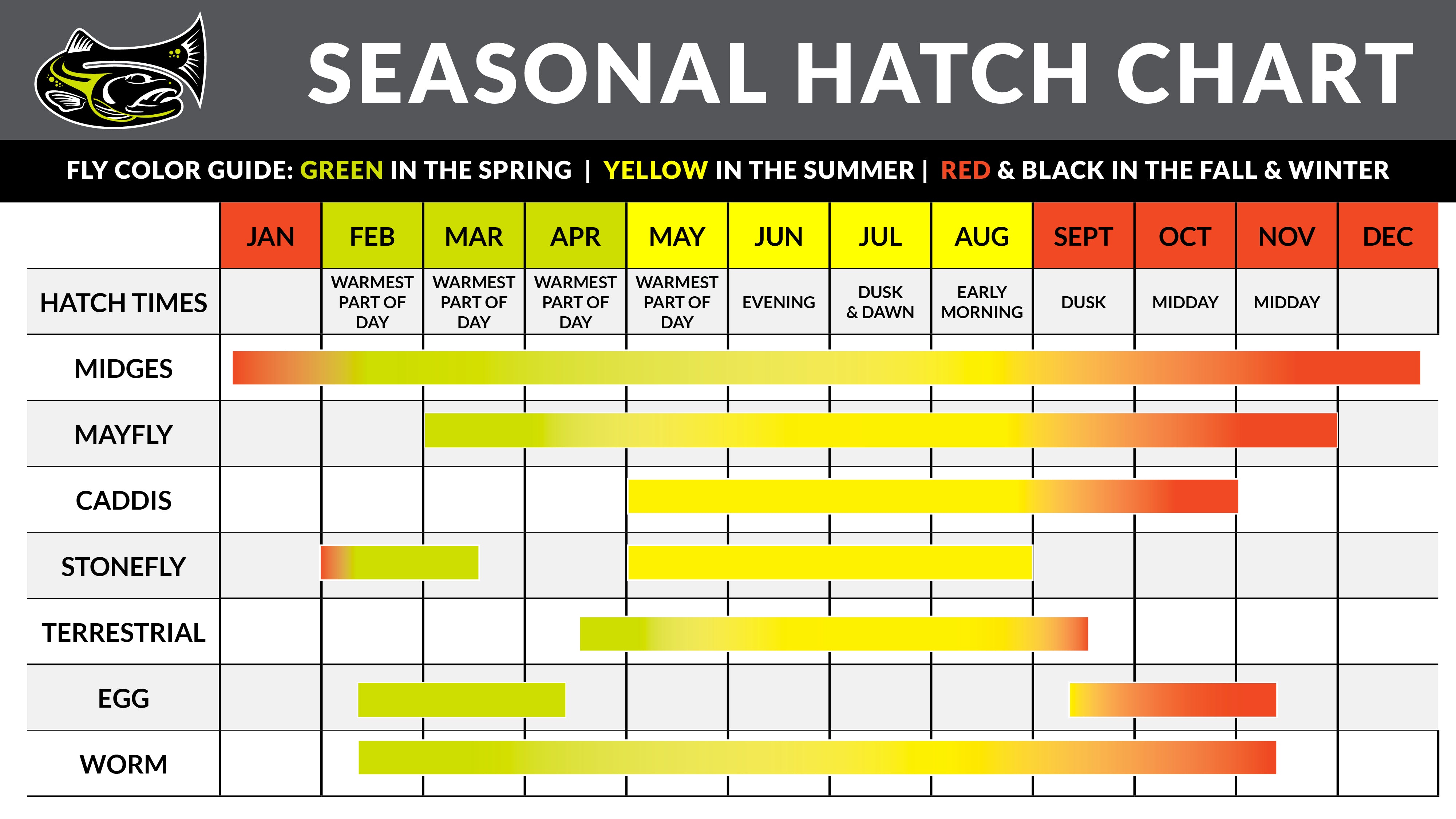
Fall nymph selection should reflect both available food and trout behavior.
Stoneflies, caddis, mayfly nymphs, and other subsurface patterns can all play a role depending on the river. Larger profiles may become increasingly useful during certain fall transitions, while smaller patterns can still be important when trout are selective.
A balanced nymph box allows you to adjust rather than committing to one pattern.
For contact nymphing, the Drifthook Euro Nymphing Kit gives you a selection of barbless tungsten bead-head nymphs in a labeled fly box, making it easy to change patterns as you work different depths and currents.
Staying Connected Without Dragging
Contact nymphing is often misunderstood as simply keeping the line tight.
In reality, effective contact means maintaining enough connection to detect a take while allowing the flies to behave naturally.
If your flies constantly swing unnaturally toward you, you may have too much tension. If you cannot detect anything happening below the surface, you may have too much slack. The best drift exists between those extremes.
As fall progresses, learning to feel this balance becomes one of the most valuable fall nymphing techniques you can develop.
When to Switch to Indicator Nymphing
Contact nymphing works well when you can stay close enough to control the drift and watch your sighter. But some water is easier to fish with an indicator.
If trout are holding across a wide run, beyond comfortable rod reach, or in a deep pool where maintaining contact pulls your flies out of position, try indicator nymphing. An indicator can help you extend the drift while keeping your nymphs near the feeding zone.

Adjust your nymph rig setup by adding a small indicator and setting the depth so your flies reach the fish. Make a few drifts, then adjust depth and weight based on what you observe. Occasional bottom contact can help confirm your depth, but repeated snags mean you should make an adjustment. For help choosing your nymph rig setup, explore our guide to nymphing rigs for fly fishing, including indicator and two-fly options you can adjust for different water.
Mend gently to limit drag, and watch for more than a full dunk. A pause, sideways movement, or slight dip can signal a take. Set promptly with a controlled lift.
Let the water guide your choice. Stay with contact nymphing when you can maintain a natural drift and recognize subtle changes. Switch to an indicator when added reach or a longer drift helps you fish the holding water more effectively.
If you want more pattern options for your indicator rig, the Drifthook Guide Nymphs Kit includes 120 hand-tied nymphs in a labeled, double-sided fly box, so you can keep your selection organized as you adjust to what trout are eating.
Final Thoughts on Contact Nymphing in Fall
Cooling water does not eliminate the opportunity to catch trout. It simply changes the way you need to approach them.
Slower trout often require slower presentations, better depth control, and more attention to subtle signals. Lowering the rod slightly, maintaining near-neutral tension, and learning to recognize micro-takes can improve your connection throughout the drift.
The most important lesson is to pay attention to the normal movement of your rig. When you understand how the flies behave in the current, you can recognize when something changes.
Cold water demands sensitivity—Drifthook's Euro Nymph Kit gives you the control needed to detect and convert subtle fall takes.

About the Author
Matthew Bernhardt is a Colorado-based angler with more than 35 years of experience fly fishing Western rivers. He is the founder and owner of Drifthook Fly Fishing, which he has operated since 2015.
Matthew helps anglers make better decisions on the water, from adjusting nymph depth and drift to recognizing subtle takes. His approach focuses on practical techniques that build confidence as trout behavior and river conditions change.