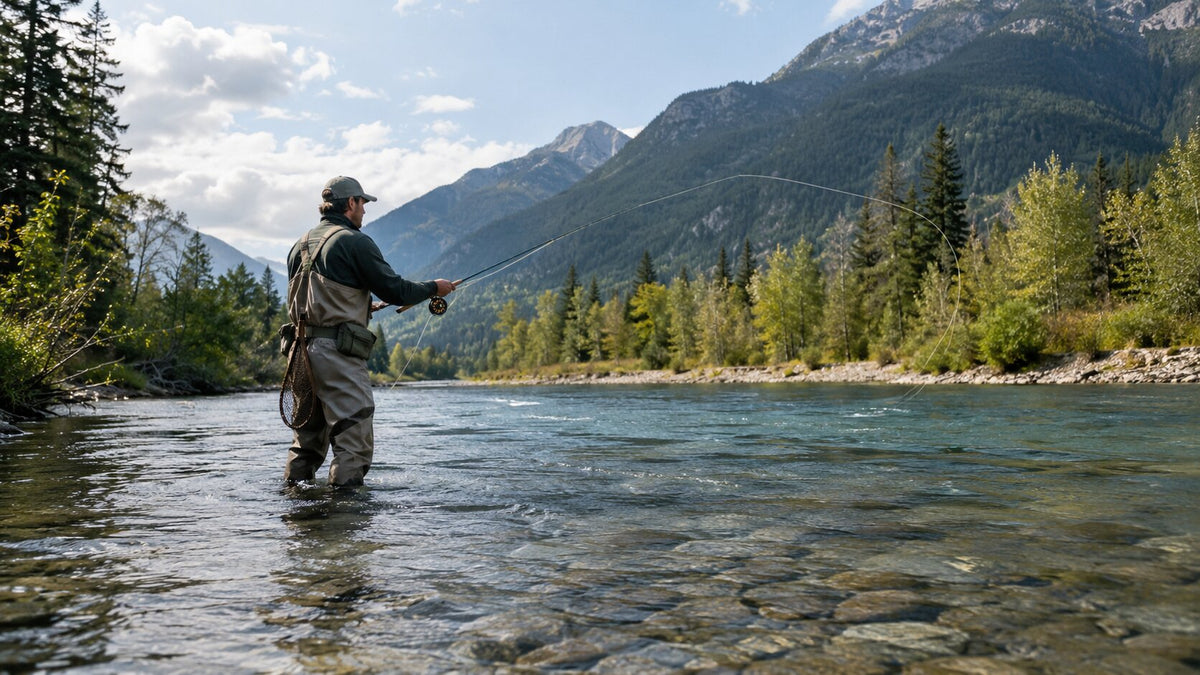
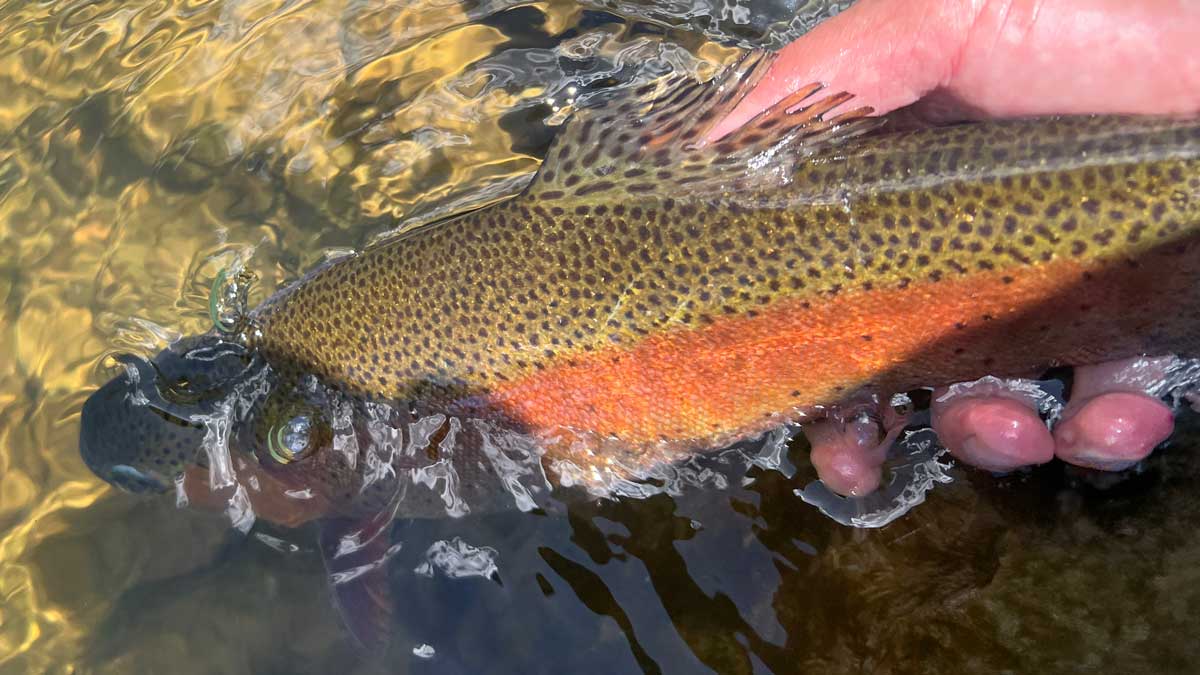
Streamer fishing asks you to approach trout water a little differently. Instead of relying entirely on a fly drifting naturally into a feeding lane, you are actively searching for fish that may respond to a larger, moving target. The presentation becomes less about waiting for a trout to make the first move and more about giving the fish a reason to react.
That shift is at the heart of effective streamer fishing strategies. You are covering water, testing different depths, reading structure, and changing retrieve speed based on what the river tells you. Fall can be an especially productive time to experiment with this approach because changing water temperatures, shorter days, increased cloud cover, and seasonal trout movement can all create opportunities for streamer presentations.
Streamer fishing does not have to mean fishing fast or aggressively all day. In fact, some of the most effective fall presentations are slow and controlled. The goal is to understand how your streamer moves and learn how trout respond to it.

The Mindset Shift Behind Streamer Fishing
Many trout techniques are built around presenting food where a fish is already comfortable feeding. Nymphing, for example, often focuses on getting the fly into the correct feeding lane and allowing the current to do much of the work. Dry-fly fishing similarly depends on presenting an imitation naturally enough that a trout chooses to rise.
Streamer fishing gives you more control over the interaction.
You can cast toward a bank, allow the fly to sink, and retrieve it past a likely holding area. You can swing it across a seam, strip it through deeper water, or pause it beside structure. Rather than waiting for trout to find your fly, you're actively searching for fish.
That's the mindset behind streamer fishing. It's not about rushing through water or stripping your fly as fast as possible. It's about identifying likely holding areas, making deliberate casts, and adjusting your presentation based on how trout respond.
Of course, there are times when a more natural presentation works better. Rising trout may call for a dry fly, while fish feeding near the bottom may respond better to nymphs. Having a selection like the Guide Nymphs Fly Fishing Kit gives you another option when trout aren't interested in chasing streamers.
But when you're looking to cover water, explore deeper structure, or target larger trout, streamers let you take a more active approach.
And remember, every cast doesn't need to produce a strike. A follow, a bump, a short chase, or even a trout changing position can tell you something about how fish are responding. Pay attention to those responses.
Key Situations Where Streamers Excel
Streamers can be useful throughout the year, but fall provides several situations where they deserve a place in your rotation. Overcast weather can make trout more comfortable moving through shallow or exposed water. Increased flow can reposition fish toward banks and softer current. Fall brown trout may also become more willing to move as seasonal behavior changes.
The best approach is not to assume that every cloudy day will produce a streamer bite. Instead, look for a combination of conditions that gives trout both an opportunity and a reason to move.
Overcast skies, moderate water temperatures, increased flow, and structure-rich banks can all be worth exploring.

Scenario One: An Overcast Fall Morning
Imagine arriving at a river on a cool, cloudy morning. The water is slightly higher than it was the previous week, and the banks contain deep pockets, submerged rocks, and shaded edges. Rather than immediately starting with a small nymph rig, you decide to test the margins with a medium-sized olive streamer.
Your first casts are directed toward the bank. You allow the fly to sink briefly before using short strips to move it through the deeper edge. After several casts, a trout follows but does not commit. That follow is useful information.
Instead of immediately changing flies, slow the retrieve. Give the trout more time to track the streamer. On the next few casts, work slightly deeper water. This is a practical example of how fall streamer tips can be applied. You are not simply casting repeatedly. You are using each response to refine your presentation.

Scenario Two: Rising Water and Fall Browns
Now consider a river that rises after moderate rainfall.
The additional water changes the current and can push trout toward softer edges, inside bends, banks, and areas behind larger structure. These locations can become excellent places to test streamers because trout may use them as holding and ambush areas.
This can be particularly interesting when targeting brown trout in fall.
Fall brown trout often change their holding positions as water temperatures drop. Understanding where these fish move and when they become active can help you put your streamer in front of larger trout. Learn more in our guide to targeting brown trout in fall.
Instead of wading deep into the strongest current, work the edges first. Cast upstream or across the current depending on the structure, allow the streamer to reach the desired depth, and retrieve it through the softer water.
The goal is to put the fly where a trout can intercept it without requiring the fish to cross a large amount of fast current.

Choosing the Right Streamer Pattern
You do not need dozens of streamer patterns to get started. A compact selection covering different shapes, sizes, and colors can handle a wide variety of fall situations.
When choosing among the best streamers for fall trout, think about what the fly represents and how you want it to move.
Sculpins, leeches, and baitfish provide three useful starting points. Choosing the right streamer is only part of the equation. How you rig and present that fly can make just as much of a difference. Our guide to streamer fishing for big trout breaks down proven patterns, rigs, and techniques for targeting larger fish.
Sculpins
Sculpins are bottom-oriented prey that are often associated with rocky river environments. Their profile makes them particularly useful around boulder fields, deeper banks, ledges, and other structure where a trout may expect to find them.
For fall, olive and tan are practical colors when you want a natural appearance. A medium-sized sculpin pattern can be a versatile starting point, particularly in clear or moderately stained water.
Fish the pattern close to structure, but do not feel that you need to drag it directly across the bottom. A controlled sink followed by short strips can keep the fly near the zone where trout are likely to see it.
If you repeatedly hang up, adjust your angle, retrieve speed, or sink time before simply abandoning the pattern.

Leeches
Leeches offer a long, flowing profile and can be effective when trout are willing to move toward a larger meal.
Black is a particularly useful color in low-light conditions because it creates a strong silhouette. Olive can provide a more muted, natural appearance when water clarity is good.
A leech can also be a good choice when you want a streamer that does not require a highly aggressive retrieve. Its movement can come from the current, pauses, and subtle strip motions.
This makes leeches particularly adaptable to changing fall conditions.

Baitfish
Baitfish patterns provide a different shape and movement. They can be useful when small minnows or other forage fish are present and trout are positioned to intercept them.
Tan and olive are useful natural colors, while darker patterns can provide contrast in low light and murky waters.
Size should be based on the available forage and the behavior of the trout. Bigger is not automatically better. A medium-sized baitfish pattern may be easier for a cautious trout to track and commit to than an oversized fly.
When choosing a baitfish pattern, consider not only the fly's size but also how it moves when stripped, paused, and allowed to swing.

Retrieval Styles That Trigger Chases
Once you have selected a streamer, the next question is how to move it.There is no single perfect retrieve. Water temperature, depth, current speed, fly size, and trout response should all influence your cadence.
The most useful streamer retrieval techniques give you several options rather than locking you into one rhythm. Start with a moderate retrieve and pay attention.
If the streamer appears too fast for the conditions, slow it down. If the fly looks lifeless, add more movement. If a trout follows without eating, change the cadence before changing everything else.
Jerk Strip
The jerk strip retrieve uses short, distinct pulls separated by brief pauses. The fly accelerates, stops, and then moves again. This can imitate a prey item attempting to escape or a wounded baitfish struggling through the current.
The speed should match the conditions. In relatively comfortable water temperatures, moderate strips with short pauses can create an active presentation. As water cools, lengthen the pauses and reduce the speed if trout appear reluctant to chase.
This is where aggressive streamer retrieves need some context. Aggressive does not necessarily mean fast. A streamer can trigger a strong response because of its sudden movement, change in direction, or appearance rather than simply because it is being stripped quickly.
Slow Strip and Pause
The Slow Strip and Pause retrieve is almost the opposite approach. Allow the streamer to sink, then move it slowly with occasional pauses. During the pause, let the fly settle or drift naturally for a moment before beginning the next movement.
This approach can be especially effective when water temperatures drop below 50°F, as trout may become less willing to chase fast-moving streamers. When temperatures fall into the low 40s, slow your retrieve even further, using short strips and longer pauses to keep your fly in the strike zone.
A stream thermometer can help take the guesswork out of your presentation. Start slow in colder water, then adjust your retrieve based on how trout respond.
If the fly is moving through the strike zone too quickly, slow it down. If trout are following but refusing to commit, experiment with longer pauses.

The Downstream Swing
The downstream swing is a simple way to cover water without constantly stripping your streamer.
Cast across the current or slightly downstream, allowing the fly to sink before the current pulls it across the river. Keep your rod tip low and follow the fly as it swings through likely holding areas.
This approach works particularly well along seams, deeper runs, and current breaks where trout may be waiting to ambush prey.
You can adjust the speed of the swing by changing your casting angle or mending your line. Once the fly finishes its swing, give it a couple of short strips before picking up for your next cast. Sometimes trout will follow a streamer all the way through the swing before striking.
After covering a section, take a few steps downstream and repeat. This allows you to systematically work through productive water without making the same cast over and over.

Covering Water Efficiently
One of the greatest advantages of streamer fishing is the ability to search large sections of water.
But covering water does not mean making random casts everywhere. Read the river first.
Look for banks, drop-offs, deep slots, submerged rocks, seams, undercut edges, and areas where fast and slow currents meet. These locations can provide cover and feeding opportunities for trout.
Once you identify a likely ambush point, make a deliberate cast toward it.
Fan Casting
Fan casting is one of the simplest ways to systematically search water. Start with a cast toward the closest productive target. After retrieving the fly, change your casting angle slightly and work the next lane.
Continue moving the angle until you have covered the area in front of you. The important point is to avoid making every cast identical. A series of slightly different angles allows the streamer to travel through different parts of the water column.
Once you have covered the useful lanes, move downstream and begin again.

Bank-to-Structure Casting
Another effective pattern is to work from the bank toward deeper structure. Start with a short cast near the edge. Then gradually extend the cast farther toward the seam or deeper water.
This allows you to cover the closest fish before making longer casts that might disturb fish holding farther away. It also helps you understand where trout are positioned.
If you receive a follow near the bank, continue working that zone. If the activity occurs farther out, adjust your casting pattern accordingly.

Reading Structure for Ambush Points
A streamer becomes more effective when you understand why a trout would be positioned in a particular location. Imagine a large boulder sitting in the middle of the river. Fast water moves around it, but the area immediately behind the rock is softer.
A trout can hold in that softer water while watching food move through the current. That makes the downstream edge of the boulder a logical streamer target. The same principle applies to deep banks.
A trout can hold close to the bank where depth, shade, and slower current provide security. A streamer moving parallel to that edge can cross directly through the fish's potential strike zone.
When developing streamer fishing strategies, stop thinking only about where you can cast. Think about where a trout can comfortably sit.
Casting Angles Matter
Casting angle changes how a streamer enters the water and how long it remains in a productive zone.
An upstream cast gives the fly time to sink before moving downstream. A cross-current cast can create a broader swing. A downstream presentation can keep the streamer moving toward structure with less immediate resistance from the current. There is no universally correct angle. The best choice depends on where you believe the fish is holding.
If you are targeting a deep bank, a slightly upstream-and-across cast can allow the fly to sink before it moves past the holding area.
If you are working a broad seam, a cross-current cast may let the streamer sweep through multiple potential lanes. Experiment with angles before assuming the fly itself is the problem.
Floating Line vs. Sink Tip Fly Line for Streamers
Choosing the right fly line can make a big difference in how effectively you reach trout holding at different depths.
A floating line works well when fishing streamers along shallow banks, riffles, and softer edges. It gives you better control over your presentation and makes it easier to adjust your retrieve without dragging the fly too deep.
When trout are holding in deeper runs, pools, or along submerged structure, a sink tip fly line can help get your streamer into the strike zone. The sinking portion pulls the fly deeper while the floating section allows you to maintain control of your retrieve.

Start by considering the depth and current speed. In shallow water, a floating line with a weighted streamer may be all you need. In deeper or faster water, a sink tip can help keep your fly closer to where trout are holding.
Remember, the goal isn't always to fish deeper. It's to keep your streamer at the right depth long enough for a trout to see it and react.
Your fly line is only one part of an effective streamer setup. Leader length, tippet strength, and rigging also influence how your fly moves through the water. For a closer look at these details, check out our guide to fly line setups for trout.
What to Do When a Trout Follows
A follow is one of the most useful pieces of feedback streamer fishing provides. If a trout follows the fly but does not eat, resist the temptation to immediately speed up the retrieve.
Instead, change one variable. Slow the fly. Pause it. Change direction. Alter the casting angle. Try a slightly different size.
Changing one variable at a time makes it easier to understand what the fish is responding to. If several fish follow the same pattern without committing, that may suggest the profile is correct but the movement needs adjustment.
If nothing responds after covering several productive areas, consider changing the pattern or moving to a different type of water.

When to Fish Bigger or Smaller
Streamer size should match the conditions rather than follow a rigid rule. Larger streamers can provide a substantial profile and may be worth trying when visibility is reduced or when you are specifically searching for larger prey responses.
Smaller streamers can be more appropriate when water is clear, trout are cautious, or the available forage is small.
In fall, a medium-sized streamer is often a useful starting point because it gives you enough profile without becoming unnecessarily difficult for trout to commit to. Let the river provide the final answer.
Don't Confuse Movement With Speed
One of the most important lessons in streamer fishing is that movement and speed are not the same thing.
- A streamer can move dramatically while still traveling relatively slowly.
- A short strip followed by a pause creates movement without forcing the fly across the river.
- A swing changes direction without requiring a fast retrieve.
- A slow retrieve through deep water can keep the streamer moving while giving trout plenty of time to follow.
This distinction is especially useful when learning how to fish streamers in fall. Cooling water may reduce the willingness of trout to chase long distances, but that does not mean they will ignore a well-presented streamer.
Knowing When to Move
Streamer fishing works best when each cast has a purpose.
- If you have thoroughly covered a productive bank without a response, move.
- If you receive a follow, slow down and investigate that area.
- If a certain structure produces repeated activity, spend more time there.
- If an entire section appears lifeless, continue downstream.
This active approach allows you to collect information rather than simply accumulating casts. You are learning where trout are willing to move and what kind of movement attracts their attention.

Building a Fall Streamer System
A practical fall streamer box does not need to contain every pattern available. Start with a few sculpins, leeches, and baitfish patterns. Carry natural colors such as olive and tan along with darker black patterns for contrast and low-light conditions.
Then vary size and weight. A lighter streamer can be useful in shallow water or when you need a slower sink. A heavier pattern can reach deeper structure more quickly. Having these options allows you to adjust the presentation without completely changing your approach.
Having the right selection of streamers makes it easier to adapt to changing conditions. Our Streamer Surge Fly Fishing Kit includes 35 hand-tied streamers covering sculpins, leeches, and baitfish, giving you a variety of profiles and colors to target trout throughout the fall season.
Final Thoughts: Hunt With a Plan
Streamer fishing becomes much more productive when you stop thinking of it as simply casting a large fly and retrieving it quickly. The real advantage is control. You control where the fly enters the water. You control its depth, speed, cadence, and direction. You can cover water systematically and respond directly to what trout do.
That is the practical value of a trout hunting mindset. You are not trying to force a reaction. You are creating opportunities for trout to respond and using those responses to make better decisions.
Start with productive structure. Use fan casting or a swing-and-step approach to cover water. Adjust your retrieve according to temperature and fish behavior. When a trout follows, treat that response as information. And remember that the most effective streamer fishing strategies are often the simplest: make a good cast, get the fly where trout can see it, move it convincingly, and pay attention. Stop waiting—start hunting.

About the Author
This guide was written by Matthew Bernhardt, founder and owner of Drifthook Fly Fishing and a lifelong Colorado angler.
Matthew has built his fly fishing experience on rivers throughout the West, refining techniques for targeting trout with streamers, nymphs, and dry flies. Through Drifthook, he shares practical advice on reading water, understanding trout behavior, and improving fly presentation to help anglers catch more fish with confidence.