When rivers slow down and cold weather keeps most anglers off the water, winter becomes the perfect window to rebuild your nymph setup for spring. Instead of scrambling on opening day—untangling old leaders, breaking off fish on brittle tippet, or discovering your reel hasn’t been serviced in years—you can use the off-season to reset your entire system.

A proper winter tune-up is more than basic cleaning. It’s a full reset of your rig, from fly line to fly box. This guide walks you through practical, step-by-step off-season fly fishing maintenance so your nymph setup is efficient, reliable, and ready when flows rise and fish start feeding aggressively again.
By the end, you’ll have a clear plan for rebuilding your nymph rig for spring—without guesswork.
Why the Off-Season Is the Best Time to Rebuild a Nymph Rig
The single best time to rebuild nymph setup spring anglers rely on is when you’re not actively fishing.
During the season, maintenance becomes reactive. You replace tippet after break-offs. You swap flies when something rusts. You wipe grit off your line only after it starts sticking in the guides. Winter gives you the space to work proactively.
Off-season fly fishing maintenance helps you:
-
Extend the life of expensive gear
-
Prevent unexpected failures during peak hatches
-
Improve line control and strike detection
-
Eliminate weak links in your nymph system
More importantly, winter maintenance improves consistency. Nymph fishing is about feel, contact, and control. Any friction in your guides, memory in your line, or degraded leader material directly affects sensitivity.
Winter gear prep is also far more thorough. You’re not rushed. You can take reels apart properly, stretch and inspect lines, test knots, and rebuild rigs from scratch instead of patching old ones.
If you plan to fish seriously in early spring—especially during cold, technical conditions—this is the time to dial in every detail.
Many of the same positioning patterns you’ll see early in the year mirror what happens during winter nymphing in frozen flows, so having your system ready ahead of time pays off quickly.

Off-Season Nymph Rig Setup Checklist: Rebuilding Your System from Rod to Fly
A full refresh starts at the rod and works its way down to the fly.
This process is the backbone of rebuilding nymph rig systems that perform cleanly under spring conditions.
Clean Rod Guides and Blank
Dirty guides create resistance and wear fly line faster than most anglers realize.
Start by:
-
Wiping down the entire rod blank with warm water and a soft cloth
-
Cleaning each guide with a cotton swab
-
Checking for grooves, cracks, or bent frames
Run a short piece of old tippet through every guide. If it catches or frays, the guide is damaged and should be replaced before spring.
Clean guides improve line control and reduce friction—both critical for tight-line and indicator nymphing.

Cleaning Fly Reels the Right Way
Properly cleaning fly reels is one of the most overlooked off-season fly fishing tasks.
Even freshwater reels accumulate:
-
Silt
-
Fine sand
-
Algae residue
-
Old lubricant buildup
Basic reel maintenance:
-
Remove the spool
-
Rinse the spool and frame with fresh water
-
Use a soft brush or toothbrush to remove debris
-
Dry thoroughly
-
Apply a light, reel-safe lubricant to moving parts only
Avoid over-lubricating. Too much oil traps dirt and causes drag issues later.
If your reel uses a sealed drag system, follow the manufacturer’s recommendations. If it’s an open system, inspect the drag surfaces carefully for contamination.
A smooth, consistent drag becomes more important in spring when fish are stronger and flows are higher.

Inspect Backing and Arbor Connections
Before you reinstall your fly line, inspect your backing.
Look for:
-
Fraying
-
Flattened sections
-
Mold or discoloration
Pay special attention to the knot connecting the backing to the fly line. If there is any doubt, cut and retie it.
Backing failures don’t happen often in nymph fishing—but when they do, they’re catastrophic.

Fly Line Care and Deep Cleaning
Fly line performance is critical for strike detection and drift control. Proper fly line care restores slickness and improves mending.
The best way to clean fly line is simple:
-
Strip the entire line off the reel
-
Wipe it with warm water and mild soap
-
Rinse thoroughly
-
Dry completely
-
Apply a fly line dressing if recommended
Avoid household cleaners and aggressive solvents.
The best way to clean fly line is slow and gentle. You are removing grit—not stripping coatings.
Once clean, stretch the entire line gently to remove memory. This improves line handling and reduces coiling in cold spring water.
Rebuilding Leaders and Tippet Size for Trout Before Spring
No part of your system degrades faster than the leader and tippet material.
If you’re rebuilding your nymph rig for spring, this is one step you won’t want to skip.
Replace Old Tippet Spools
Tippet material degrades through:
-
UV exposure
-
Heat
-
Time under tension
If you don’t remember when you bought a spool, it should not be part of your spring setup.
A practical tippet replacement schedule:
-
Heavily used diameters: replace yearly
-
Lightly used diameters: replace every two to three seasons
-
Any spool that feels stiff or chalky: replace immediately
This is one of the simplest ways to rebuild nymph setup spring reliability without changing anything else.

Rebuilding a Two-Fly Rig for Spring: Spacing and Structure
Rather than recycling last season’s leaders, winter is the best time to rebuild your standard nymph leaders from scratch.
Create at least two ready-to-fish systems:
-
Indicator nymph leader
-
Tight-line or Euro-style leader
This allows you to switch methods quickly during spring runoff and changing water clarity.
Replace all terminal sections and rebuild:
- Butt section
- Transition sections
- Sighter (if used)
- Tippet section
- Two fly rig spacing (12–24 inches)
- Dropper tag length (if used)
Even if your old leader “looks fine,” the micro-abrasion accumulated during the season weakens it significantly.

Practice Knot Efficiency
Cold fingers, rising fish, and changing light are not the time to practice knots.
During winter gear prep:
-
Tie your core knots repeatedly
-
How long does it take you to complete each one cleanly
-
Practice trimming tags tight and flush
Focus especially on:
-
Blood knots
-
Triple surgeon’s knots
-
Tippet ring connections
-
Dropper tag placement
Knot efficiency reduces rigging downtime and eliminates weak transitions between materials.
This is one of the most productive off-season fly fishing tasks you can do indoors.

Organizing Your Nymph Selection for a Spring-Ready Two-Fly Setup
Your fly box directly reflects how efficient your spring fishing will be.
Rebuilding nymph setup spring readiness is incomplete without fly organization.
Purge Rust and Damaged Hooks
Open every nymph box and remove:
-
Rusted hooks
-
Blunted points
-
Cracked beads
-
Bent shanks
Even light corrosion weakens hooks and reduces penetration.
A clean box increases confidence and reduces hesitation when selecting patterns.

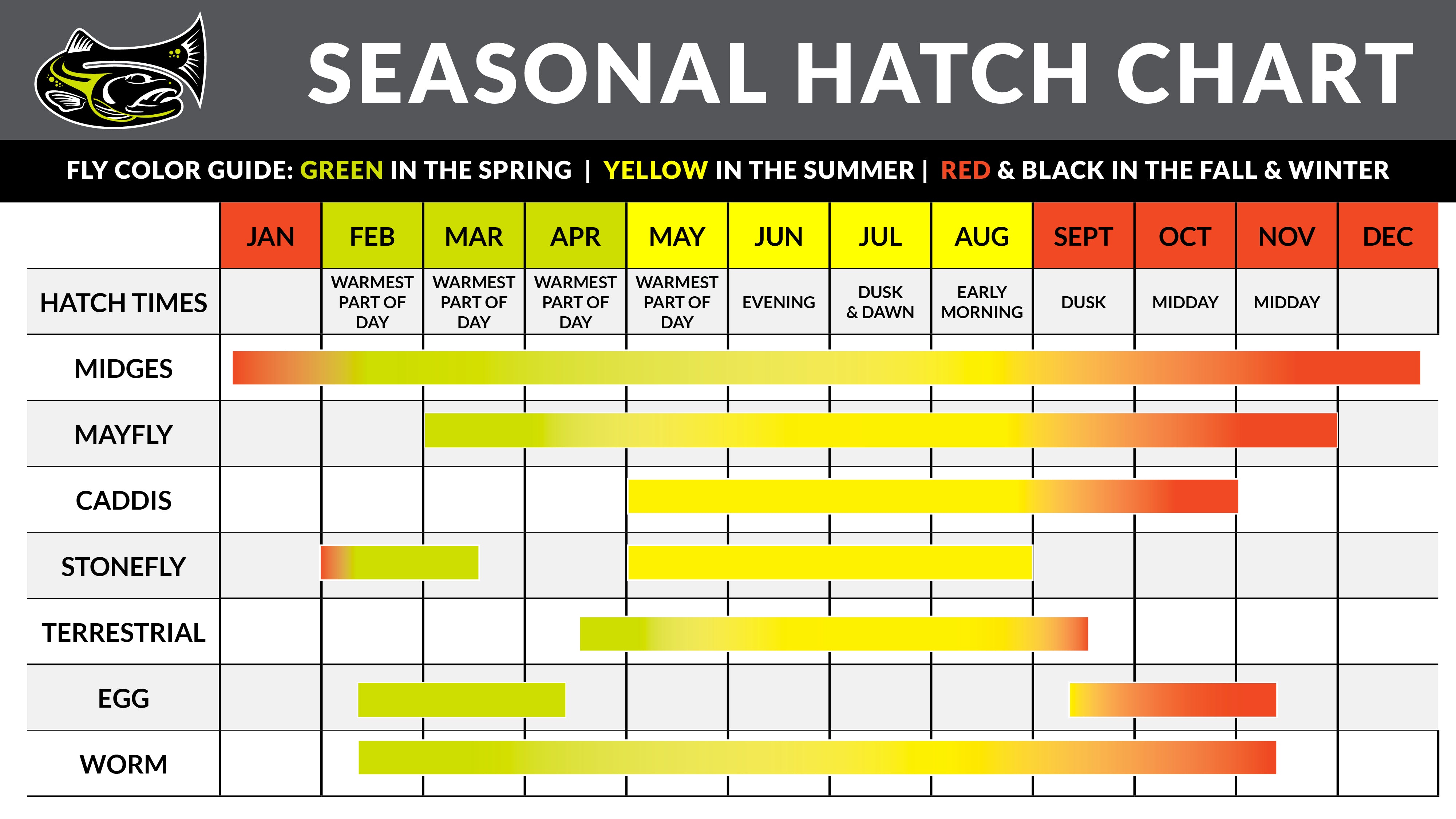
Match Spring Hatch Cycles
Reorganize flies around early-season food sources:
-
Midges
-
Baetis
-
Small mayfly nymphs
-
Scuds and sowbugs
-
Early stoneflies
If your box needs updating, start with these best winter nymphs for trout to make sure your early-season selection is dialed in.
Group flies by size and profile instead of brand or color.
This improves decision-making when water temperatures and insect activity change rapidly in spring.
If you are still running mixed boxes from summer, fall, and winter, your selection process slows dramatically when it matters most.

Build Dedicated Nymph Selection Boxes
Consider separating:
-
Small technical nymphs
-
Heavy anchor flies
-
Attractor nymphs
This makes rebuilding nymph rig setups on the river far more efficient, especially when adjusting depth quickly.
If you haven’t already, this is also a great time to check your waders first by reviewing your inspection and repair routine in: Wader Care & Repair: Stop Leaks Before They Start.
Dry gear and functional storage work together.

Testing Your Off-Season Nymph Rig Setup for Trout
Once your gear is clean, refreshed, and reorganized, it’s time to test the system.
This is the step most anglers skip.
Line Stretch and Memory Tests
Strip your line across the floor or down a hallway.
Look for:
-
Persistent coils
-
Flat spots
-
Surface cracks
Stretch the line gently and allow it to relax. If severe memory returns quickly, the coating may be compromised.
This directly affects drift, mending, and strike detection.

Indoor Rig Assembly and Balance
Build your complete nymph rig indoors:
-
Leader
-
Sighter
-
Tippet
-
Weight
-
Indicator (if used)
-
Two-fly setup
Hang the rig and observe:
-
How the flies align
-
How droppers sit
-
Whether knots seat cleanly
-
Whether tag ends interfere with movement
This reveals spacing and balance issues before you’re standing in cold water trying to fix them. If you want to go deeper on depth control, review how deep to fish nymphs in winter so your rebuilt rig matches real on-water conditions.

Casting and Contact Practice
If space allows, perform light casting practice indoors or in a yard.
Focus on:
-
Roll casts
-
Short-range water-load movements
-
Line pickup and reset motions
This reinforces muscle memory and highlights whether your rebuilt leader and fly line combination turns over cleanly.
At this stage, the goal isn’t distance—it’s confidence and clean turnover.
Reel Function and Tension Check
Reinstall your fly line and test:
-
Retrieve smoothness
-
Spool alignment
-
Drag startup resistance
Any hesitation during startup will show up as break-offs when fish surge.
Cleaning fly reels earlier helps, but final testing ensures nothing shifted during reassembly.
How a Proper Off-Season Nymph Rig Setup Improves Spring Success
Spring fishing tends to highlight small weaknesses in your setup. For a broader look at fishing tactics once you’re back on the water, see our complete guide to cold-water nymphing strategies.
Cold water magnifies:
-
Poor knot strength
-
Degraded tippet
-
Sticky line
-
Contaminated reels
When you rebuild nymph setup spring performance in winter, you remove these variables before the first hatch even starts.
You also free mental space on the water.
Instead of thinking about:
-
Whether your tippet will hold
-
Whether your line will mend properly
-
Whether your fly box has the right patterns
You can focus on:
-
Reading water
-
Adjusting depth
-
Managing drift
-
Detecting subtle takes
This is where consistency comes from.
Build a Repeatable Off-Season System
Rather than treating winter gear prep as a one-time project, build a repeatable checklist.
A simple off-season fly fishing maintenance routine might include:
-
Full rod and guide cleaning
-
Deep reel cleaning and lubrication
-
Backing inspection
-
Fly line wash and dressing
-
Complete leader and tippet rebuild
-
Knot practice session
-
Fly box purge and reorganization
This transforms winter downtime into productive preparation.
Gear and tactics work best when developed together.
Kick off spring ready to fish—Drifthook Tools and Guide Nymphs keep your system dialed.
The Drifthook River Side kits make clean cuts, fast adjustments, and knot work easier during both prep and on-water rig changes, while the Guide Nymph Assortment gives you a dependable, spring-ready selection to stock your refreshed fly boxes.
Rebuild Now, Fish Better Later
Winter doesn’t have to be downtime—it can be a chance to reset your system.
If you commit to rebuilding your nymph setup for spring through proper cleaning, leader and tippet replacement, fly line care, reel servicing, and fly box organization, you eliminate the most common causes of early-season frustration.
Rebuilding nymph rig systems in the off-season creates:
-
More reliable hookups
-
Cleaner drifts
-
Better strike detection
-
Fewer lost fish
Most importantly, it lets you start the season focused and confident instead of reactive.
The work you do now is invisible on the water—but it shows up in every drift.

About the Author
This guide was written by Matthew Bernhardt, a Colorado-based angler with over 35 years of experience fishing Western rivers, including the Colorado, Arkansas, and Blue River. He is the founder and owner of Drifthook Fly Fishing, which he has operated since 2015.
Matthew specializes in trout rigging systems, leader construction, and technical nymphing presentations. Over decades of fishing high-altitude tailwaters and freestone rivers, he has field-tested dozens of leader and tippet configurations across varying water clarity, flow rates, and seasonal conditions.
His focus is helping anglers build efficient, reliable fly fishing systems so they spend less time adjusting gear and more time fishing effectively.