Fall changes the rhythm of fly fishing. Summer crowds begin to thin, water temperatures cool, and trout adjust their feeding locations. For anglers willing to change tactics, the transition creates opportunities that can be harder to find during the busiest months of the year.
The timing varies across the United States. High-elevation rivers in Montana, Wyoming, and Colorado can feel like winter by late October, while lower-elevation streams and tailwaters may fish well into November. Pacific Northwest fisheries and Great Lakes tributaries provide entirely different options.
Whether you want to chase brown trout with streamers, work a technical tailwater with nymphs, or explore a steelhead tributary, the best fall fly fishing destinations depend on your travel dates, target species, preferred techniques, and current river conditions. Use this guide to compare trout fishing travel options and decide whether a guided fly trip makes sense.

Explore Fly Fishing Destinations
Jump to a region to explore rivers, seasonal fishing opportunities, and trip-planning tips.
Why Fall Is Prime Travel Season for Fly Anglers
Popular rivers often see less recreational traffic as summer vacations wind down. Cooler conditions can improve some trout fisheries after periods of warm summer water, but fish do not automatically move into deeper water. They still seek a useful combination of comfortable temperature, cover, food, and manageable current.
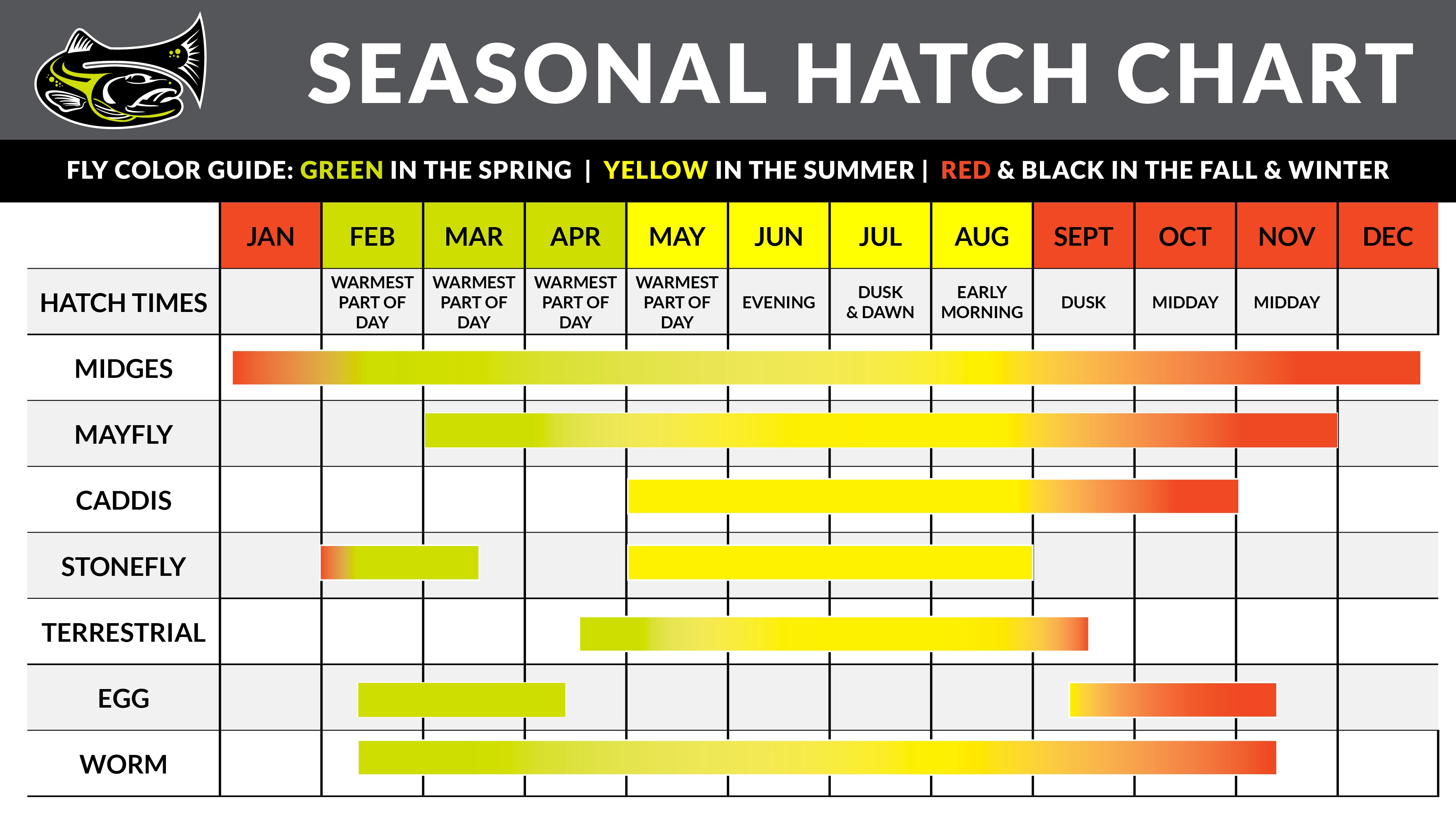
Brown trout may become more active around cover and structure ahead of their fall spawn, making streamers worth carrying. Fall mayflies, including blue-winged olives (BWOs), along with midges and remaining caddis activity, can create productive opportunities for nymph and dry-fly anglers.
A morning streamer session might lead to midday nymphing and a brief afternoon hatch. Weather remains the wildcard: rain can change flows and clarity, while freezing nights can limit access and influence feeding activity. Build flexibility into any late-season itinerary.

Best Late-Season Fly Fishing Destinations in the U.S.
These regions offer a mix of freestone rivers, tailwaters, lakes, and migratory fisheries. The suggested travel windows are general starting points, not guarantees of access or fishing quality. Check current flows, forecasts, regulations, and local reports before leaving.
Northern Rockies: Montana and Wyoming
Yellowstone River, Montana
Best planning window: September to October. Target species: brown and rainbow trout. Approach: streamers, nymphs, and fall mayflies. The Yellowstone offers long stretches of varied water, with deeper banks, current edges, and structure worth exploring as fall progresses.
If your trip is focused on bigger fish, our guide to targeting brown trout in fall explains how to identify productive holding water and adjust your presentation.

Madison River, Montana
Best planning window: September to October. Target species: brown and rainbow trout. Approach: BWO dries, small nymphs, and streamers. The Madison provides varied water, but some sections and seasonal periods have special restrictions. Verify the rules for your intended reach.

Gallatin River, Montana
Best planning window: September to early October, with colder conditions later. Target species: rainbow and brown trout. Approach: nymphs, mayflies, and occasional streamers. This smaller river offers walk-and-wade opportunities, though weather and access can change quickly.

Missouri River, Montana
Best planning window: September through November, conditions permitting. Target species: rainbow and brown trout. Approach: midges, BWOs, sowbugs, scuds, and carefully controlled nymph presentations. The Missouri tailwater can offer fishing later than many high-elevation freestones, with technical feeding fish and changing fall winds.
For unfamiliar tailwaters, carrying an assortment of nymphs helps you adapt without spending the trip sorting through loose flies. The Guide Nymphs Fly Fishing Flies Kit includes 120 hand-tied nymphs organized by pattern in a double-sided water-resistant box.

Green River, Wyoming
Best planning window: September to October. Target species: brown and rainbow trout, varying by section. Approach: nymphs and streamers, with dry flies during suitable hatches. Choose the specific Green River reach before planning because access, flows, and fish populations vary.

North Platte River, Wyoming
Best planning window: September through November on suitable sections. Target species: rainbow and brown trout. Approach: nymphing and streamers. The river includes different tailwater and freestone settings, so research the exact stretch rather than treating the North Platte as a single fishery.

Pacific Northwest: Idaho, Oregon, and Washington
South Fork Snake River, Idaho
Best planning window: September to October. Target species: cutthroat, rainbow, and brown trout. Approach: streamers, nymphs, and seasonal dries. Fall can offer productive current seams and runs, but managed flows can change the character of a float or wade trip.

Henrys Lake, Idaho
Best planning window: September to October, weather permitting. Target species: cutthroat trout, cutthroat-rainbow hybrids, and brook trout. Approach: leeches, nymphs, and lake-specific presentations. Boat access and wind conditions matter here more than they do on many rivers. Check current regulations, including special closures near spawning tributaries such as Hatchery Creek and Staley Springs.

St. Joe River, Idaho
Best planning window: September to early October. Target species: westslope cutthroat trout. Approach: small dry flies, terrestrials early in the season, and nymphs. Upper reaches can cool rapidly and become harder to reach late in fall.

Clearwater River, Idaho
Best planning window: Fall, subject to steelhead rules and returns. Target species: migratory steelhead. Approach: presentations suited to current flows and legal methods. This is a different trip from resident trout fishing; consult Idaho Fish and Game for current steelhead seasons, limits, and section-by-section requirements.

Deschutes River, Oregon
Best planning window: Fall for eligible resident trout opportunities, subject to current rules. Target species: resident trout; steelhead only where and when legally open. Approach: techniques vary by species and river section. The Deschutes is a landmark Pacific Northwest river, but anglers must not assume fall steelhead fishing is open. For 2026, Oregon closed steelhead angling on affected sections from August 15 through December 31. Check the Oregon Department of Fish and Wildlife regulation updates before making plans.

Metolius River, Oregon
Best planning window: September through November, with variable weather. Target species: rainbow trout; bull trout are also present. Approach: small nymphs, dries, and streamers where allowed. The spring-fed water offers comparatively stable temperatures, but bull trout rules and special area restrictions require close attention.

Yakima River, Washington
Best planning window: September to October. Target species: rainbow trout. Approach: nymphs, streamers, and seasonal dry flies. Check flow releases and local access conditions when planning wade or float fishing.
Colorado Rockies
Colorado provides options across several elevations. Higher freestone stretches can become icy by late fall, while selected tailwaters often remain accessible. Focus on the exact river reach and check flows before committing to a drive.
Frying Pan River
Best planning window: September through November. Target species: brown and rainbow trout. Approach: midges, small mayflies, precise nymphing, and occasional streamers. Expect clear water and fish that reward careful presentations.

South Platte River
Best planning window: September through November on accessible tailwaters. Target species: brown and rainbow trout. Approach: small nymphs, midges, BWOs, and careful streamer presentations. Different sections have different regulations and access options.

Colorado River
Best planning window: September to October, with lower-elevation options later. Target species: brown and rainbow trout. Approach: nymphs and streamers. The Colorado covers a broad range of elevations and water types; choose your section based on access and flow conditions.

Roaring Fork River
Best planning window: September through November, conditions permitting. Target species: brown and rainbow trout. Approach: nymphs and streamers along deeper banks, current breaks, and structure. Watch flows and avoid disturbing spawning brown trout.
If you enjoy searching for bigger trout with streamers, the Streamer Surge Fly Fishing Flies Kit provides 35 hand-tied streamers for trying different profiles and retrieves on unfamiliar water.

Arkansas River
Best planning window: September to October, with some lower-elevation opportunities later. Target species: brown and rainbow trout. Approach: fall mayflies, nymphs, and streamers. Weather and water temperature vary considerably between upper and lower sections.

Great Lakes Tributaries
Great Lakes trips revolve around rainfall, streamflow, and migratory fish movement. Steelhead and lake-run brown trout are not interchangeable with resident trout fisheries, and fishing may be restricted near spawning fish or in designated waters. Verify legal methods and access before you travel.
Pere Marquette River, Michigan
Best planning window: October to November. Target species: steelhead and brown trout, varying by reach and timing. Approach: legal nymph, egg, and streamer presentations. Regulations and spawning protections differ by section.

Au Sable River, Michigan
Best planning window: September to October, with some special-regulation opportunities beyond. Target species: predominantly brown trout. Approach: streamers and nymphs where allowed. Several reaches have special tackle and catch-and-release rules, and brown trout possession seasons vary. Review the rules for the exact stretch you plan to fish.

Manistee River, Michigan
Best planning window: October to November. Target species: steelhead and brown trout. Approach: nymphs, streamers, and other permitted tactics. Runs and seams can hold migrating fish when flows are suitable.

Muskegon River, Michigan
Best planning window: October to November. Target species: steelhead and brown trout. Approach: presentations adapted to current levels. Autumn rain and dam releases can change flows quickly, so monitor conditions.

Lake Erie Tributaries, Pennsylvania
Best planning window: October to November, depending on rain and migration timing. Target species: steelhead. Approach: small nymphs, egg imitations where allowed, and other effective legal presentations. Small tributaries can change from low and clear to high and muddy after storms.

Southeast Tailwaters
Tailwaters in Tennessee and nearby states can provide late-season trout opportunities when northern high-elevation fisheries become difficult. Confirm water-release schedules before wading: flows can increase rapidly below dams.
South Holston River, Tennessee
Best planning window: October through November. Target species: brown and rainbow trout. Approach: midges, BWOs, small nymphs, and emergers. Clear water and selective feeding fish reward long, accurate drifts.
When trout feed just below the surface, emergers can be a useful alternative to changing dry flies repeatedly. The Pro Emergers Fly Fishing Flies Kit offers an assortment of patterns for fishing those transitions.

Watauga River, Tennessee
Best planning window: October through November. Target species: brown and rainbow trout. Approach: nymphs, midges, and occasional dry flies. Check scheduled dam releases and safe access.

Clinch River, Tennessee
Best planning window: October through November. Target species: rainbow and brown trout. Approach: small flies and precise presentations in clear water. Dam releases can change wading conditions quickly.

Jackson River, Virginia
Best planning window: October through November, depending on flow and local regulations. Target species: brown and rainbow trout. Approach: nymphs, small dries, and streamers. Review public-access rules carefully because access is not uniform along the river.

Davidson River, North Carolina
Best planning window: September through November. Target species: brown, rainbow, and some brook trout, depending on section. Approach: small nymphs, dries, and stealthy presentations. Regulations vary between designated reaches.

Should You Book a Guided Fly Fishing Trip?
If you are visiting a river for the first time, hiring a local guide can make a big difference, especially during fall when conditions change quickly. Guided fly trips provide local insight into flows, seasonal hatches, productive access, and techniques that are working right now.
Montana, Wyoming, Colorado, and Idaho all have established fly fishing outfitters offering float trips, walk-and-wade trips, and instruction. The best format depends on your experience, the river, and the season.

What to Look for When Booking a Guide
Ask which species you are likely to target, whether the trip is a float or wade experience, what equipment is provided, and how weather or water conditions affect cancellation policies. Make sure the outfitter is properly licensed or permitted where required, and ask about alternative waters if your first-choice river becomes unfishable.
For anglers planning their first trout fishing travel experience, a guide can help shorten the learning curve. Even experienced fly fishermen benefit from a day spent learning local holding water, seasonal feeding behavior, and effective presentations.

What to Expect Weather-Wise
Fall conditions can change dramatically between September and November. Mountain destinations can experience frost, snow, icy roads, and short daylight hours, while eastern tributaries may see heavy rain and fast-rising flows.
Dress in layers: a moisture-managing base layer, insulating midlayer, and waterproof shell. Bring gloves, a warm hat, dry backup socks, and emergency clothing. Choose wader insulation based on the water temperature, not just the daytime air forecast.
Check weather and road reports as well as river gauges. If you are traveling to a high-elevation destination, keep an accessible alternative in mind in case a storm changes the plan.

Essential Tactics for Late-Season Success
Good fall fishing starts with finding the correct water and presentation, not with assuming one fly will work everywhere. Trout may hold along seams, in deeper runs, near cover, or wherever food is being delivered efficiently.
Nymphing is a strong starting point when fish are feeding below the surface. Adjust weight, leader length, fly spacing, and drift so the flies pass through the feeding zone without constantly snagging bottom. Our two-fly depth control guide explains how to fine-tune these adjustments.
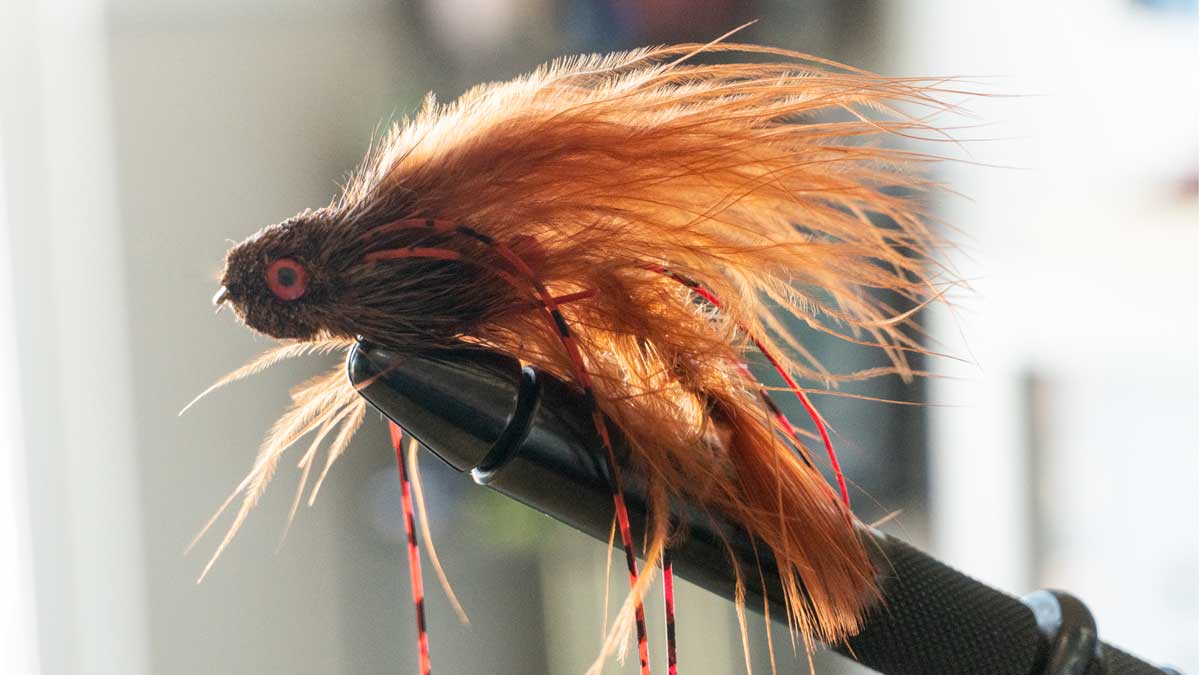
Streamers are worth carrying when searching for larger trout or covering unfamiliar water. Try varying retrieve speed, pauses, depth, and casting angle based on current and fish response. For more examples, read our streamer fly fishing tactics for trout.
Egg imitations may work where naturally drifting eggs are available and their use is legal. Avoid targeting actively spawning fish and never wade through redds, the gravel nests where trout lay eggs. Follow local rules for gear, seasons, and protected spawning areas.
Plan a Flexible Late-Season Trip
The best destination is not necessarily the most famous river. It is the one that fits your schedule, target species, preferred fishing style, and tolerance for changing weather.
Whether you are planning a guided trip to Montana, a weekend on a Colorado tailwater, or a late-season getaway farther east, do your homework before leaving. Check the weather, confirm current regulations, and pack flies that let you adjust when conditions change.
A little planning goes a long way, especially when you are fishing somewhere new.

About the author:
Matthew Bernhardt is the founder of Drifthook Fly Fishing and a Colorado-based fly fisherman with a passion for exploring trout water across the American West. Growing up fishing Colorado's rivers, Matthew developed a practical approach to understanding trout behavior, seasonal conditions, and the techniques that consistently produce results.
Through Drifthook, he shares fishing tips, destination guides, and proven fly selections to help anglers spend less time guessing and more time catching fish. Whether exploring new rivers or returning to familiar water, his focus is on helping fly fishermen make the most of every trip.