Summer changes what trout look for. As grass grows tall along the banks, insects become more active, and warm weather pushes terrestrial activity into high gear, trout often start paying closer attention to what is happening above the water.
That makes terrestrial fly fishing for trout one of the most effective and exciting ways to target summer fish. Instead of imitating insects that live primarily in the water, you are imitating land-based insects that accidentally become trout food.
Grasshoppers jump from vegetation. Ants fall from branches and grasses. Beetles tumble from bushes and trees. When one lands on the water, a trout may see an easy meal.
The key is knowing which terrestrial to use, where trout expect to find it, and how to make the fly look like a natural insect rather than an artificial fly.

What Are Terrestrials and Why They Matter
Terrestrials are land-based insects that end up in the water. Unlike mayflies, caddisflies, and stoneflies, they do not begin their lives as aquatic insects. They live on land and become trout food when wind, movement, or gravity puts them on the surface.
The most important summer terrestrial flies for trout include hoppers, ants, and beetles. Each has a different profile and behavior, so learning the differences can make your fly selection much easier.
Hoppers are large, noticeable insects that can create a significant disturbance when they hit the water. Ants are much smaller and usually make a subtle entrance. Beetles fall somewhere in between, often creating a compact silhouette that trout recognize around wooded or brush-lined banks.
Summer is particularly productive because warm weather increases terrestrial activity. Grasshoppers become abundant in fields and grasses, ants become active around vegetation, and beetles move through trees and bushes along the river.
Wind can make the situation even better. A breeze blowing across a grassy field can knock hoppers toward the water. Wind moving through overhanging trees can drop ants and beetles into the current.
This gives trout a steady supply of food that does not require a traditional aquatic hatch.

When Terrestrials Can Outfish Aquatic Insects
Terrestrials can become especially effective when a mayfly or caddis hatch is weak, inconsistent, or completely absent. Trout do not stop eating simply because there is no major hatch happening. They continue looking for whatever food is easiest to find.
A second situation occurs on windy summer days. If you notice insects being blown from vegetation toward the river, a terrestrial can become a more realistic food source than the aquatic insects you might normally imitate.
Terrestrials can also shine when trout have become accustomed to seeing them. On rivers bordered by grass, trees, weeds, or brush, land insects can become a regular part of a trout's diet throughout the summer.
That is when a hopper, ant, or beetle stops being a backup fly and becomes one of your primary patterns.
When to Fish Hoppers, Ants, and Beetles
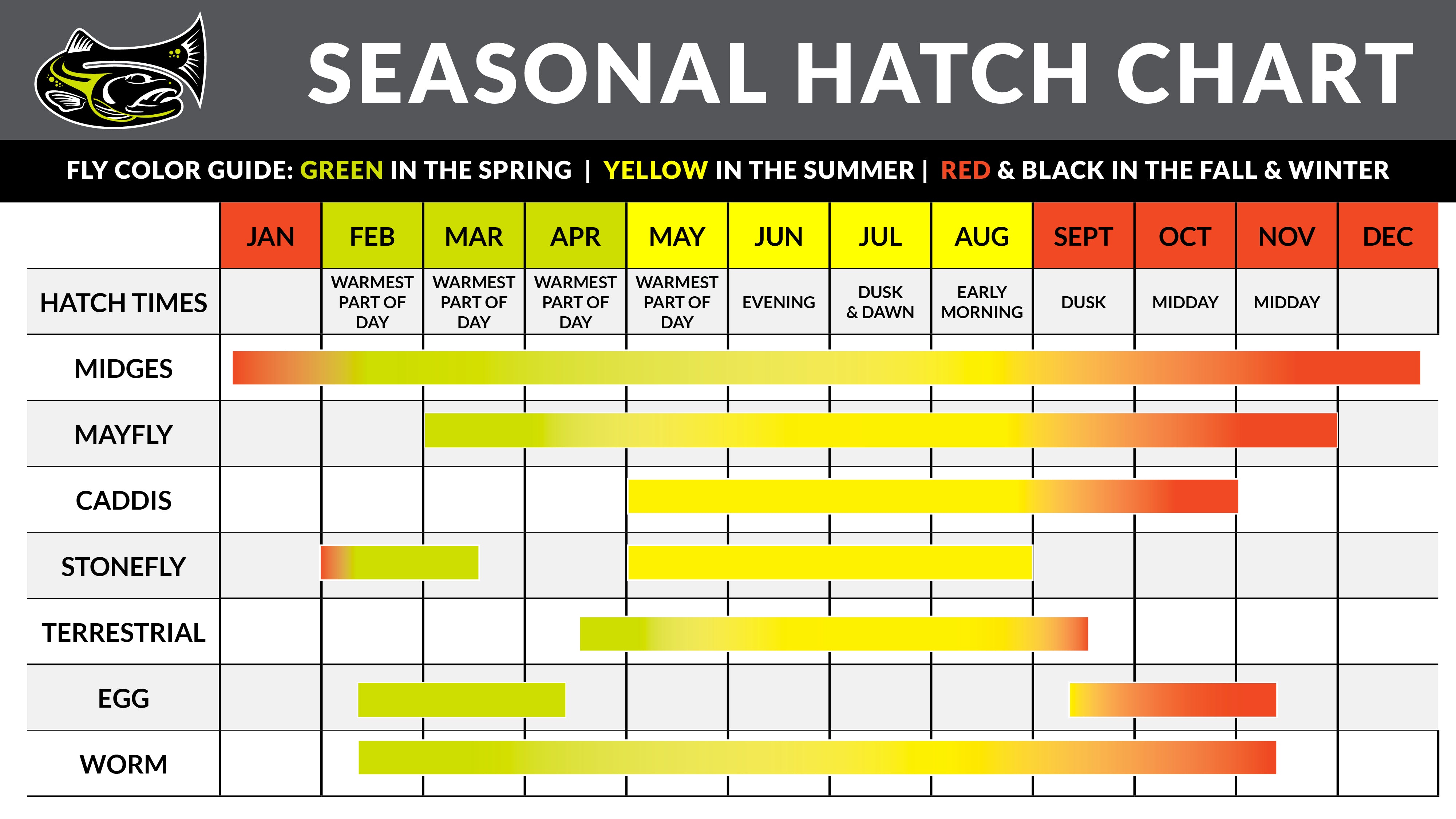
The best terrestrial fishing often occurs during the middle and later parts of summer, although the exact timing varies by region, elevation, weather, and water conditions. Early summer can produce terrestrial opportunities, but as temperatures rise and vegetation matures, the number of available land insects usually increases.
Rather than relying entirely on the calendar, pay attention to the riverbank.
If grasshoppers are jumping through tall grass, consider a hopper. If ants are crawling around overhanging vegetation or you notice tiny insects landing on the water, consider an ant. If you are fishing below trees or dense brush and trout are feeding close to the bank, a beetle can be an excellent choice. These simple observations form the foundation of effective terrestrial fishing.

Match the Fly to the Bank
The shoreline is often your best source of information. Tall grass and open meadows suggest hoppers. Trees and shrubs suggest beetles and ants. Dense weeds can support several different terrestrial insects.
If the river flows alongside a field filled with grasshoppers, a hopper should immediately enter the conversation. If the water runs beneath mature trees, a beetle or ant may make more sense.
This is especially useful when there is no obvious hatch. Instead of asking what aquatic insect is emerging, ask what insects are living around the water.
Pay Attention to Wind
Wind is one of the most important triggers for terrestrial fishing. A calm day can still produce excellent fishing, but moderate wind can increase the number of insects entering the water. Focus on banks that are exposed to the breeze, especially when the wind is blowing from vegetation toward the river.
This creates a natural delivery system. If you see grasshoppers being disturbed in the weeds, increase your confidence in a hopper. If the wind is moving through trees and brush, consider an ant or beetle.
Watch Water and Air Temperature
Hot weather can increase terrestrial activity, but extremely warm conditions can also change how trout behave. Fish may move toward shade, deeper water, or areas with better oxygen levels. That does not mean you should abandon terrestrials.
Instead, look for places where these conditions overlap. A shaded undercut bank with vegetation above it can provide trout with cooler water, cover, and a steady supply of insects. That combination is exactly what you want to find.

Core Hopper, Ant, and Beetle Patterns
You do not need an enormous terrestrial fly box. A small selection of reliable patterns in different sizes and colors can cover most summer situations.
The goal is to have enough variety to change your presentation when trout become selective without carrying dozens of nearly identical flies.
Hopper Patterns
Hoppers are usually the first terrestrial pattern anglers think about. Their large profile makes them easy for trout to locate and easy for anglers to see. For basic hopper fly fishing, start with proven patterns such as Dave’s Hopper, Chubby Chernobyl, and foam hopper variations.

Dave's Hopper provides a traditional grasshopper profile and works well around grassy banks. The Chubby Chernobyl offers excellent flotation and visibility, making it particularly useful when you want a durable hopper that can handle repeated casts.
A simple foam hopper is another excellent option because foam provides flotation while allowing you to create different body shapes and color combinations.
For size, #8–#12 is a useful starting range. Larger hoppers can be effective when natural grasshoppers are abundant, while smaller patterns can be useful when trout are seeing smaller insects or becoming selective. Tan, yellow, olive, and brown are reliable colors. Choose shades that resemble the natural insects around the water.
For a confidence pattern, Drifthook's Dropper Rigs Fly kit includes a hopper pattern that works well when grasshoppers are active along the bank. It provides the profile, visibility, and flotation needed for repeated summer presentations.
Ant Patterns
Ants require a more subtle approach. Unlike a large hopper, an ant typically lands quietly and sits low in the surface film. Your presentation should reflect that behavior.
For ant patterns for trout, useful choices include a Foam Ant, Parachute Ant, and traditional black or cinnamon ant patterns. Black is an excellent starting color, but cinnamon, brown, and reddish shades can also imitate common ants.

Sizes around #12–#18 provide a useful range. Larger ants can work when trout are aggressive, while smaller patterns become important in clear water when fish are inspecting the surface closely.
A foam ant is particularly practical because it combines a realistic profile with enough flotation to remain visible. Ants usually do not need much movement. A subtle twitch followed by a long pause can be more convincing than constantly moving the fly.
For a confidence pattern, a black or cinnamon foam ant is an excellent choice for fishing beneath brush, around grassy edges, or along quiet summer banks.
Beetle Patterns
Beetles are especially important on rivers with trees and shrubs close to the water. They can fall directly from overhanging vegetation, making the edges beneath trees natural feeding zones.
For beetle fly fishing techniques, start with a Foam Beetle, Hi-Vis Beetle, and simple black foam beetle patterns. Black is the classic beetle color, but brown, dark olive, and reddish-brown can provide useful alternatives. Sizes around #10–#16 cover a practical range for most situations.
A beetle should generally be presented more quietly than a hopper. Cast it close to the bank, allow it to sit naturally, and use only an occasional subtle twitch if the situation calls for movement.
For a confidence pattern, a black foam beetle is difficult to beat. It is simple, durable, buoyant, and closely resembles one of the terrestrial shapes trout regularly encounter.
Terrestrial Presentation Fundamentals
The fly itself is only half of terrestrial fishing. How the fly lands and moves can determine whether the trout sees it as food or immediately recognizes something is wrong.
One of the biggest differences between terrestrial fishing and traditional dry-fly fishing is the importance of the initial landing.
A hopper does not necessarily need to land delicately. A real grasshopper can hit the water with a noticeable splash. A hopper that lands with some authority can actually look more natural than one placed perfectly softly.
That is the plop versus delicate landing principle. Ants and beetles are different. These insects are smaller and generally create less disturbance when they fall onto the water. A quieter landing is usually more convincing. The fly should match the behavior of the real insect.

Keep the Drift Natural
Even though a hopper can land aggressively, it still needs a natural drift once it reaches the water. A fly that immediately skates across the current does not look like an insect that has fallen into the river.
Focus on keeping your fly moving at the same speed as the surrounding surface current. Use appropriate casting angles and mends to minimize drag. For more help controlling your presentation, read our guide to dry fly casting and mending for better drag-free drifts.
This becomes especially important when fishing close to the bank because current speeds can change quickly around rocks, grass, roots, and undercut edges.
Fish Close to the Bank
One of the most common mistakes with terrestrial fishing is casting too far. Trout often expect terrestrial insects to enter the water close to shore. That means your best cast may be only 10 or 20 feet.
Instead of immediately casting toward the middle of the river, work the edges first. Look for grass, undercut banks, exposed roots, logs, and overhanging vegetation. These are natural terrestrial entry points.
A short, accurate cast can be far more productive than a long cast that puts your fly outside the feeding lane.
Add a Small Twitch
A terrestrial does not always need to remain perfectly still. A small twitch can imitate the struggling movement of an insect and attract the attention of a nearby trout.
Hoppers can tolerate more movement. You can allow the fly to drift, give it a small twitch, and then let it settle again.
With ants and beetles, keep the movement much more subtle. The goal is to suggest life without making the fly appear to be swimming.
How to Fish Hoppers and Ants
Learning how to fish hoppers and ants starts with understanding their different behavior. A hopper can be cast tight to the bank and allowed to drift through a feeding lane. A small twitch can imitate the movement of a struggling grasshopper.
An ant usually benefits from a quieter presentation. Cast it near overhanging vegetation and allow it to sit naturally. If you see a trout inspect it without eating, a very small twitch can sometimes trigger the take.
The common mistake is moving the fly too much. Real terrestrials often spend more time drifting or sitting still than they do actively moving across the water.
Water Types That Shine With Terrestrials
Terrestrials work best where the surrounding landscape provides a reliable source of land insects. Undercut banks, grassy edges, log jams, foam lines, and overhanging trees are all worth exploring.
Undercut Banks
Undercut banks provide shade, protection, and deeper water while also sitting directly beneath vegetation. A trout can hold beneath an undercut and wait for food to arrive.
A hopper drifting along the edge can look like an easy meal. Approach these areas carefully because trout may be extremely close to the bank. Make your first cast before walking directly beside the structure.

Grassy Edges
Grassy banks are among the best places for hopper fishing. Tall grass provides a habitat for grasshoppers, and insects that jump or fall toward the river can enter the current directly along the edge.
When summer bank fishing with terrestrials, prioritize sections where tall vegetation grows close to the water. A hopper cast just inches from the grass can be more convincing than one placed several feet into the river.
Log Jams and Overhanging Trees
Trees and log jams are excellent locations for beetles and ants. Beetles can fall from branches directly into the water. Ants can be blown from vegetation and land along the bank. These areas can be difficult to cast because branches create obstacles, but accuracy is more important than distance.
A short sidearm cast or roll cast may allow you to reach water that would be impossible to approach with a traditional overhead cast.

Foam Lines
Foam lines can collect floating insects and concentrate surface food. If a terrestrial enters the current upstream, it may eventually become trapped along a foam line. When you see trout feeding around foam near a vegetated bank, consider placing your terrestrial upstream and allowing it to drift naturally toward the feeding lane.
A Small-Stream Terrestrial Scenario
Imagine a small summer stream flowing through a meadow. The water is low and clear, and grasshoppers are jumping through vegetation along the bank.
Trout are holding beneath small undercuts and beside submerged grass. This is an ideal hopper situation. Instead of standing directly at the edge and casting across the entire stream, stay several feet back and work upstream.
Start with a size #10 or #12 hopper in tan, olive, or brown. Make short casts toward the grassy edge and allow the fly to drift naturally along the bank.
Because the stream is small, the fly may only need to travel 10–20 feet before you pick it up and make another presentation. Here, accuracy and stealth matter much more than casting distance.
A Larger-River Terrestrial Scenario
Now imagine a larger river bordered by mature trees. There is no major aquatic insect hatch, but a light breeze is moving through the branches. The bank is shaded, and trout are occasionally rising tight against the edge.
This is a good situation for a beetle or ant. A large hopper might work, but the surrounding environment suggests smaller insects are likely entering the water from the trees. Position yourself so you can cast parallel to the bank. Place a black beetle close to the vegetation and allow it to drift through the shaded edge.
If you see a rise but cannot identify what the trout ate, resist the urge to immediately change flies. Make several careful casts through the same lane. The trout may already be telling you exactly where it wants to feed.

How to Choose the Right Terrestrial
Choosing between a hopper, ant, and beetle does not have to be complicated. If grasshoppers are abundant and the river runs beside tall grass, start with a hopper.
If you are fishing beneath trees or dense brush and want a smaller, quieter presentation, try a beetle. If you are seeing tiny insects around vegetation or trout are refusing larger terrestrials, downsize to an ant.
This simple decision-making process can make when to use beetle patterns much easier to understand. You should also consider water conditions.
In fast or broken water, a larger hopper can be easier for you to see and easier for a trout to locate. In calm, clear water, smaller ants and beetles may produce a more convincing presentation. If trout follow a large terrestrial without eating, try downsizing rather than immediately abandoning the terrestrial approach.

The Best Terrestrial Flies for Trout
The best terrestrial flies for trout are not necessarily the most complicated patterns in your box. They are the patterns that give you a convincing profile, reliable flotation, and the ability to present them naturally.
A few hoppers in different sizes, several ant patterns, and a handful of beetles can cover a remarkable range of summer conditions.
- Your fly selection should reflect the environment around the river.
- Tall grass means hoppers.
- Trees and brush suggest beetles and ants.
- Clear water may call for smaller, more subtle patterns.
- Fast water may favor larger, more visible flies.
- The more you observe the landscape, the less you need to guess.
If you want to strengthen the rest of your surface game, our complete guide to dry fly fishing for trout covers fly selection, rigging, presentation, and matching the hatch.

Read the Bank Before You Cast
Effective terrestrial fishing starts before the first cast. Look at the vegetation. Watch the wind. Check the water. Search for insects along the bank. Look for trout holding beneath structure.
Then choose the fly that makes the most sense. This approach is far more reliable than simply tying on a hopper because it is summer. The river is constantly giving you information. Use it. If grasshoppers are active, imitate them. If beetles are falling from trees, fish a beetle. If ants are present around the vegetation, give an ant a chance.
And if you see no obvious insect activity, do not assume terrestrials will fail. Trout may still be accustomed to these insects and willing to take one when it is presented correctly.
When to Change Your Terrestrial
Sometimes the fly is right, but the presentation is wrong. If a trout follows your hopper without eating, let the fly sit longer and check whether drag is pulling it unnaturally. Allow the fly to sit longer and check whether drag is pulling it unnaturally.
If trout refuses the hopper immediately, try a smaller hopper or switch to an ant or beetle. If the trout rises toward the fly but turns away at the last second, consider downsizing or changing the color. If you see trout feeding close to a tree-lined bank but cannot get a response from a hopper, a smaller beetle may better match what is actually falling from the vegetation.
Change one variable at a time when possible. That way, you learn what the trout are responding to instead of simply cycling through flies.
Build Your Summer Terrestrial Box
A dedicated summer terrestrial box does not need to be large. Start with a few hopper patterns in sizes #8–#12, particularly in tan, yellow, olive, and brown. Add ant patterns in #12–#18, with black and cinnamon as dependable starting colors.
Then add beetles in #10–#16, focusing on black, brown, and dark olive. This gives you a simple selection that covers most situations.
A Terrestrial / Hopper Assortment, when available, can make building this selection easier. When trout shift away from terrestrials and back toward an aquatic hatch, the Life Cycle Fly Assortments give you mayfly, caddis, stonefly, and midge patterns covering multiple stages of the hatch.
When Trout Start Looking Toward the Banks
The appeal of terrestrial fishing is its simplicity. You do not always need to identify a tiny insect or match a complicated hatch. Sometimes the answer is sitting in the grass beside you. Hoppers, ants, and beetles become trout food when they fall into the water. Your job is to make your artificial fly behave like the real thing.
That means understanding the environment, choosing the right pattern, presenting it at the right distance, and managing the drift. Terrestrial fly fishing for trout becomes especially exciting because the takes can be visual and aggressive. You may watch a trout rise from beneath an undercut bank, turn toward a hopper, and disappear beneath the surface.
Other times, the take is subtle. An ant disappears. A beetle pauses and sinks. Your fly line moves slightly. That is part of what makes terrestrial fishing so rewarding.

About the Author
This guide was written by Matthew Bernhardt, a Colorado-based angler with over 35 years of experience fishing Western rivers, including the Colorado, Arkansas, and Blue River. He founded and has owned Drifthook Fly Fishing since 2015.
Matthew has spent decades fishing through changing river conditions and seasonal trout patterns, including summer terrestrial fishing with hoppers, ants, and beetles. He focuses on helping anglers read the water, choose the right fly, and fish more effectively.